Crew: Tunch and Geoff.
The plan was to sail Halo to Nelson in company with three other Evans Bay boats — Grenadier, Tamerlane, and Expresso — to compete in the 2026 Nelson Regatta and to explore Pelorus Sound along the way.
After watching the forecasts closely over several days, Phil, Rob, Bill and I agreed that Thursday 8 January offered an acceptable weather window for the Cook Strait crossing.
MetService: Northerly 20 knots easing to variable 10 knots in the morning, then northerly 14 knots developing late afternoon and rising to 25 knots overnight.
PredictWind: Also looking good.
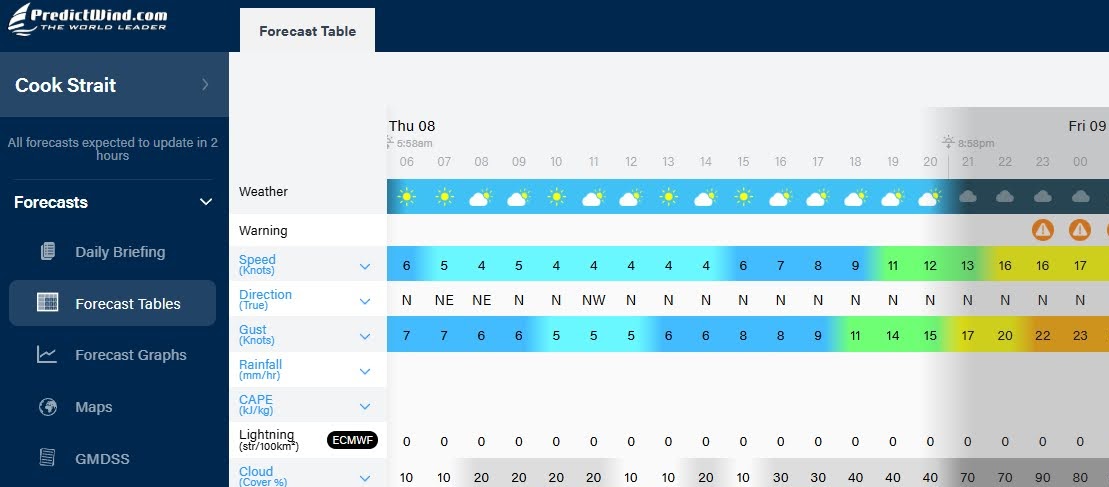
Day 1 Wellington to Annies Bay – 8 Jan
Tunch flew down from Auckland the previous day and, with the multitude of boat preparations ticked off and Halo well stocked with provisions, we were ready.
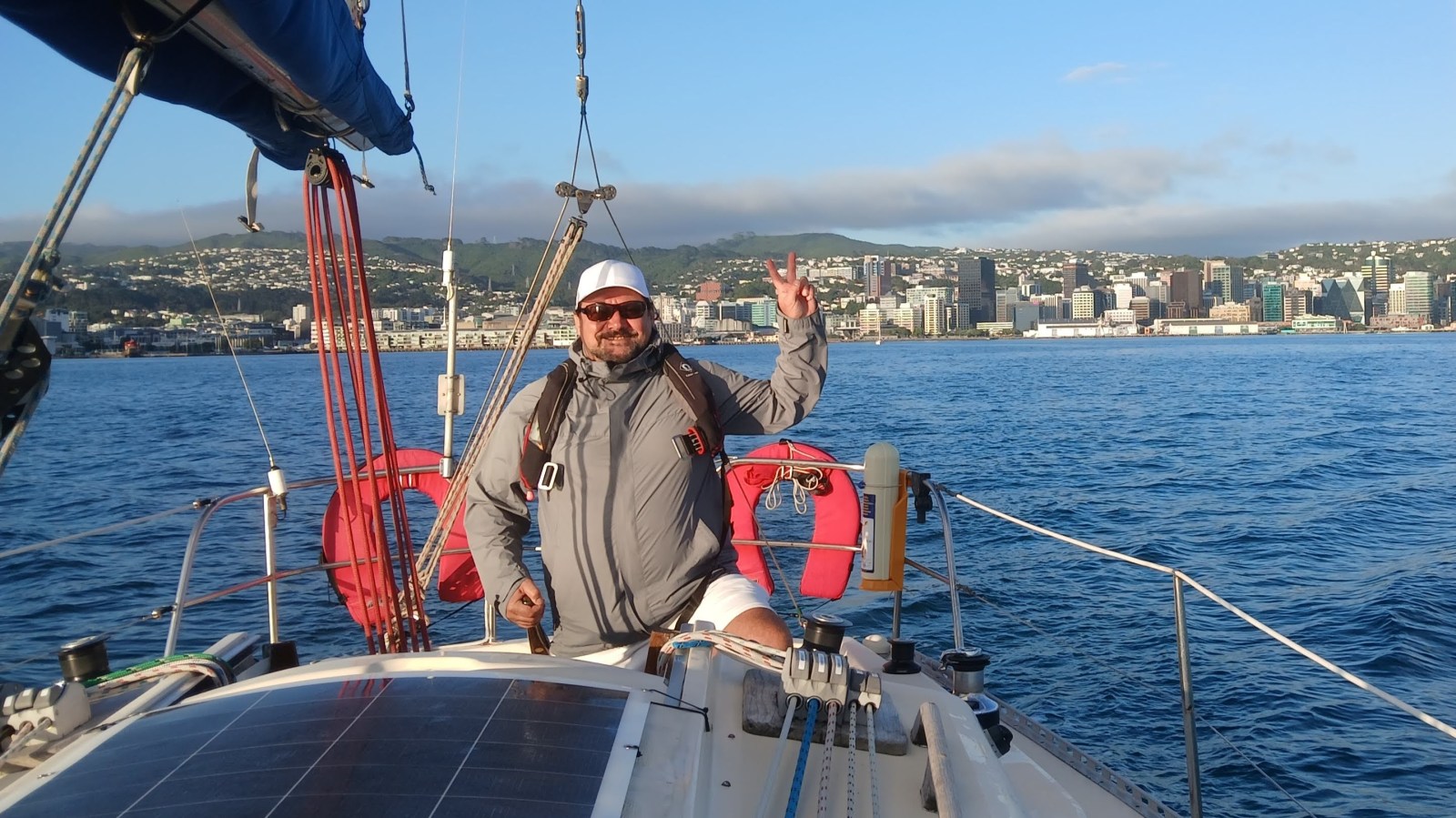
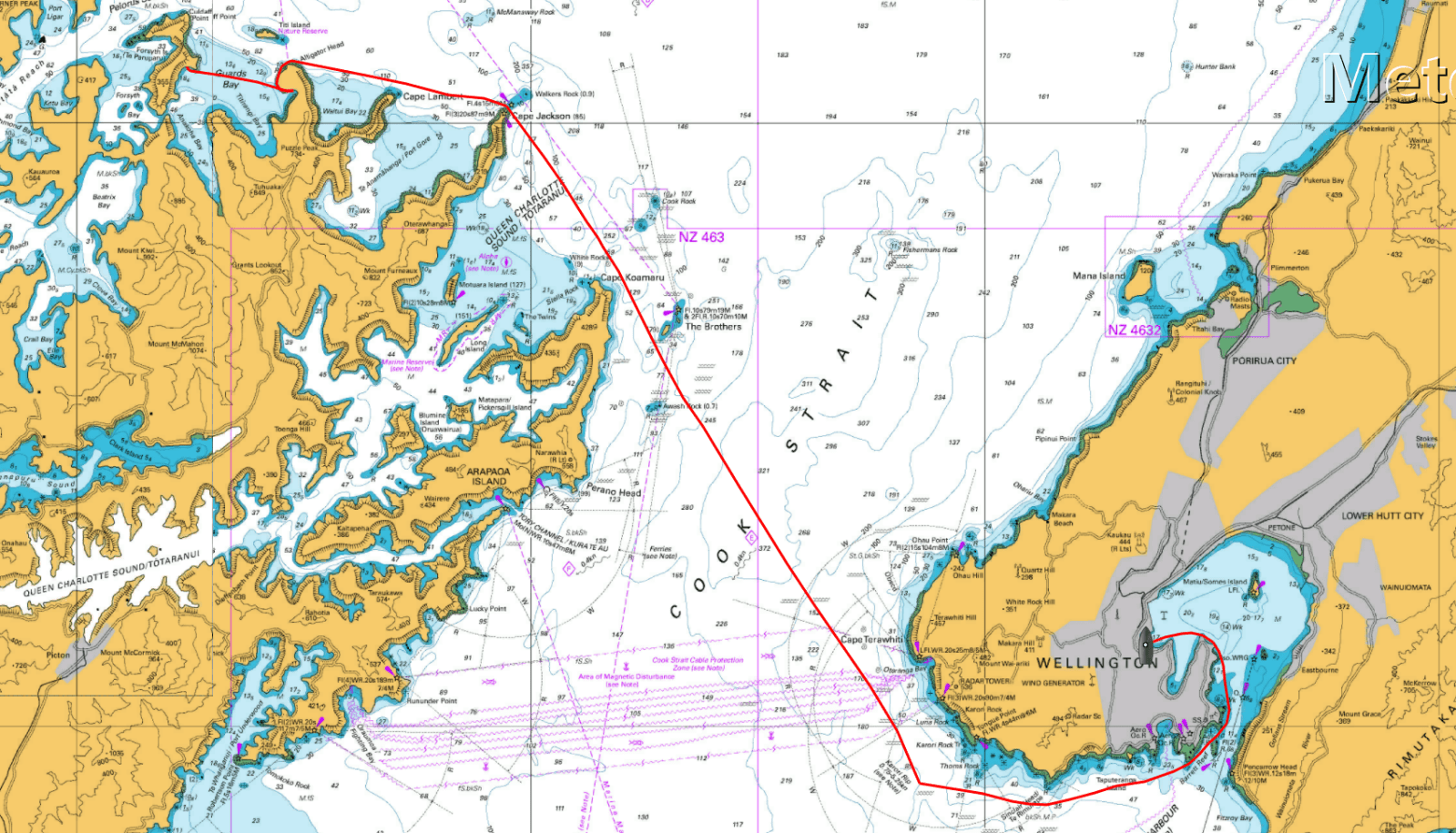
It was a beautiful morning as we set off at 0700 hrs, timing our departure to catch the tide for a favourable current across Cook Strait. We joined company with Grenadier, Tamerlane and Expresso as we rounded Point Halswell, then motor-sailed down through Chaffers Passage with a light northerly on our stern.
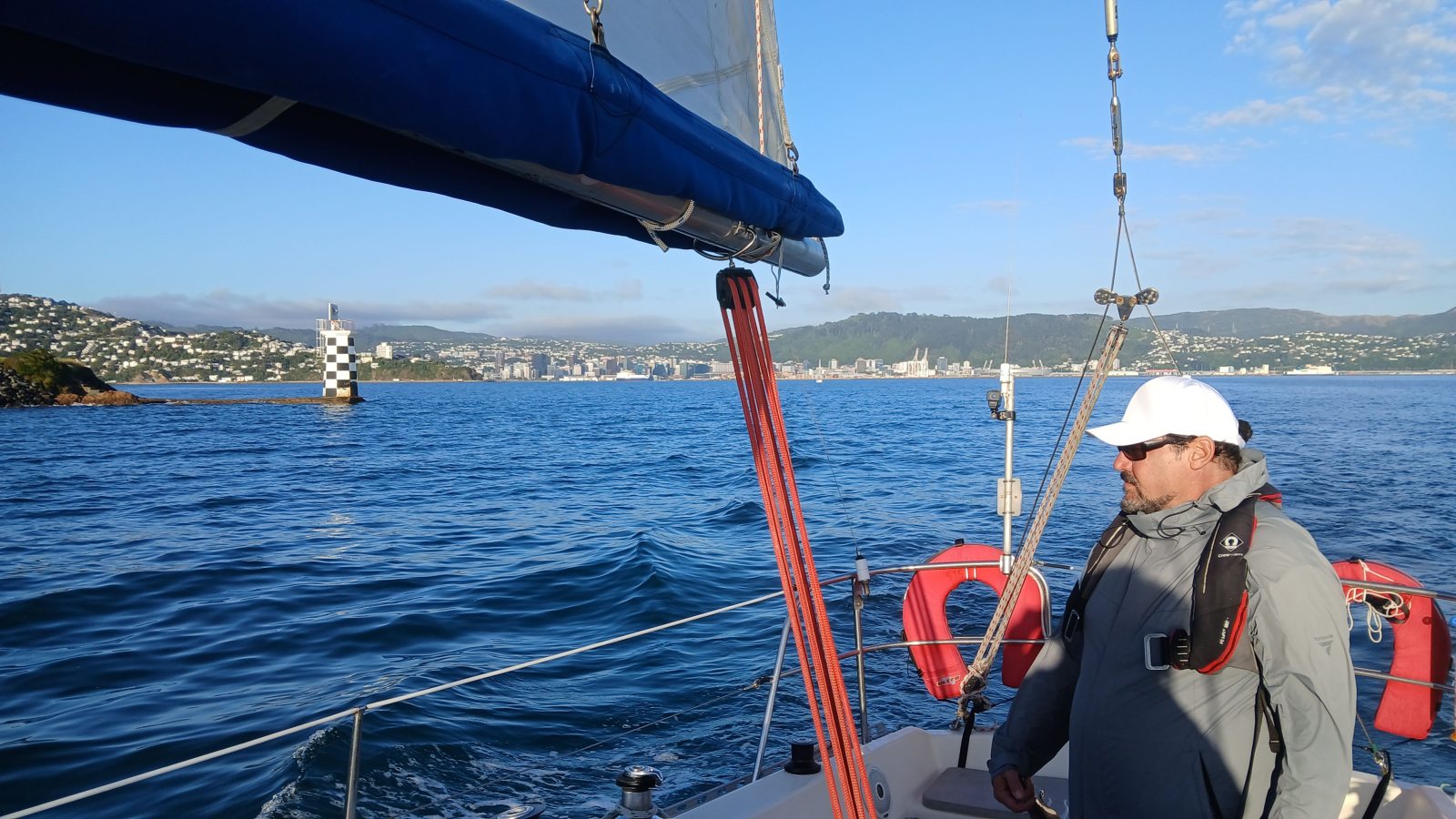
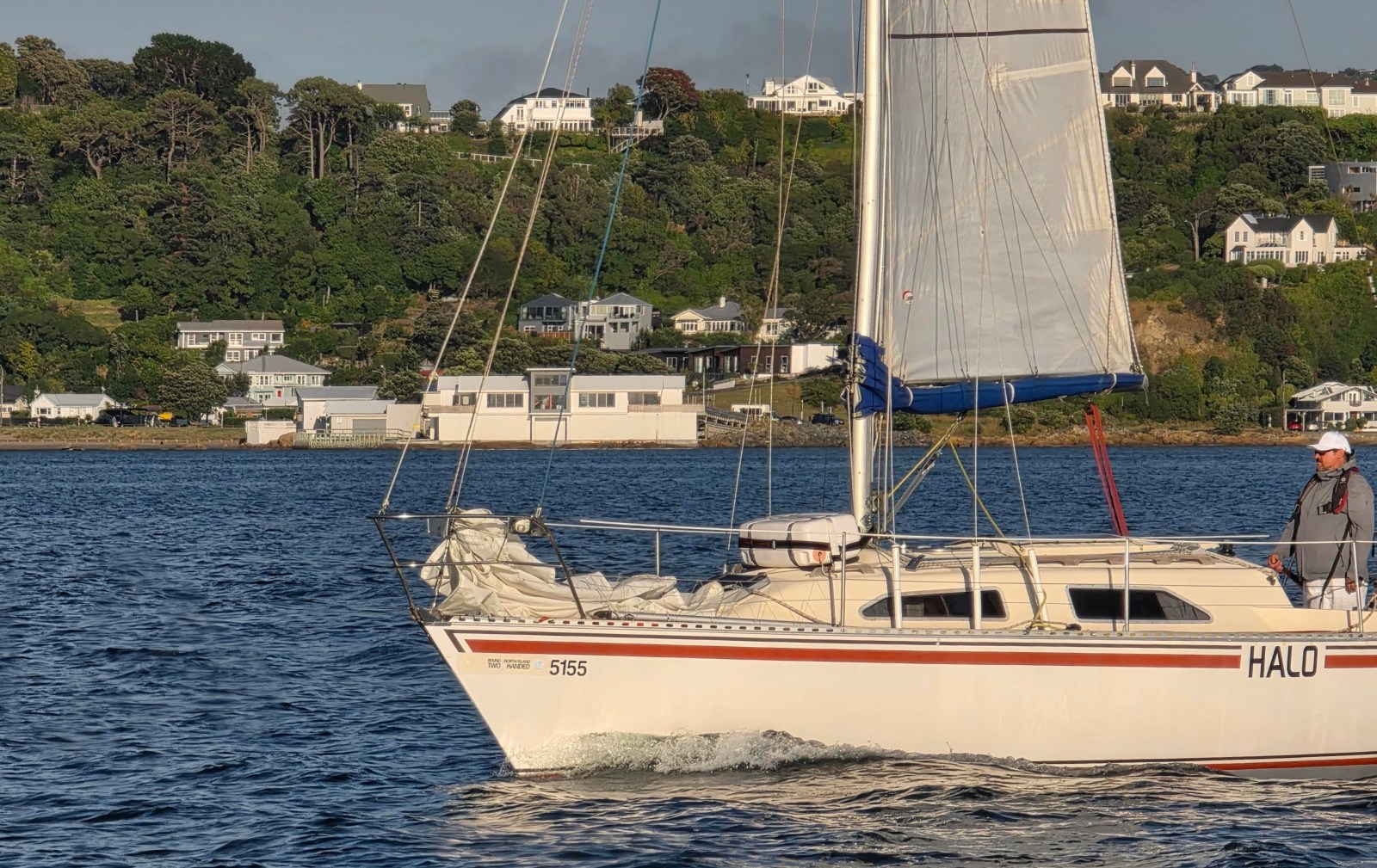
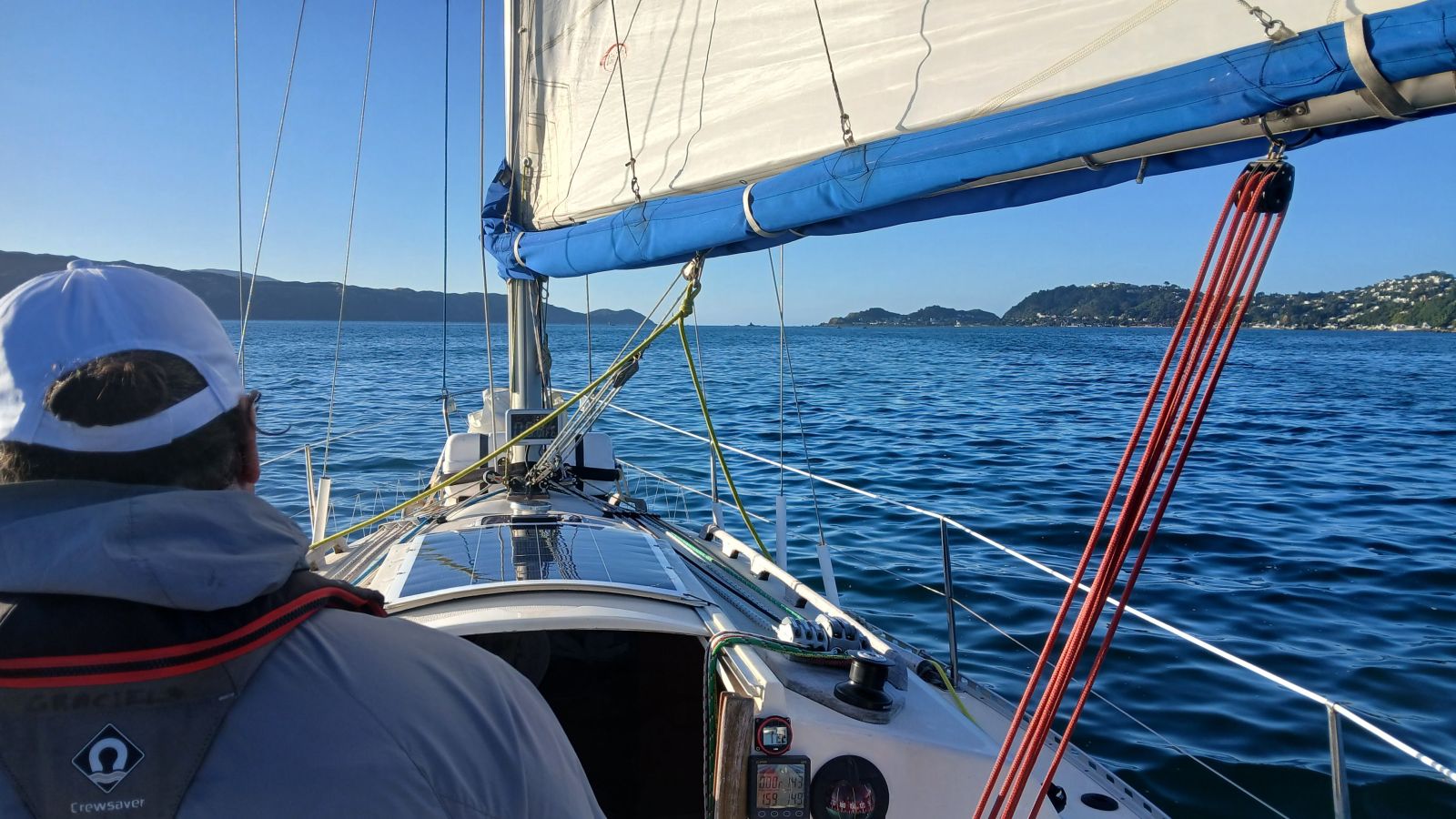
Turning west past the Atatürk Memorial above Tarakena Bay, we hoisted the No. 3 jib with a full main and sailed past Lyall Bay and Island Bay. After passing Sinclair Head we entered the infamous Karori Rip, living up to its “washing machine” reputation.
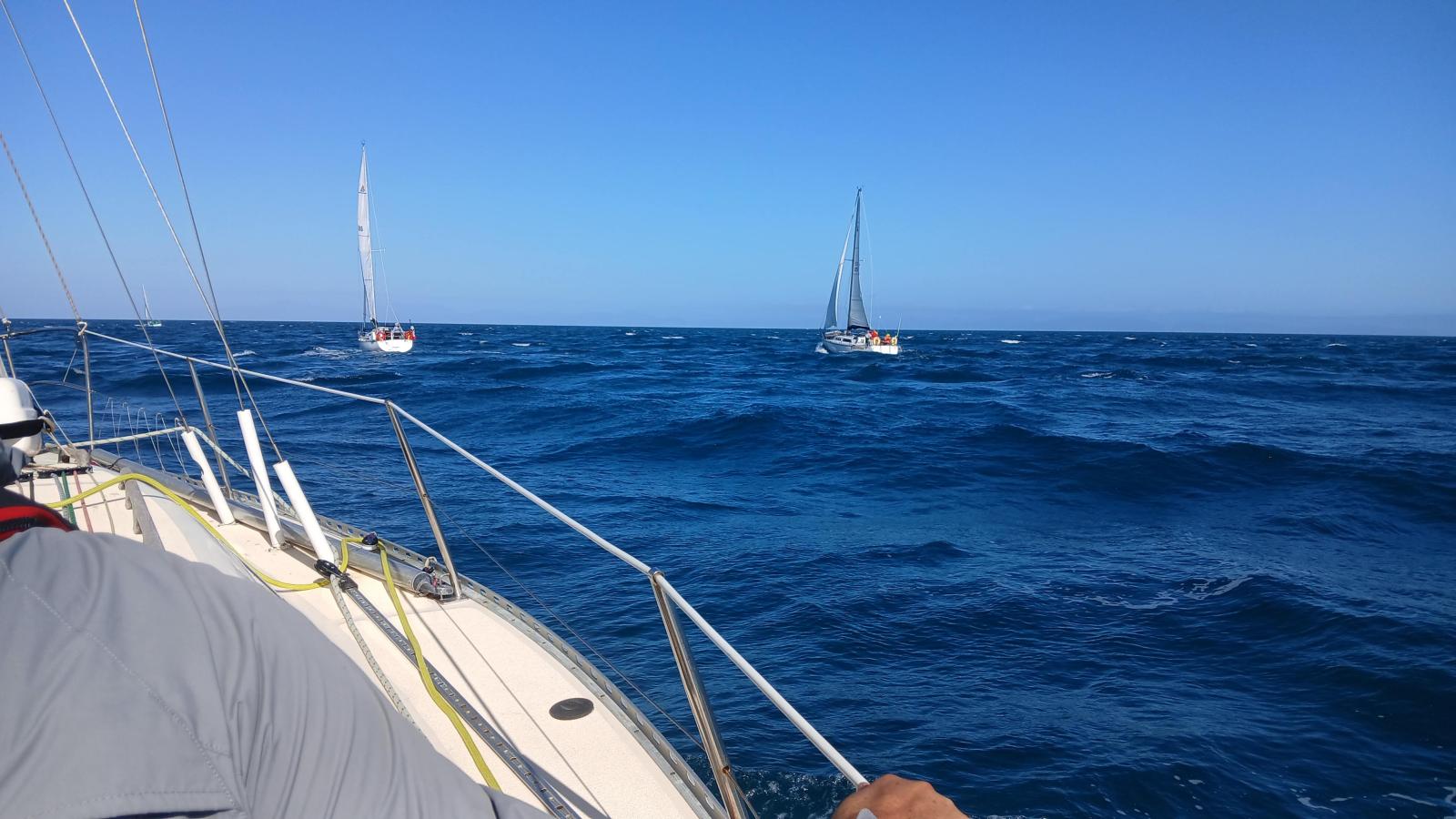
Once clear of the rip the wind eased. With a slight breeze on the nose, we dropped the jib and motor-sailed on a direct north-west bearing toward Cape Koamaru.
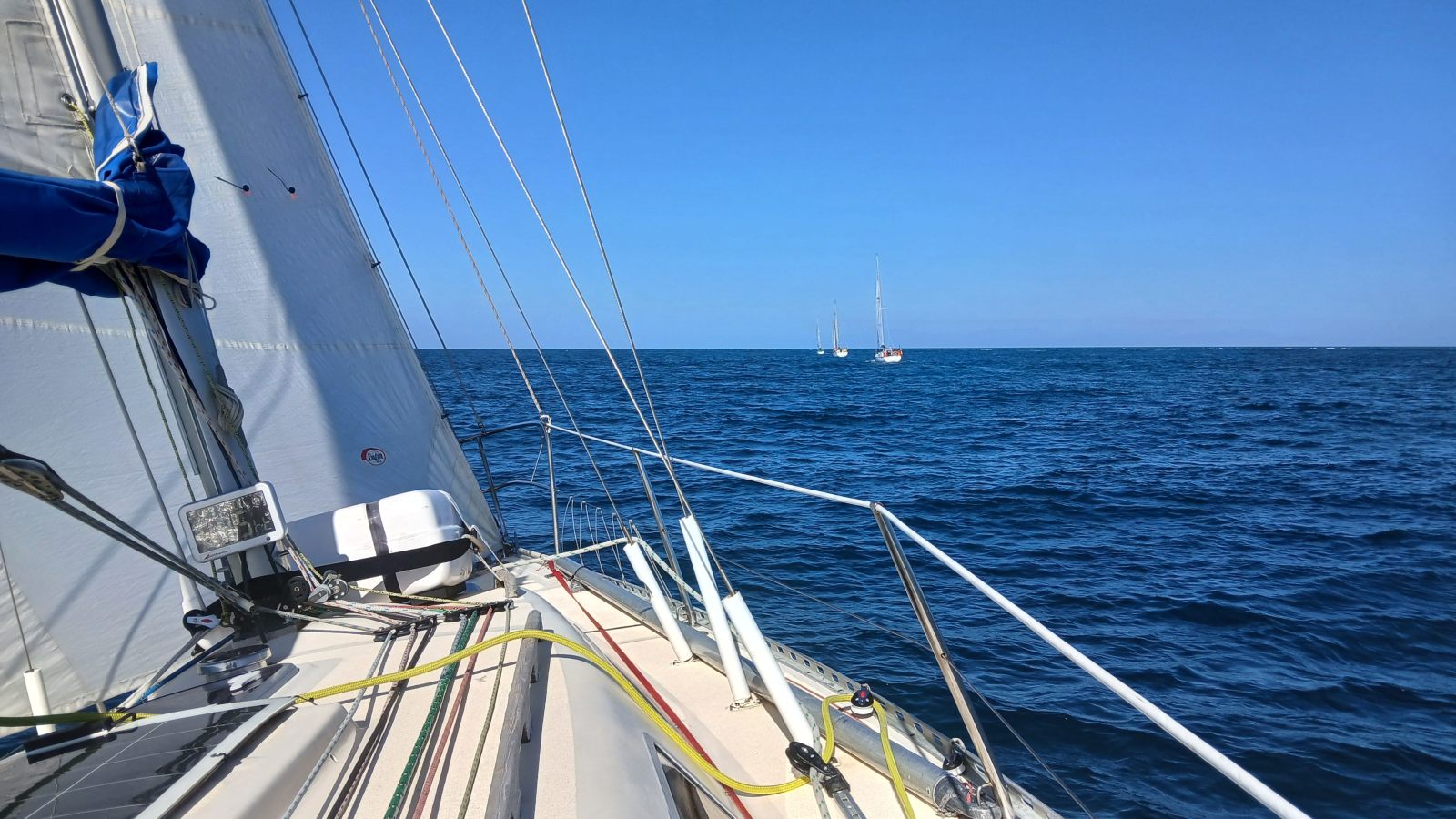
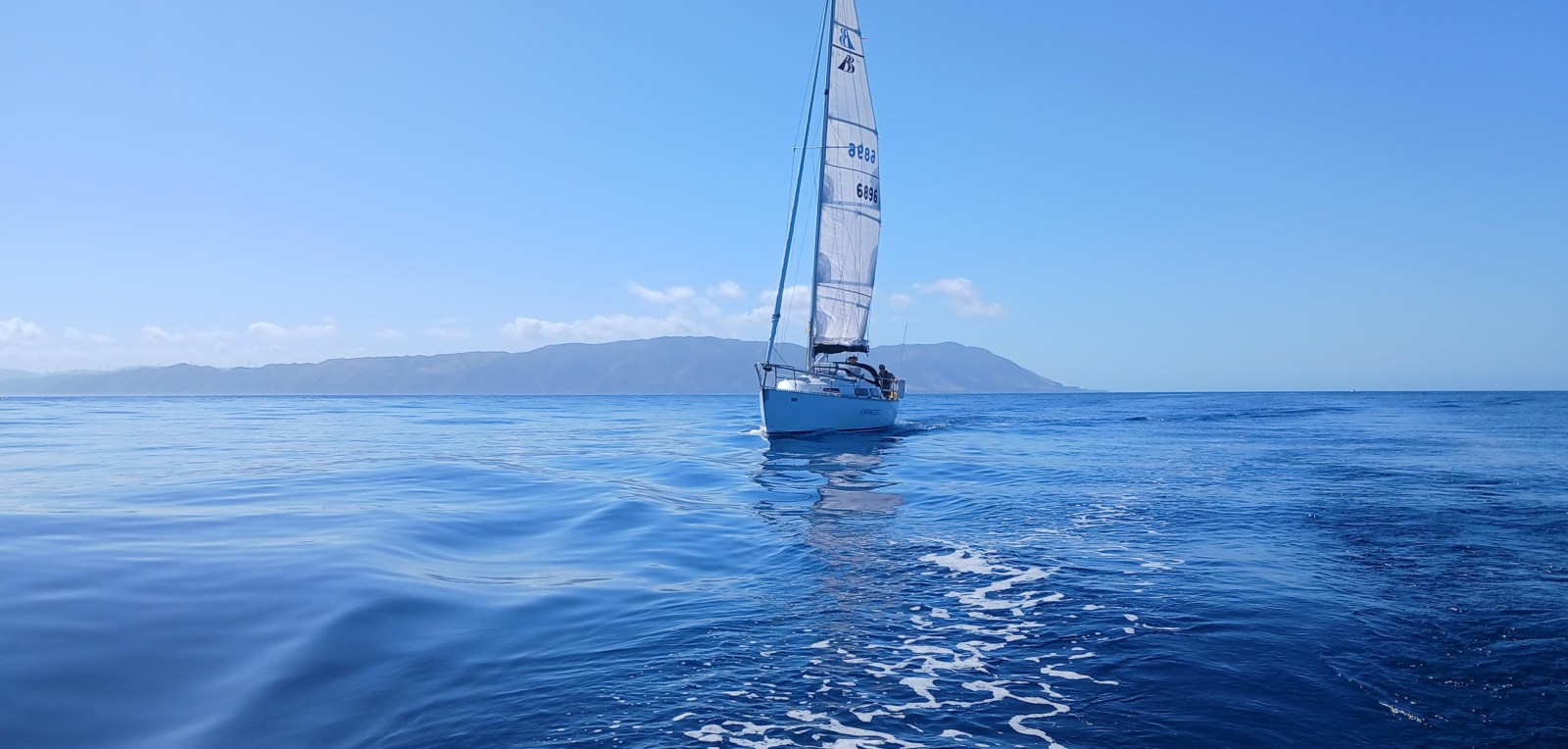
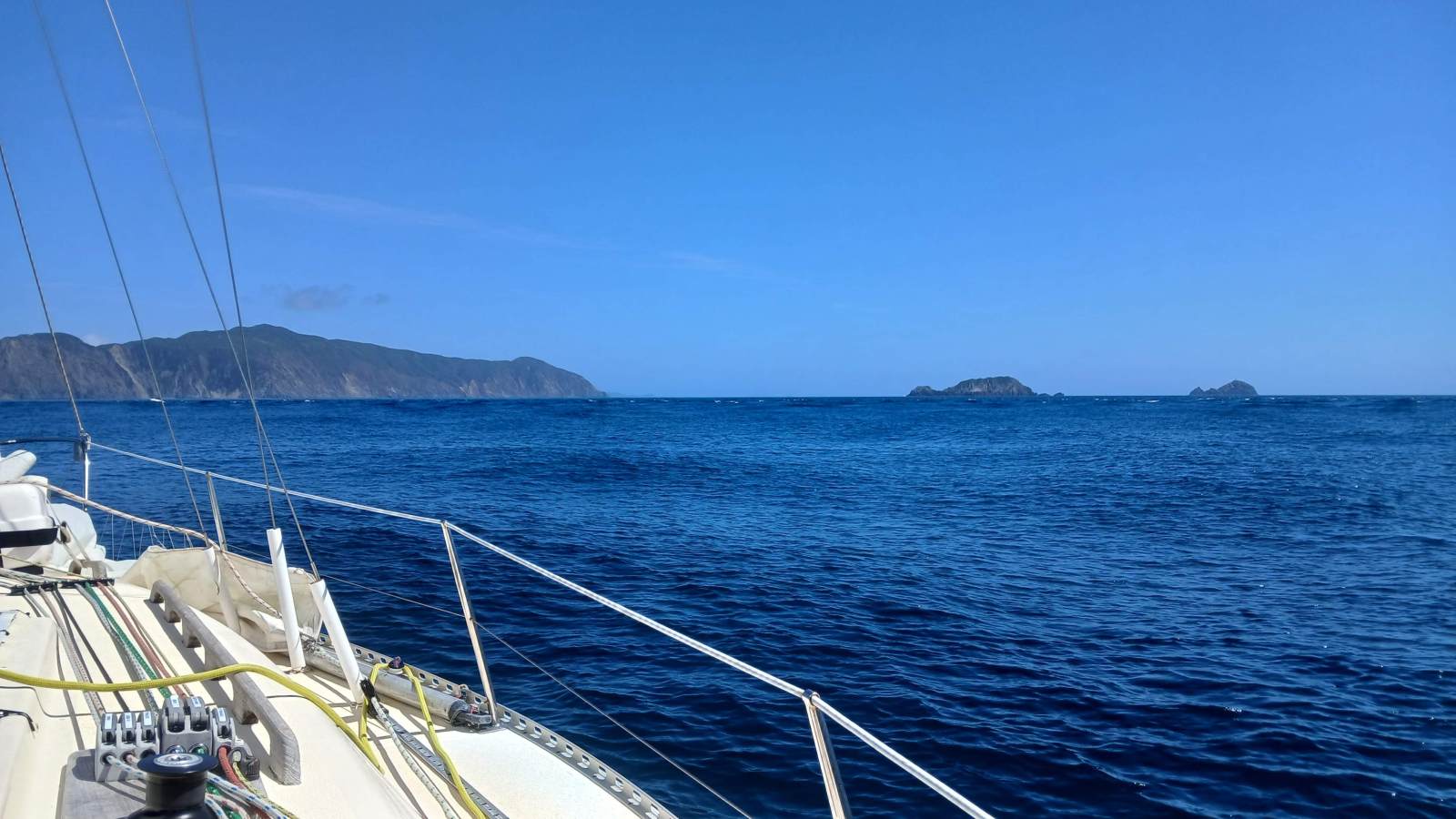
The sea state became rather rough as we passed through the gap between The Brothers and Cape Koamaru around 1200 hrs.
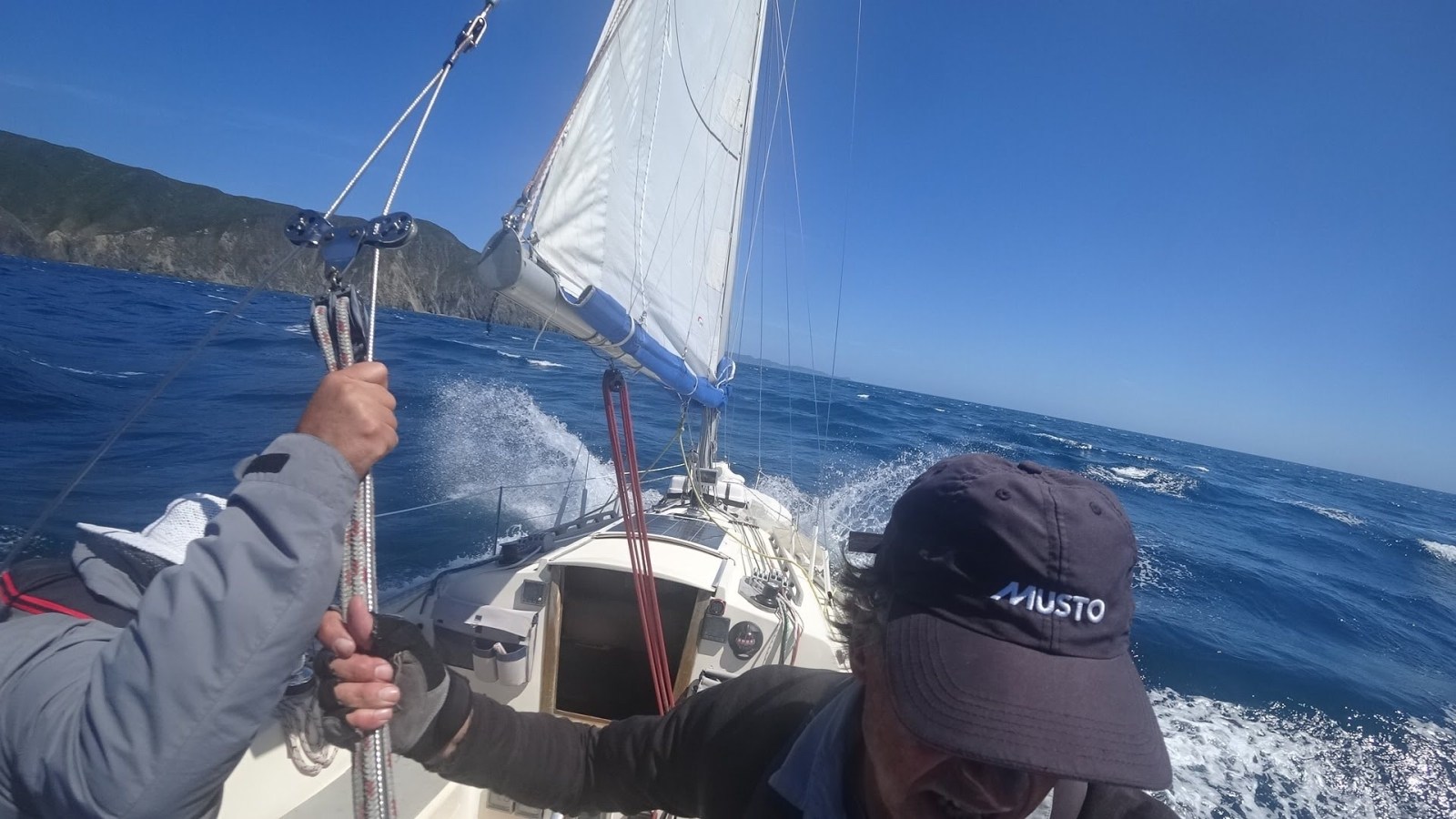
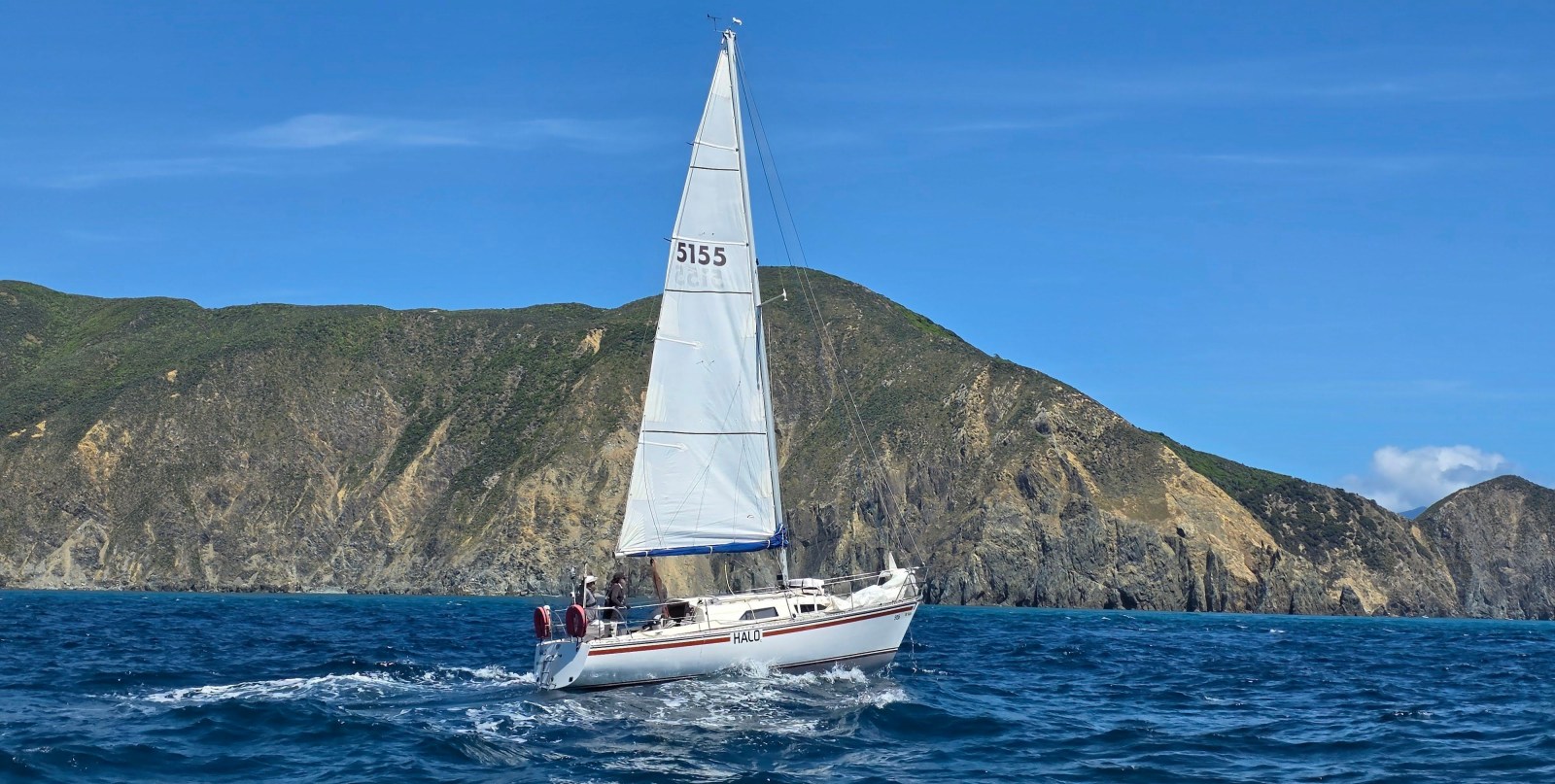
Still with little wind, we continued motor-sailing across the top of Queen Charlotte Sound.
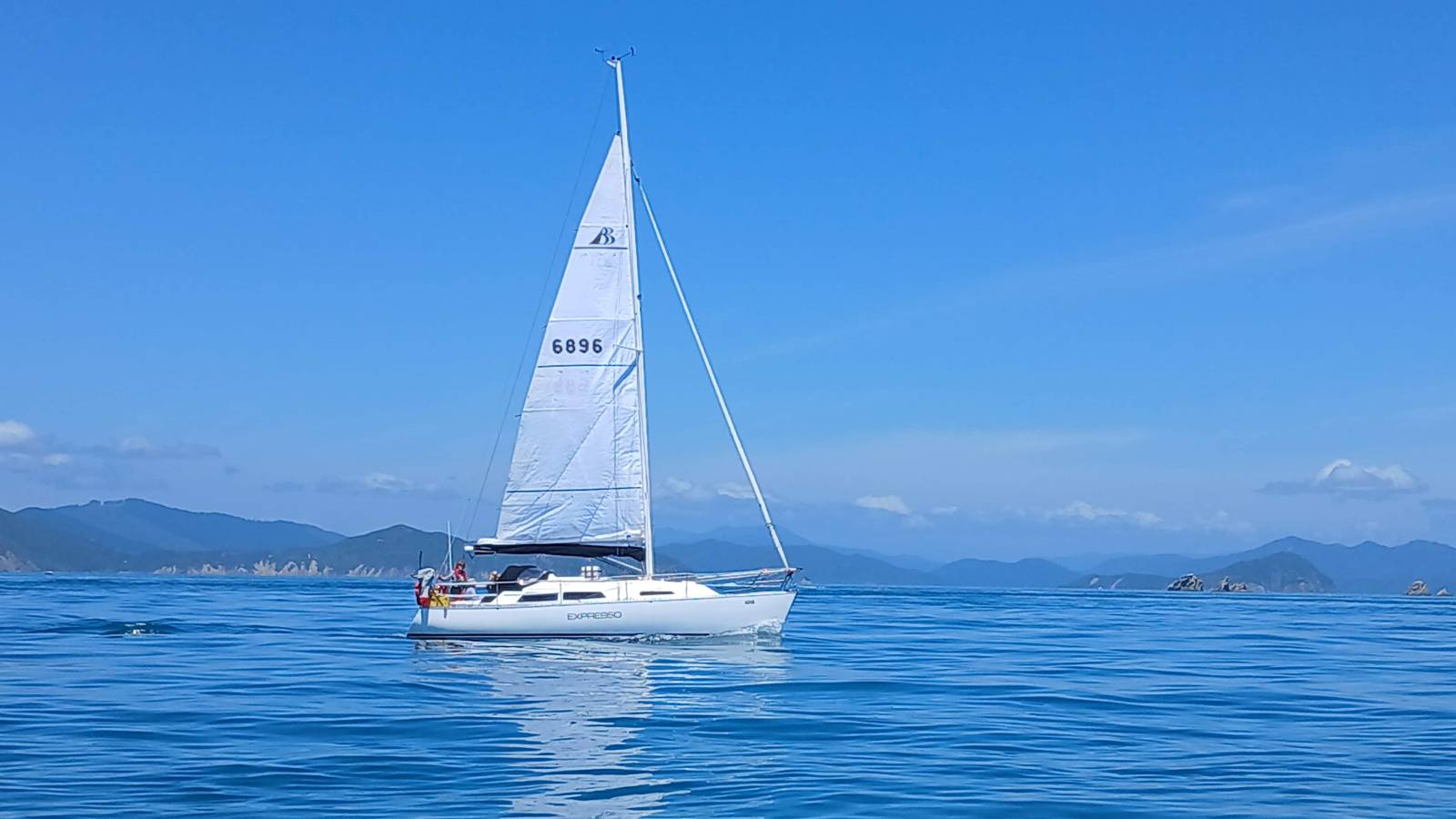
At 1306 hrs we transited Cape Jackson in calm conditions.
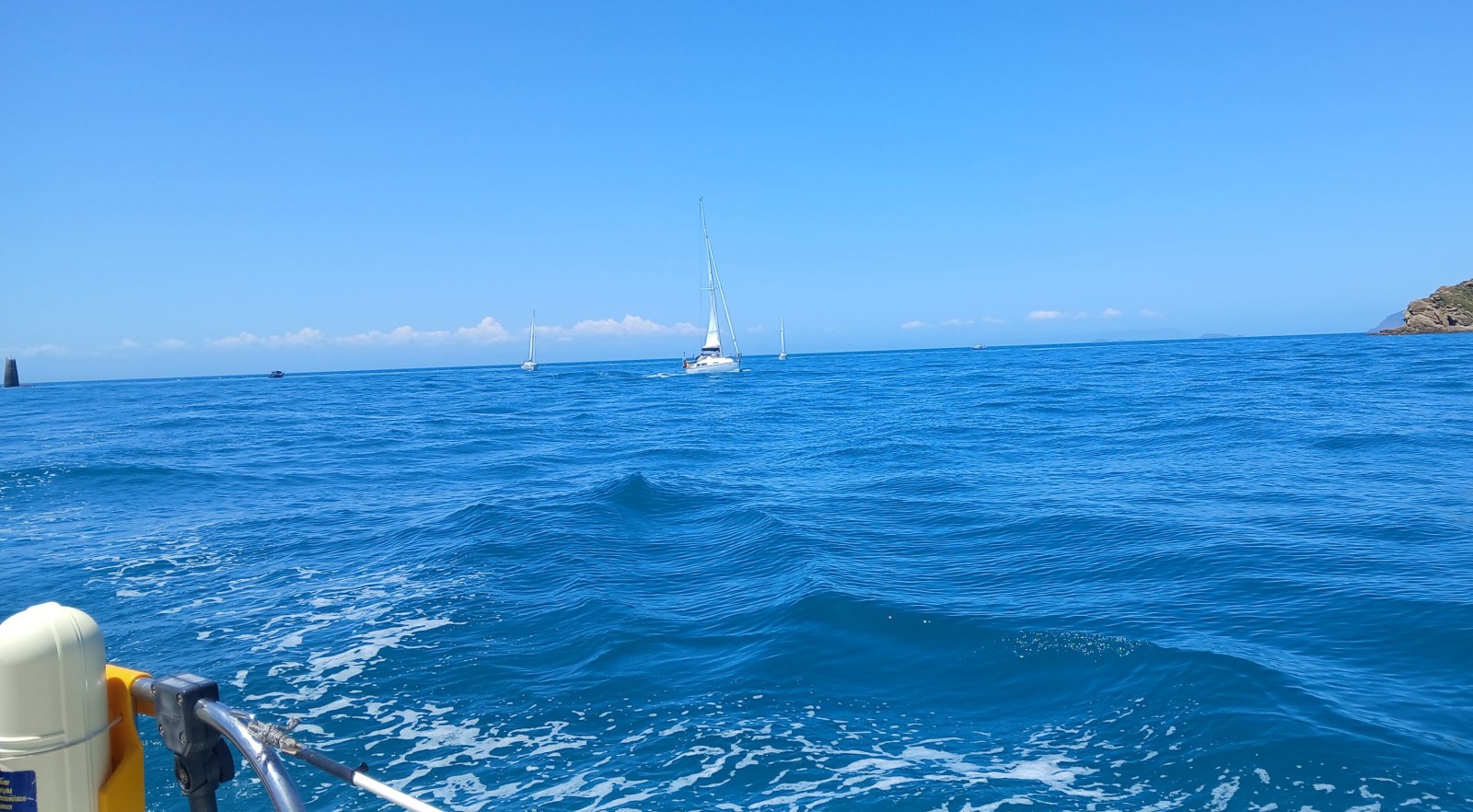
We then passed Cape Lambert and rounded Alligator Head, aiming for Punt Rails where we hoped to use the club mooring.
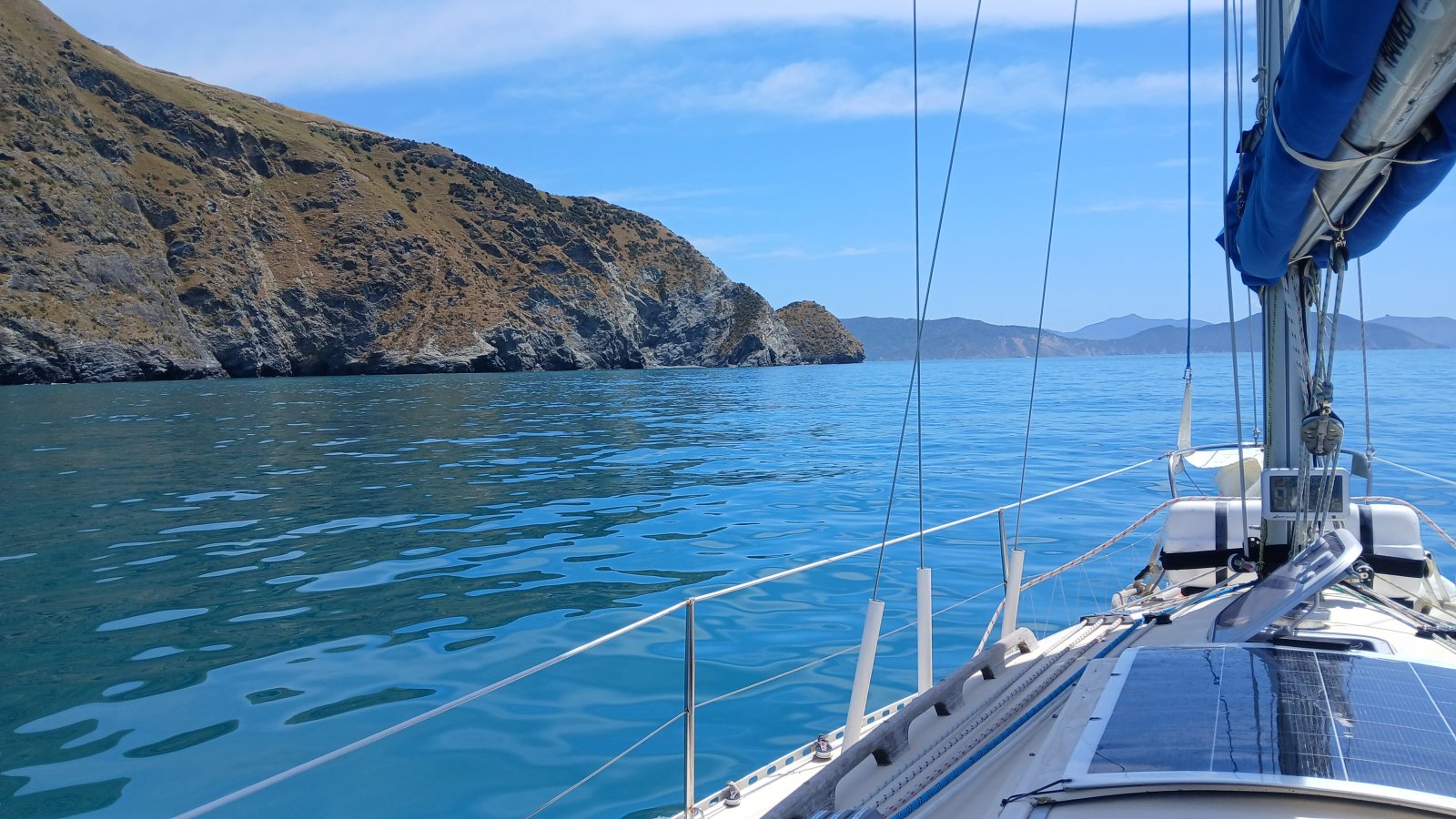
Unfortunately, the mooring was occupied by a rather large launch. When we asked about rafting up, the skipper explained another big boat was due to arrive, though we were welcome to join them. Instead, we decided to cross Guards Bay to another mooring at Annie’s Bay, which promised better shelter from the northerly forecast overnight.
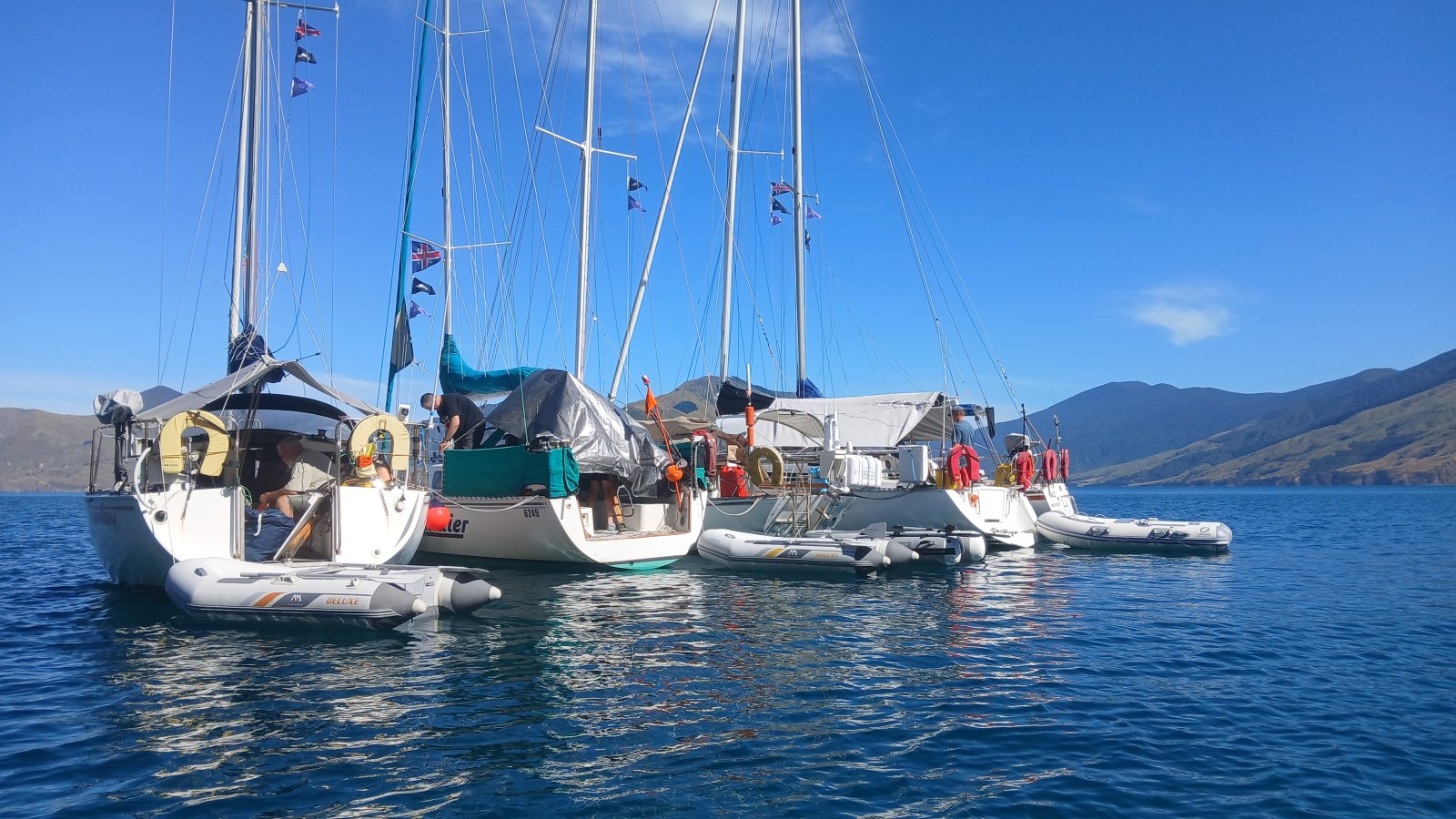
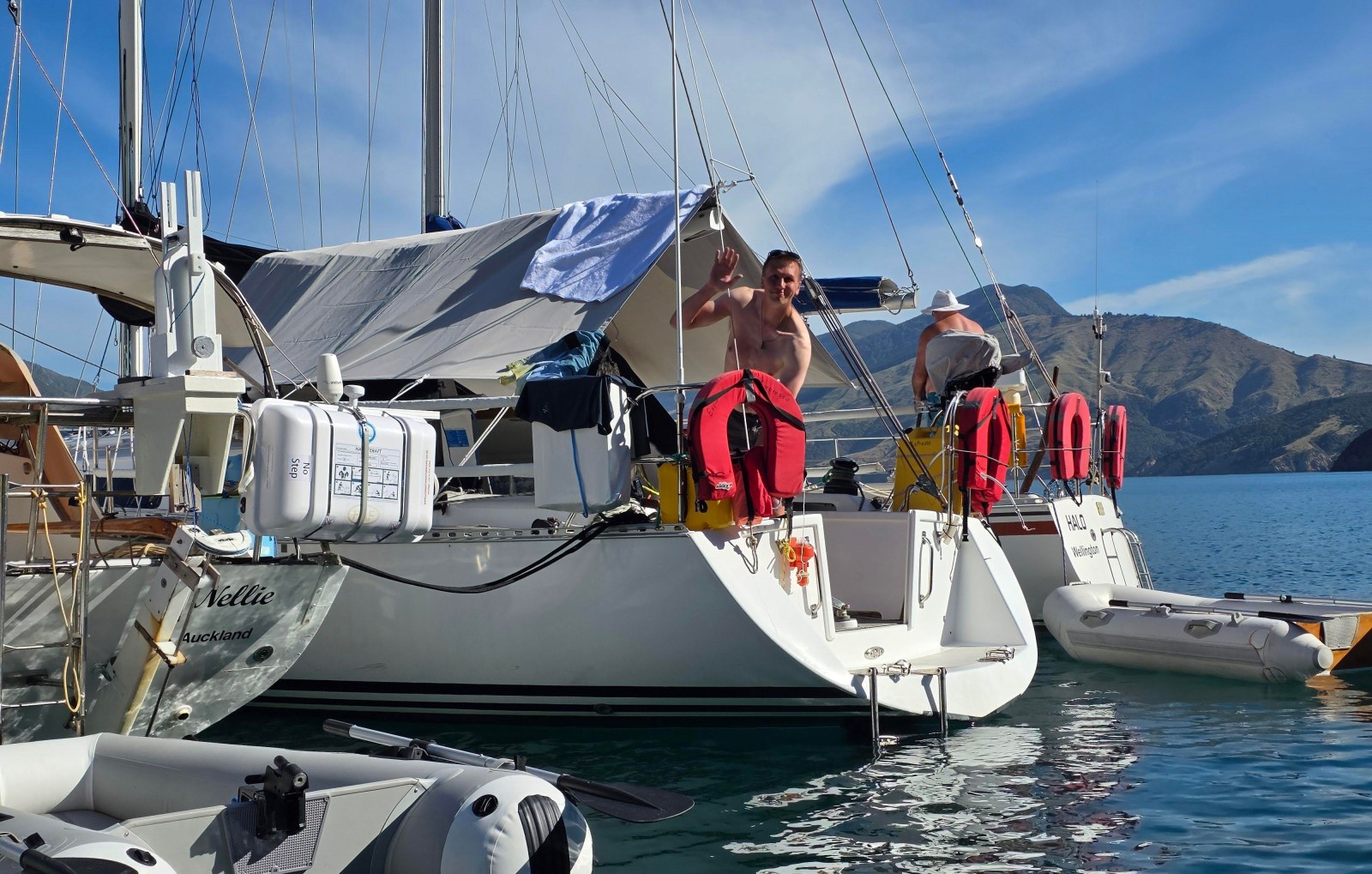
We arrived at 1545 hrs to find the yacht Nellie already on the mooring; the skipper was happy for us to raft up. Once securely tied together, we enjoyed a relaxing evening — swims, dinner, and the satisfaction of a long day well sailed.
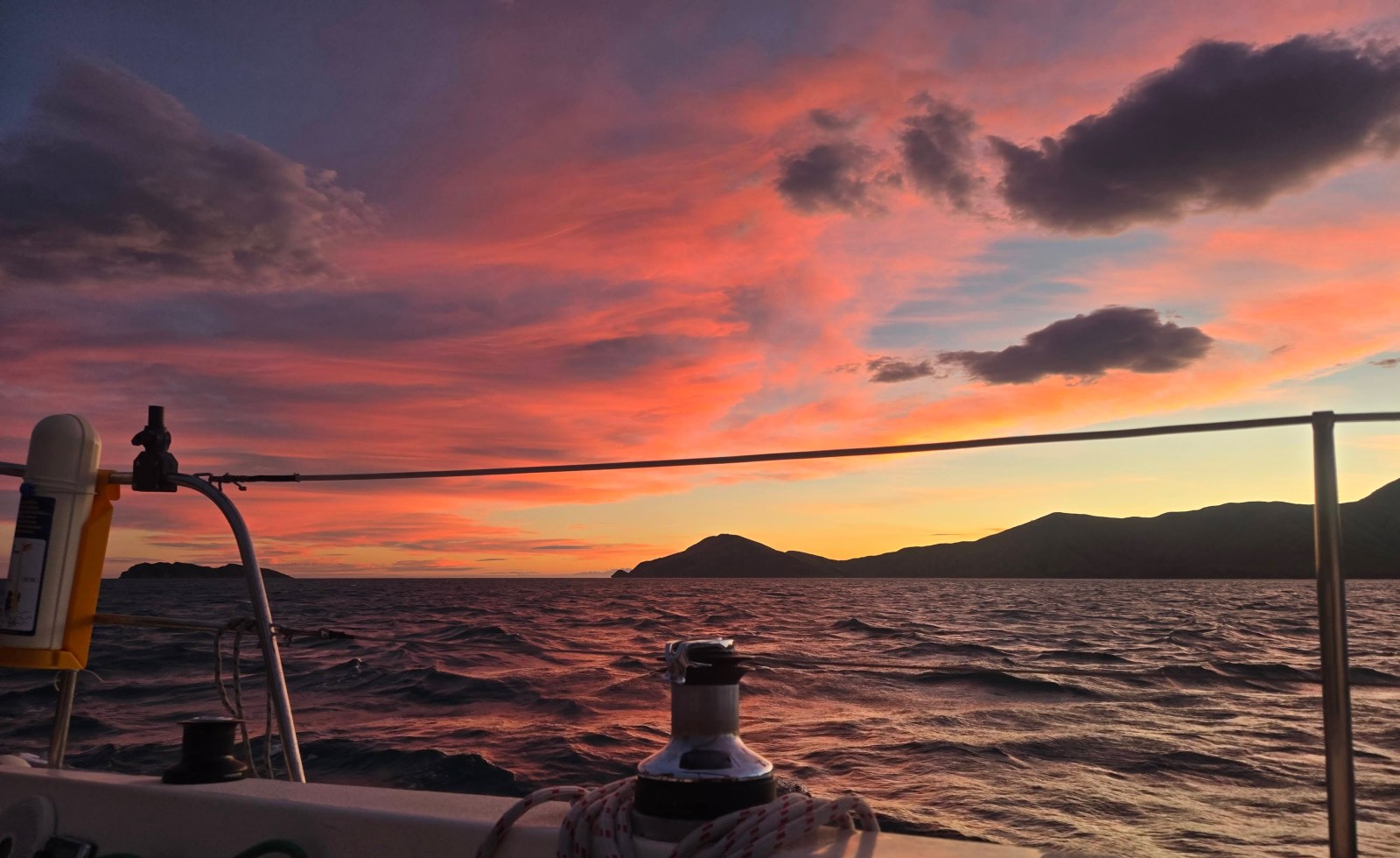
Day 2 Annies Bay to Ketu Bay to Te Rawa Lodge – 9th Jan
Our peaceful night was abruptly interrupted in the early hours by rough seas, resulting in an unpleasant banging of boats against one another. So much for shelter — not such a good mooring after all.
At first light we were out of there, casting off at 0530 hrs and heading down Guards Bay and through the narrow Allen Strait into a very windy Forsyth Bay.
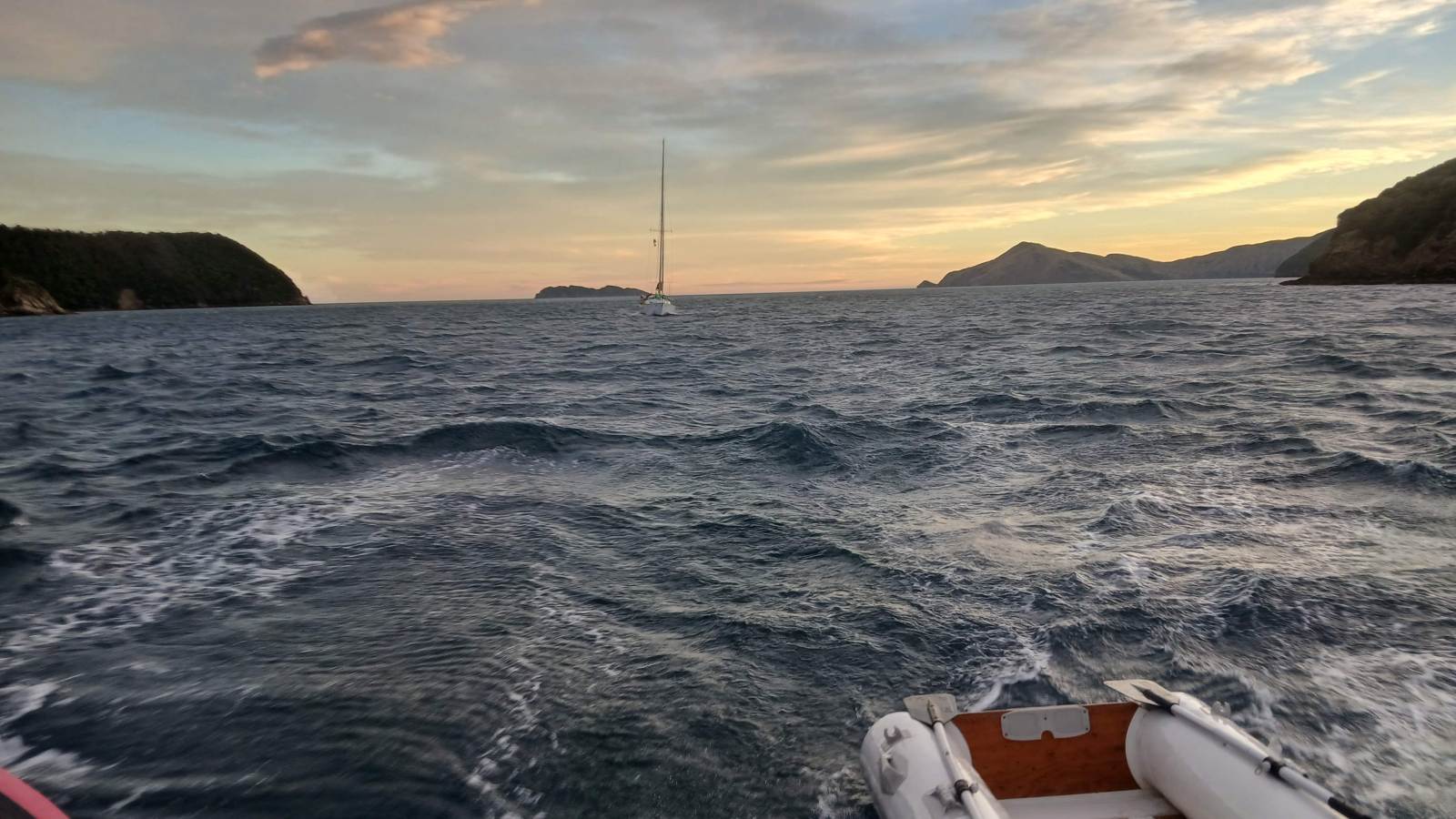
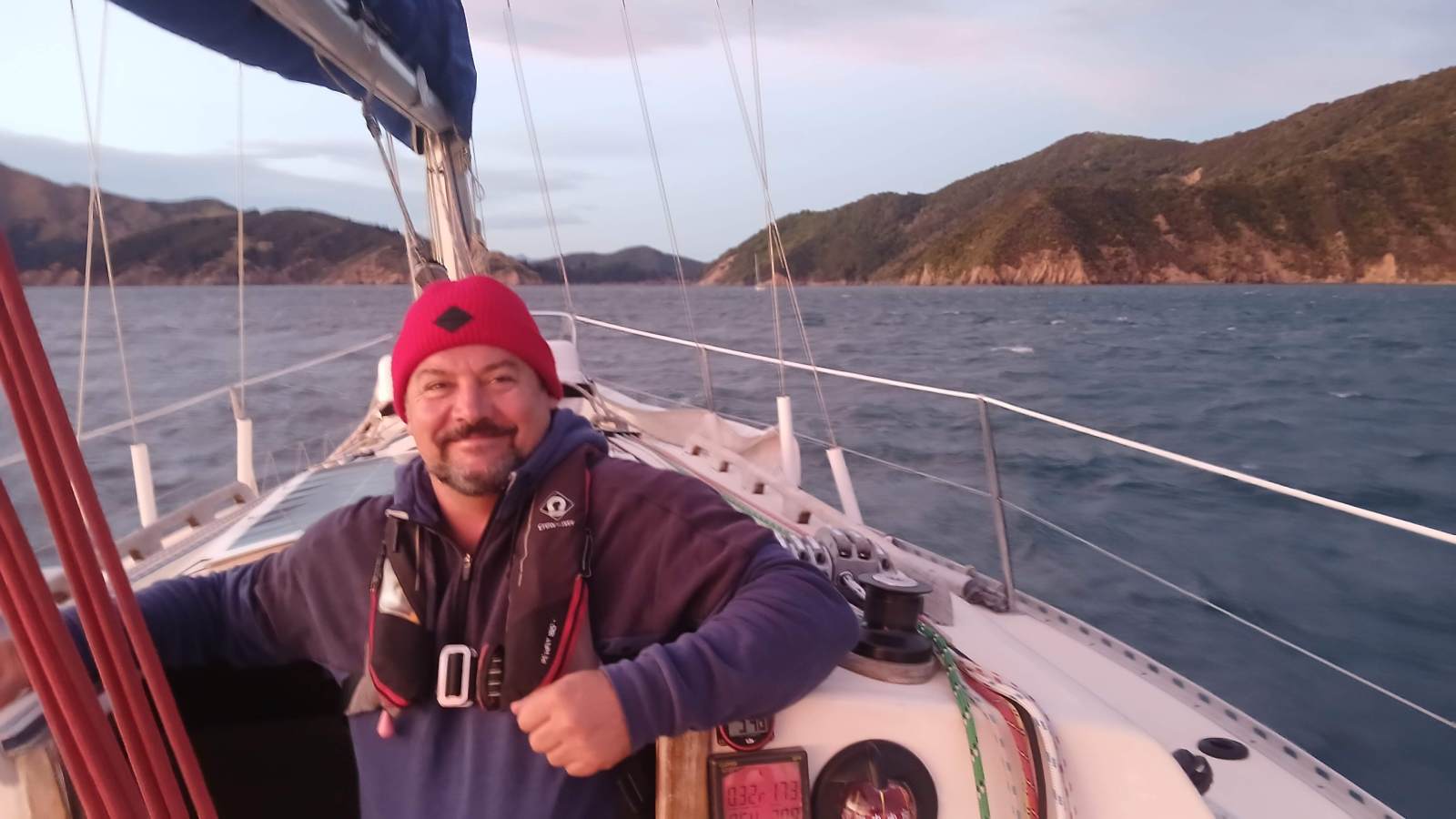
I’d been in touch with our friends Warren and Lyn aboard their launch Lisar, who were moored just around the corner in Ketu Bay. We decided to catch up with them.
After rounding Post Office Point — where we spotted an old WWII gun emplacement — we turned into the bay at 0756 hrs. Calm at last. We picked up a couple of moorings at the north-east end of the bay and enjoyed a much-needed breather after a somewhat stressful morning.
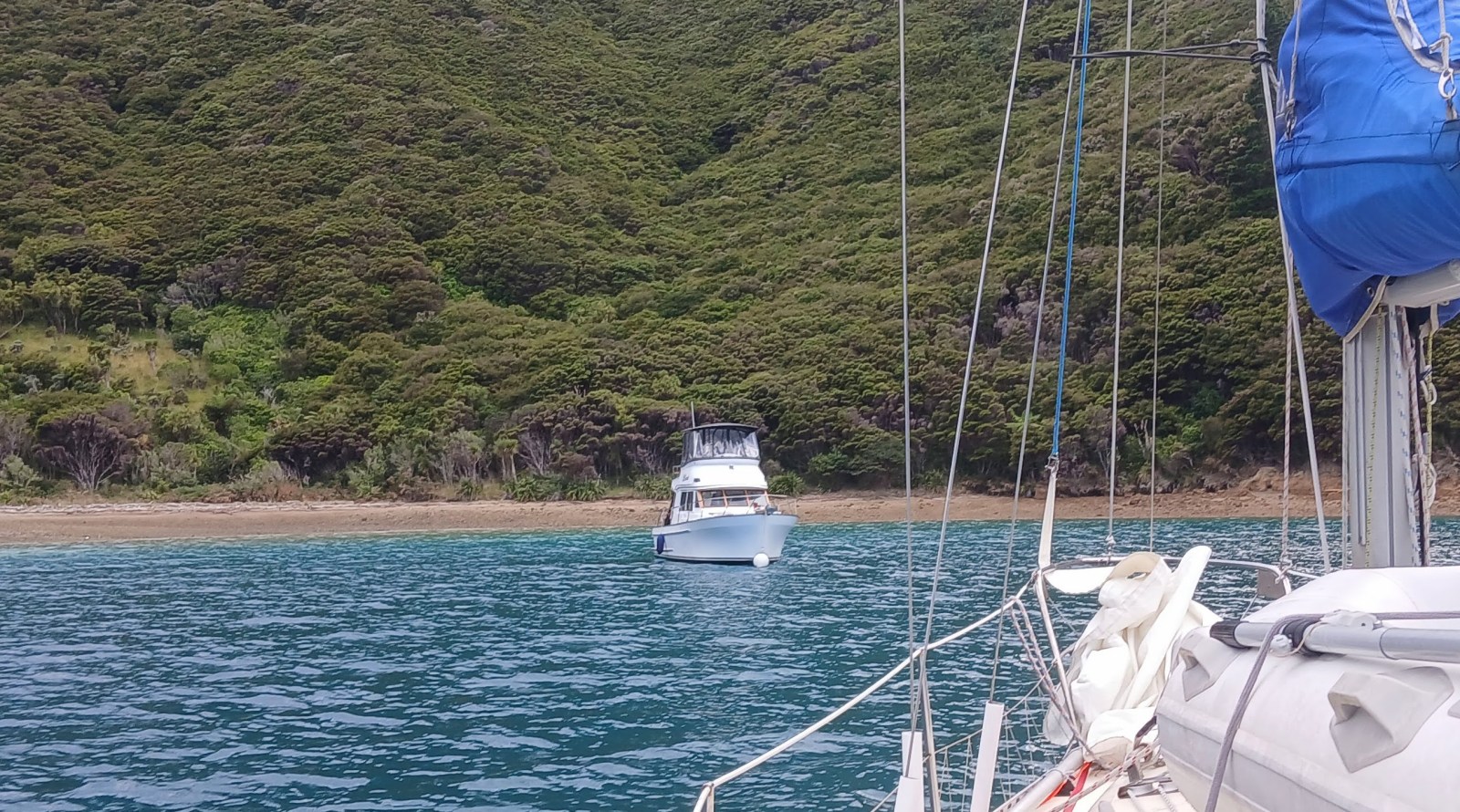
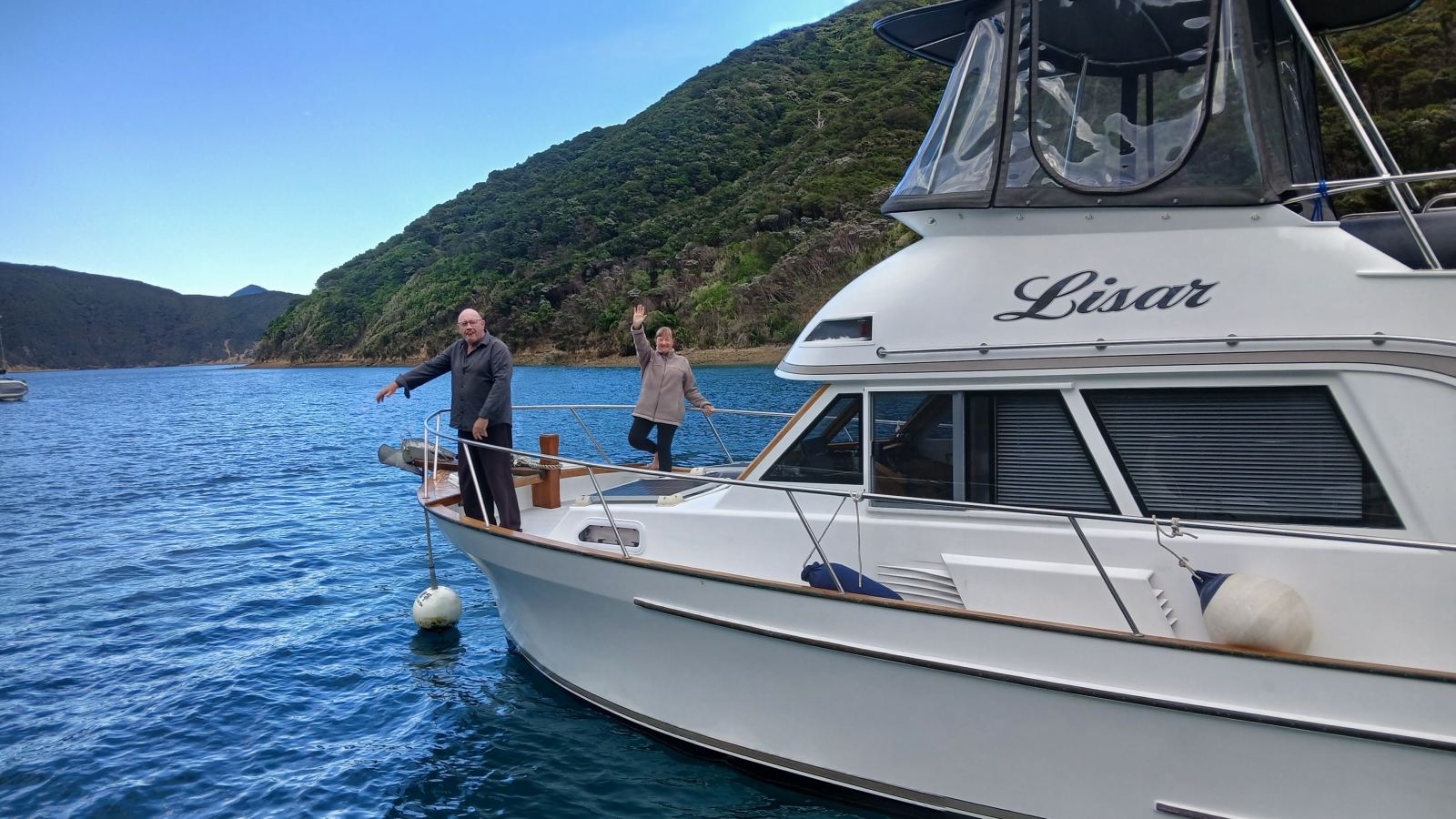
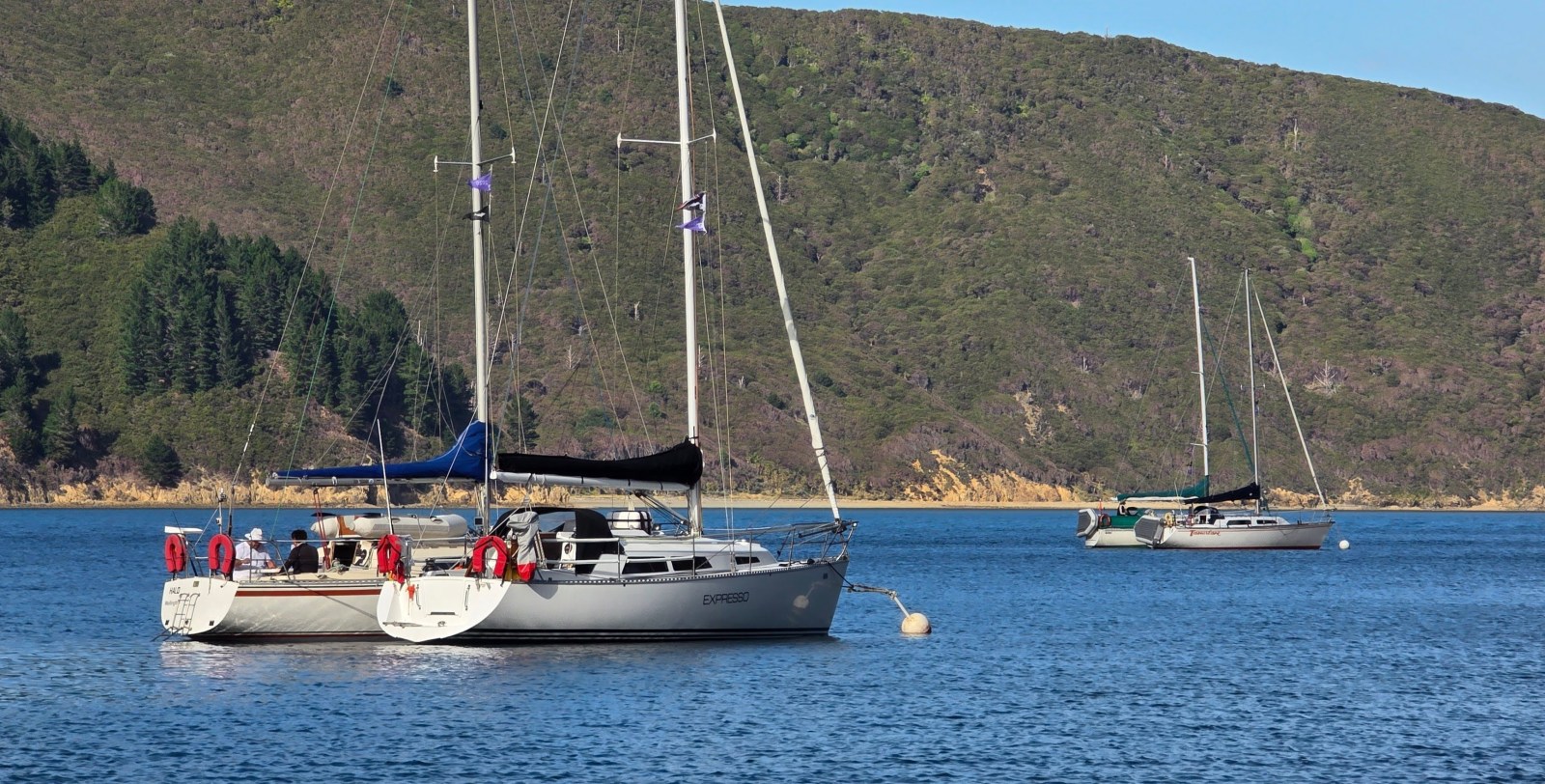
After breakfast and a good rest, I discussed options with the other skippers. We decided to head for Te Rawa Lodge, and a quick phone call confirmed they had enough moorings and no wind in the bay. Perfect.
We slipped our Ketu Bay moorings at 1100 hrs, motored down Waitata Reach past Maud Island, rounded Tawero Point, and entered Wilson Bay, arriving at Te Rawa Lodge at 1245 hrs.
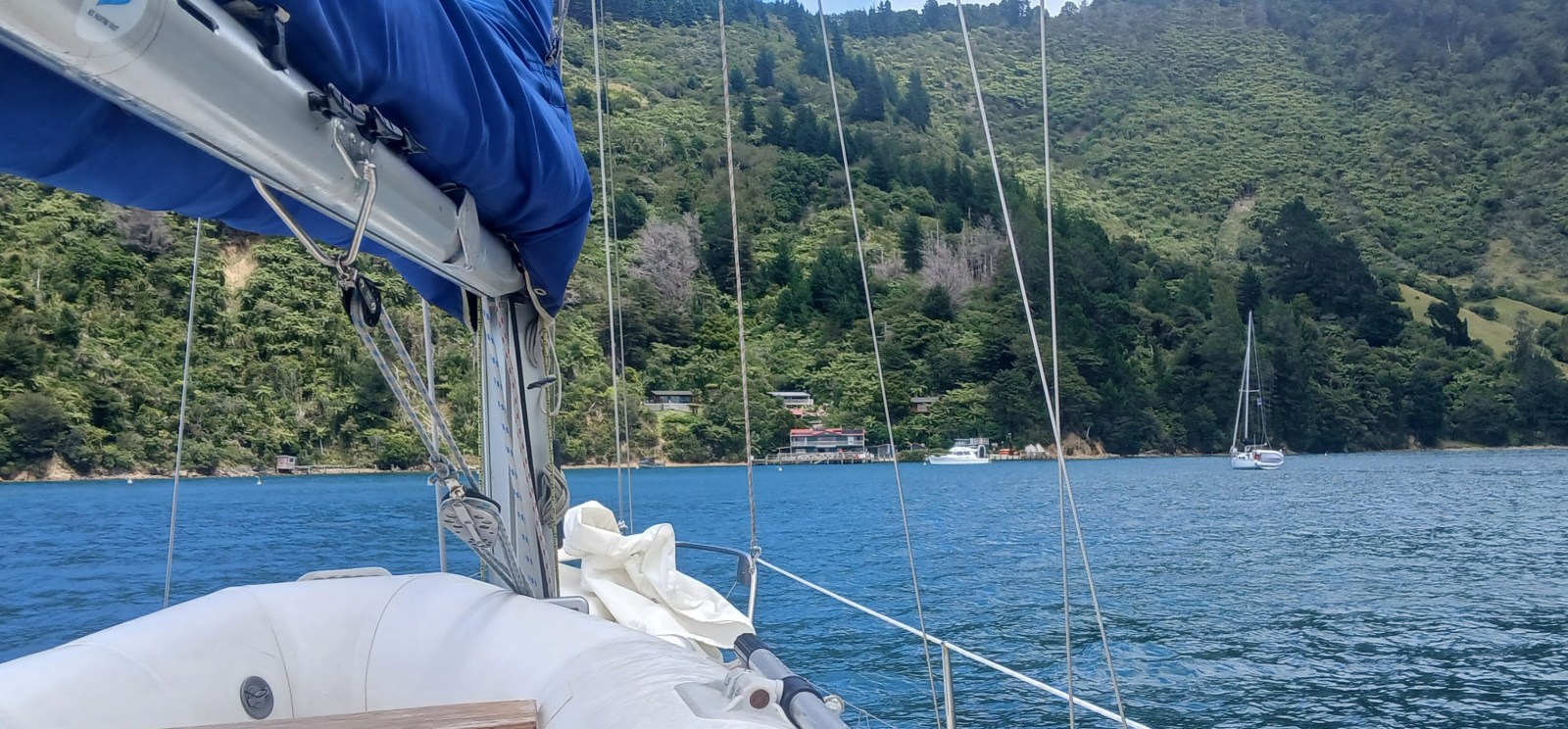
In the afternoon, some of us took the dinghies ashore for a walk along the farm track. We met the farmer, Trevor Foote, who showed us the old woolshed and shared stories of five generations of his family farming sheep in Wilson Bay. These days, tourism is their primary livelihood.
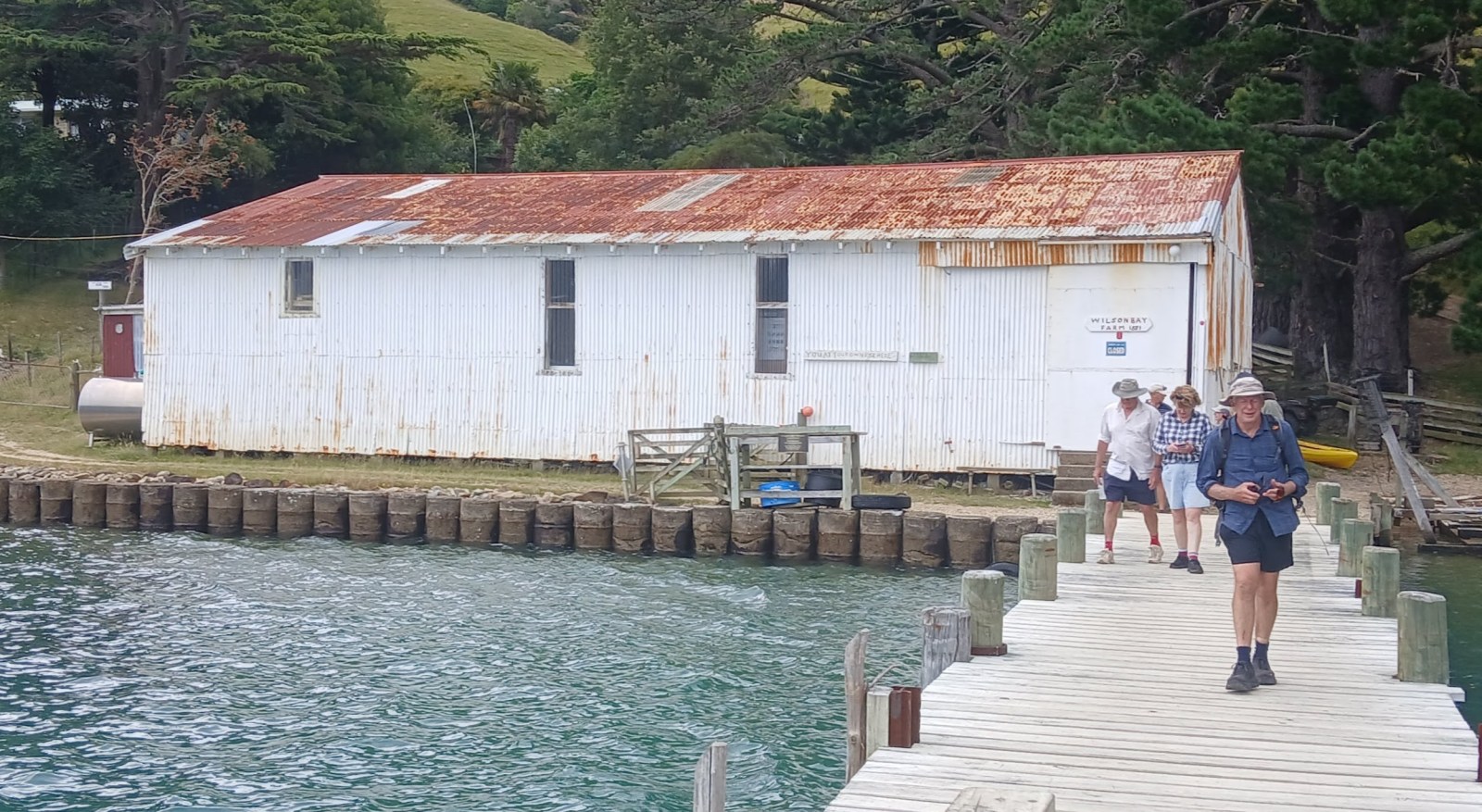
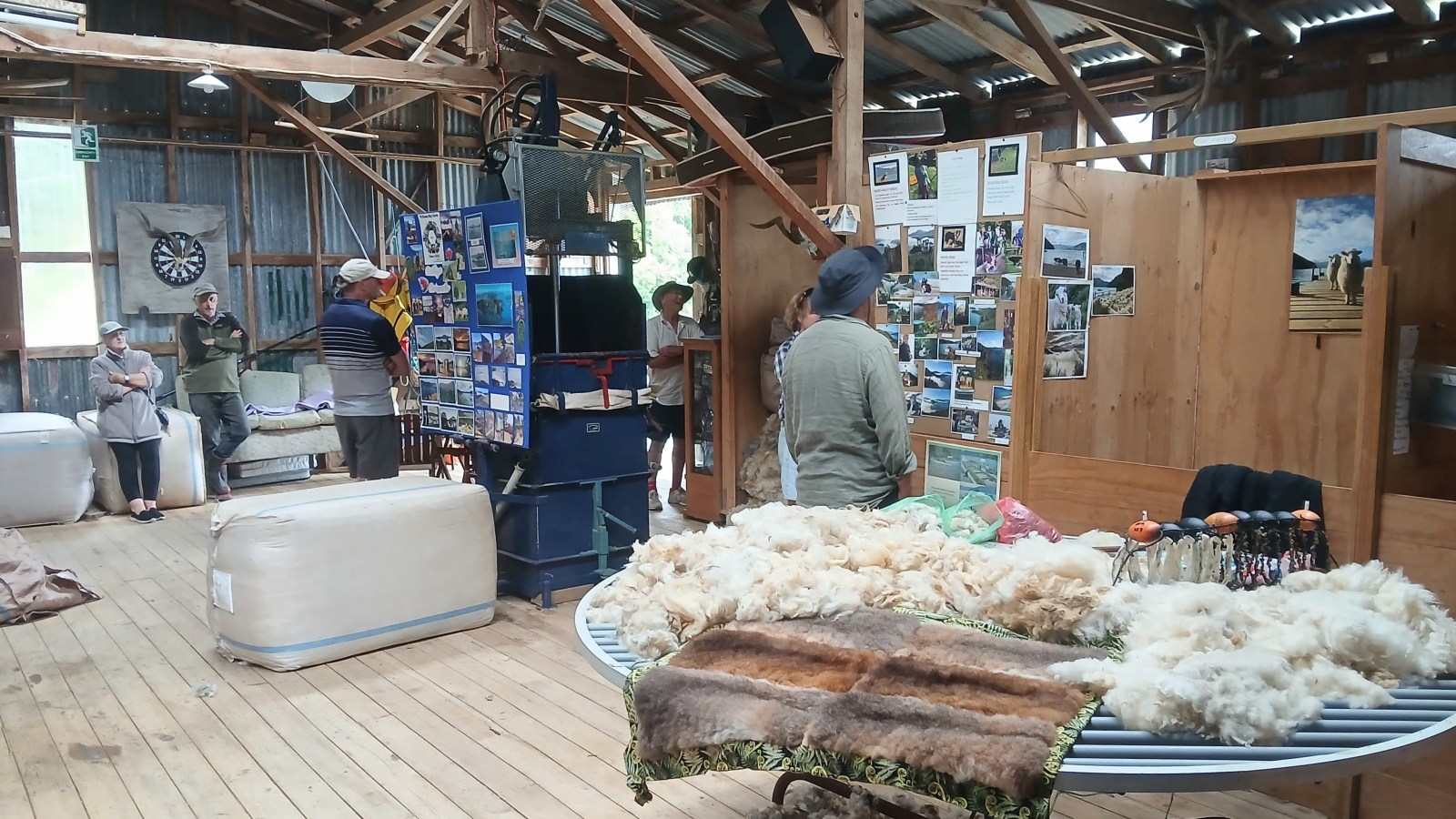
We continued around the point for great views over Popoura Reach.
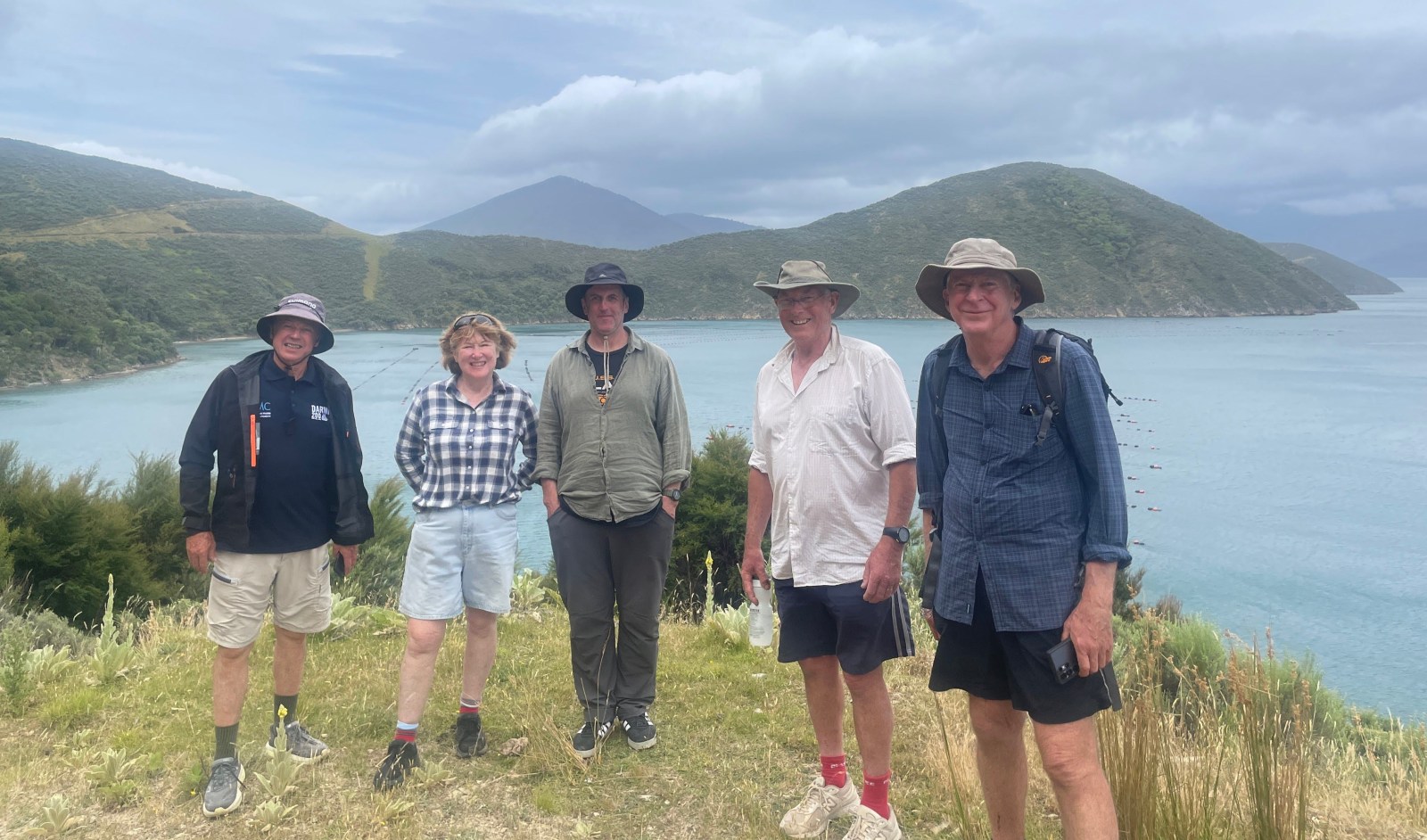
That evening, we treated ourselves to a group dinner at the lodge — a thoroughly civilised end to the day.
Day 3 Te Rawa to Havelock – 10 Jan 2026
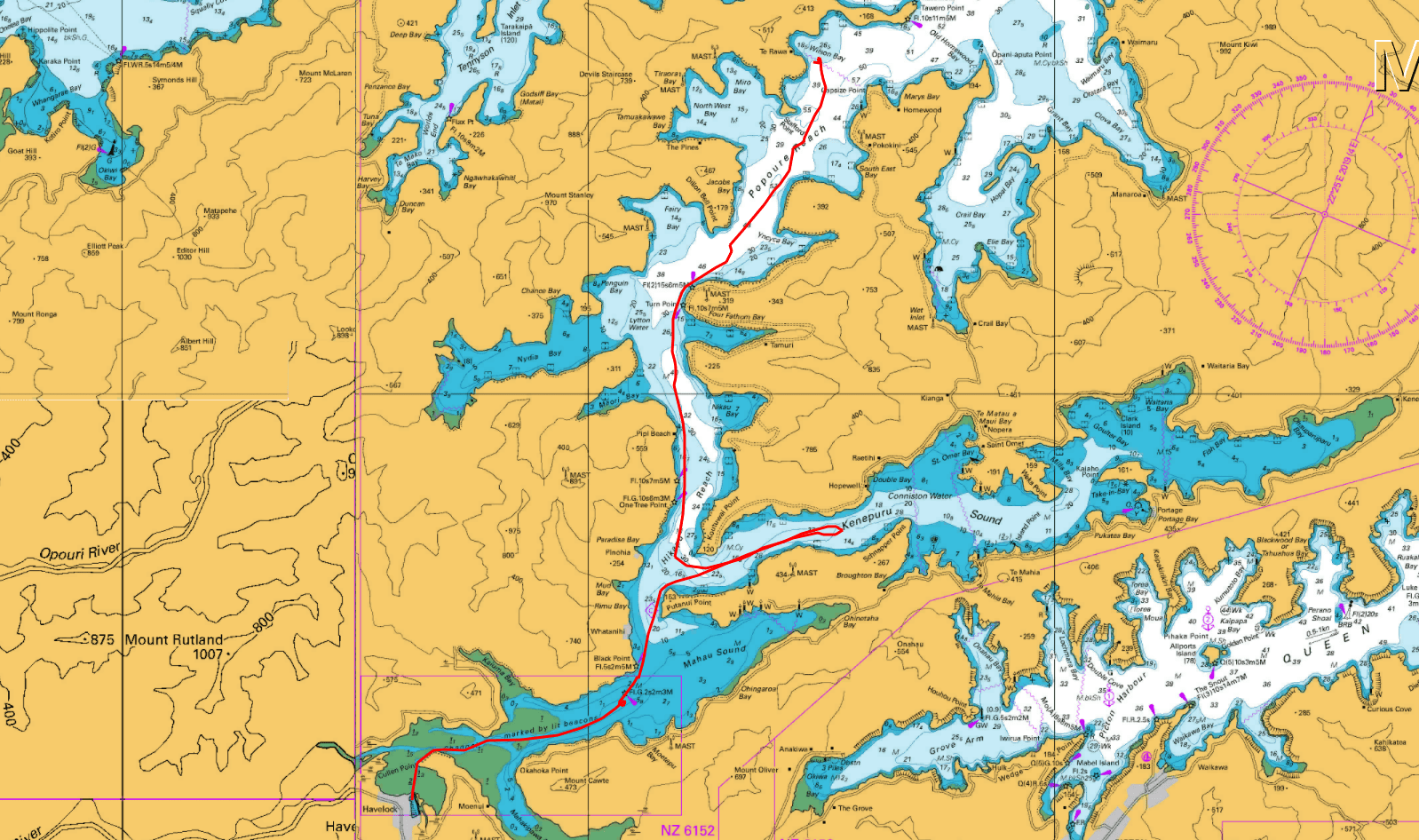
With a northerly storm forecast for the following day, we decided — together with Warren and Lyn on Lisar — to head south to shelter in Havelock Marina. Warren kindly called ahead and secured berths for all of us.
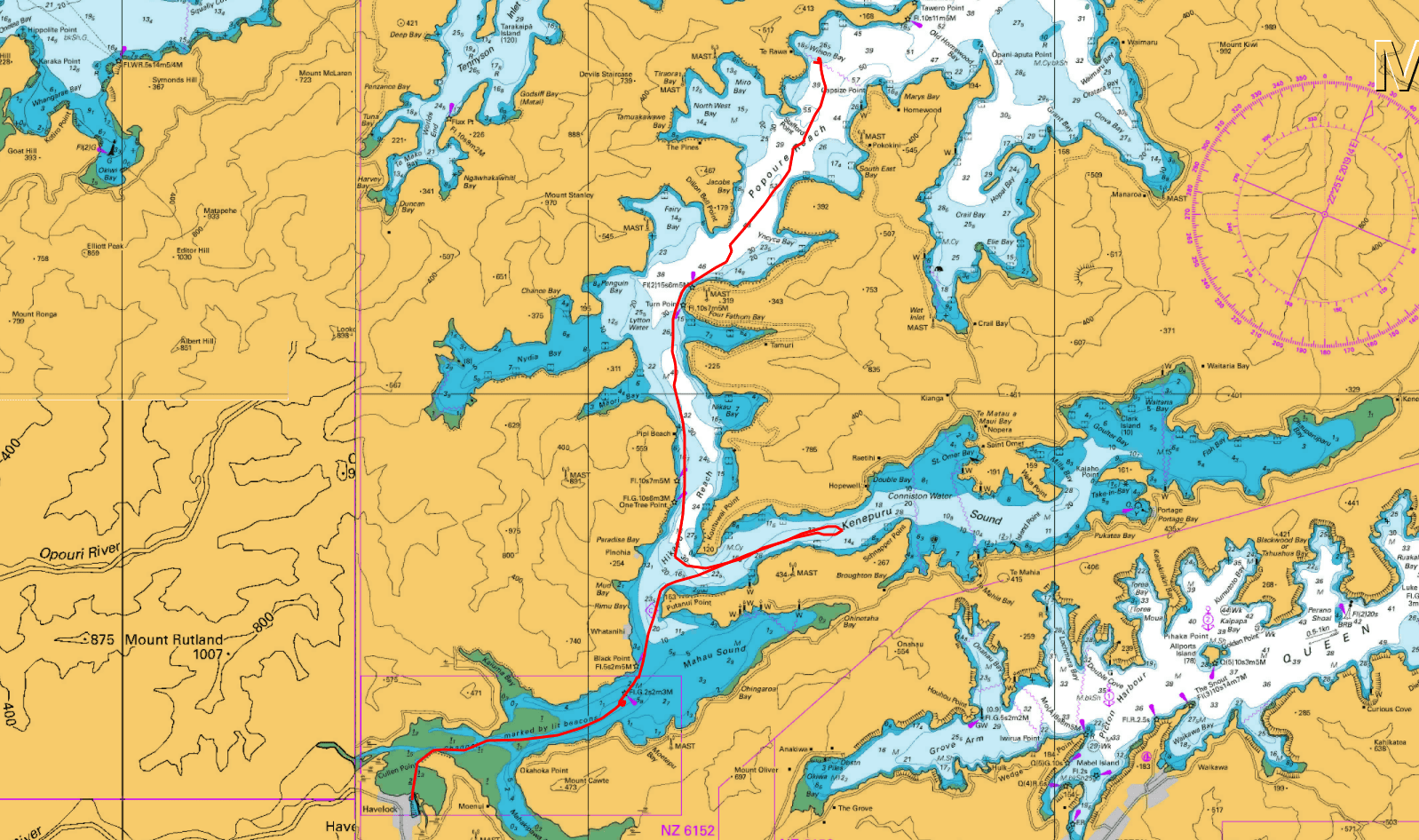
After a hearty breakfast we departed at 0945 hrs, enjoying a pleasant tailwind down Popoura Reach. Tunch and I took the opportunity to do some spinnaker practice aboard Halo.
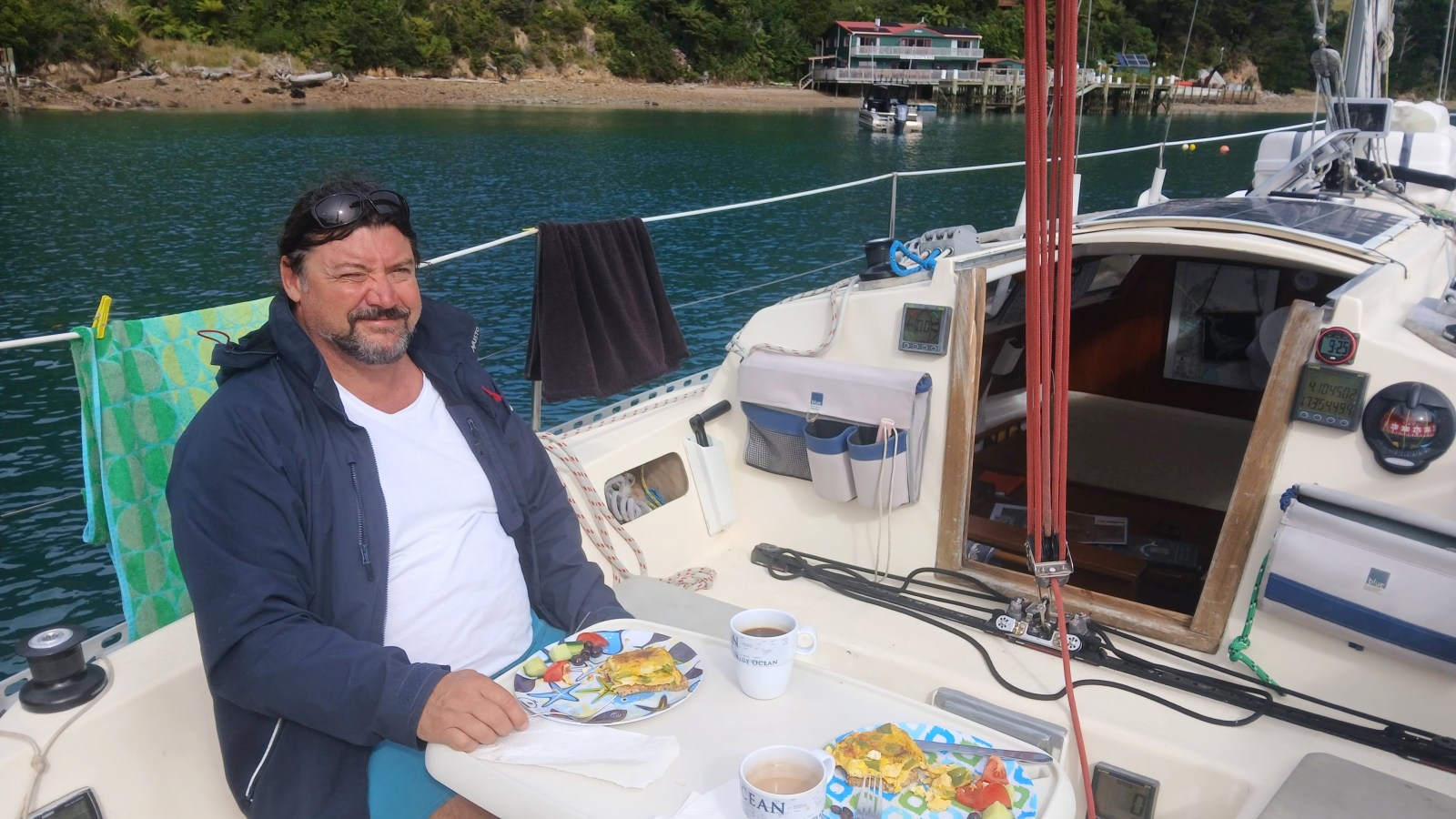
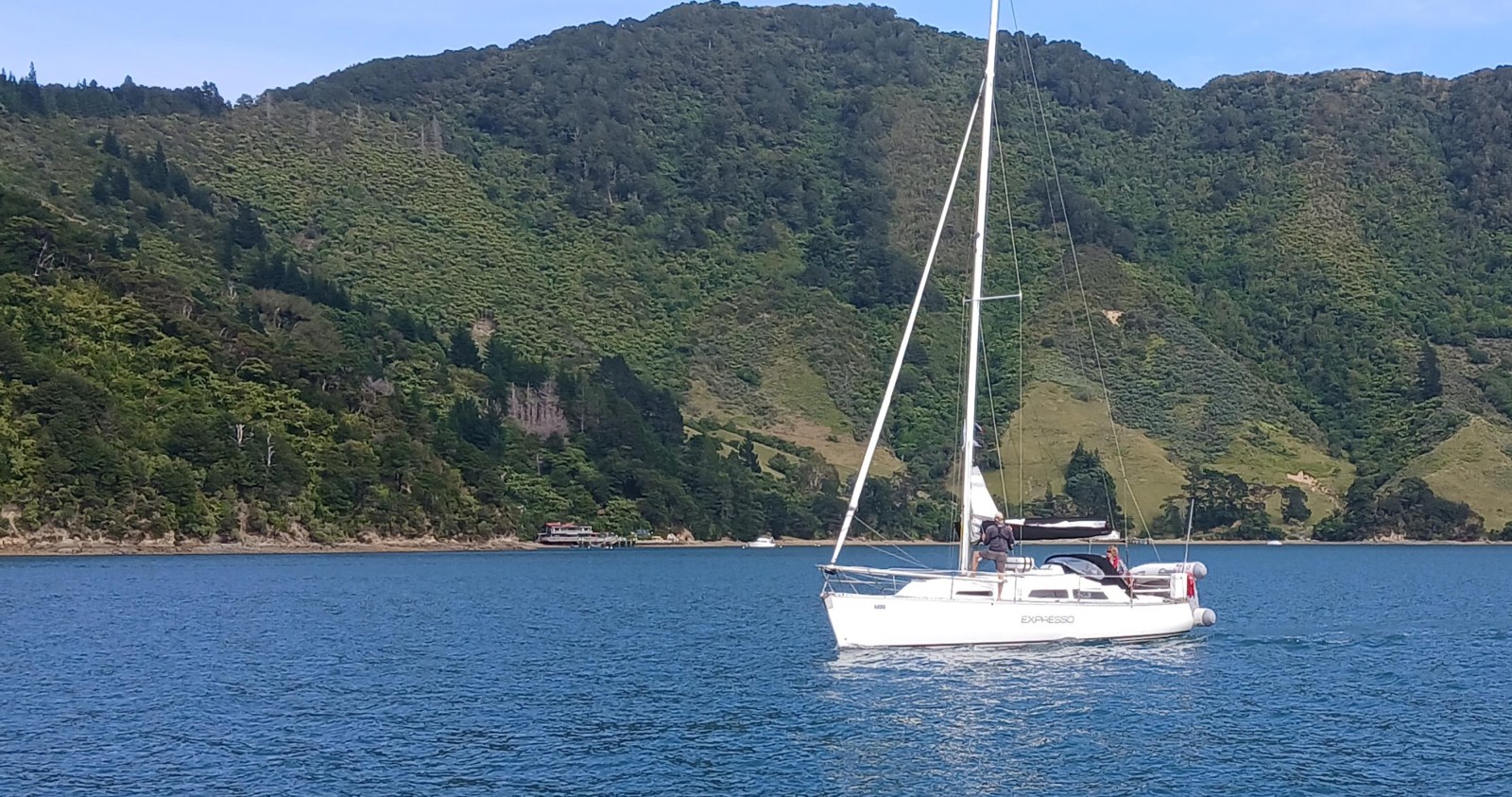
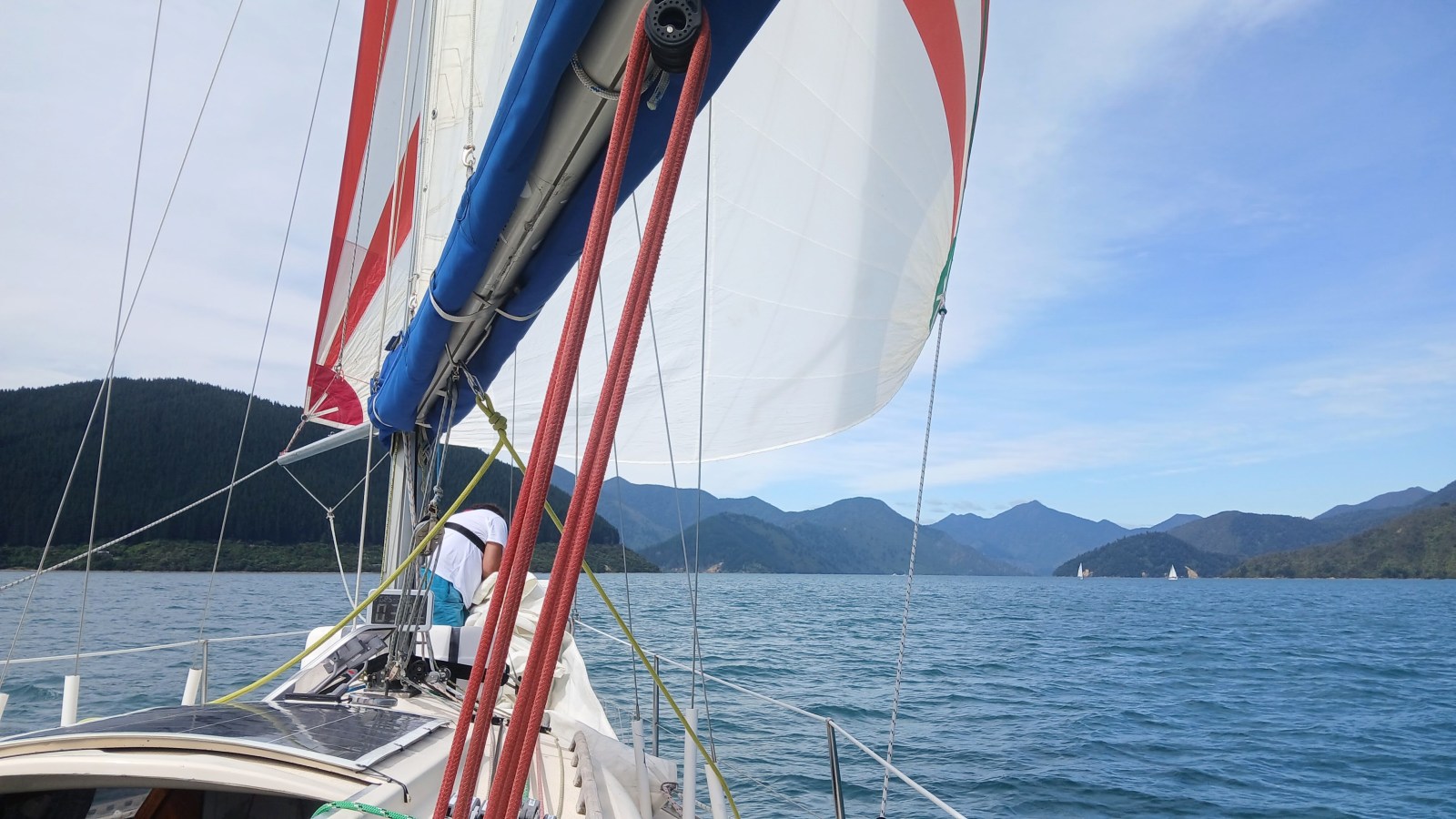
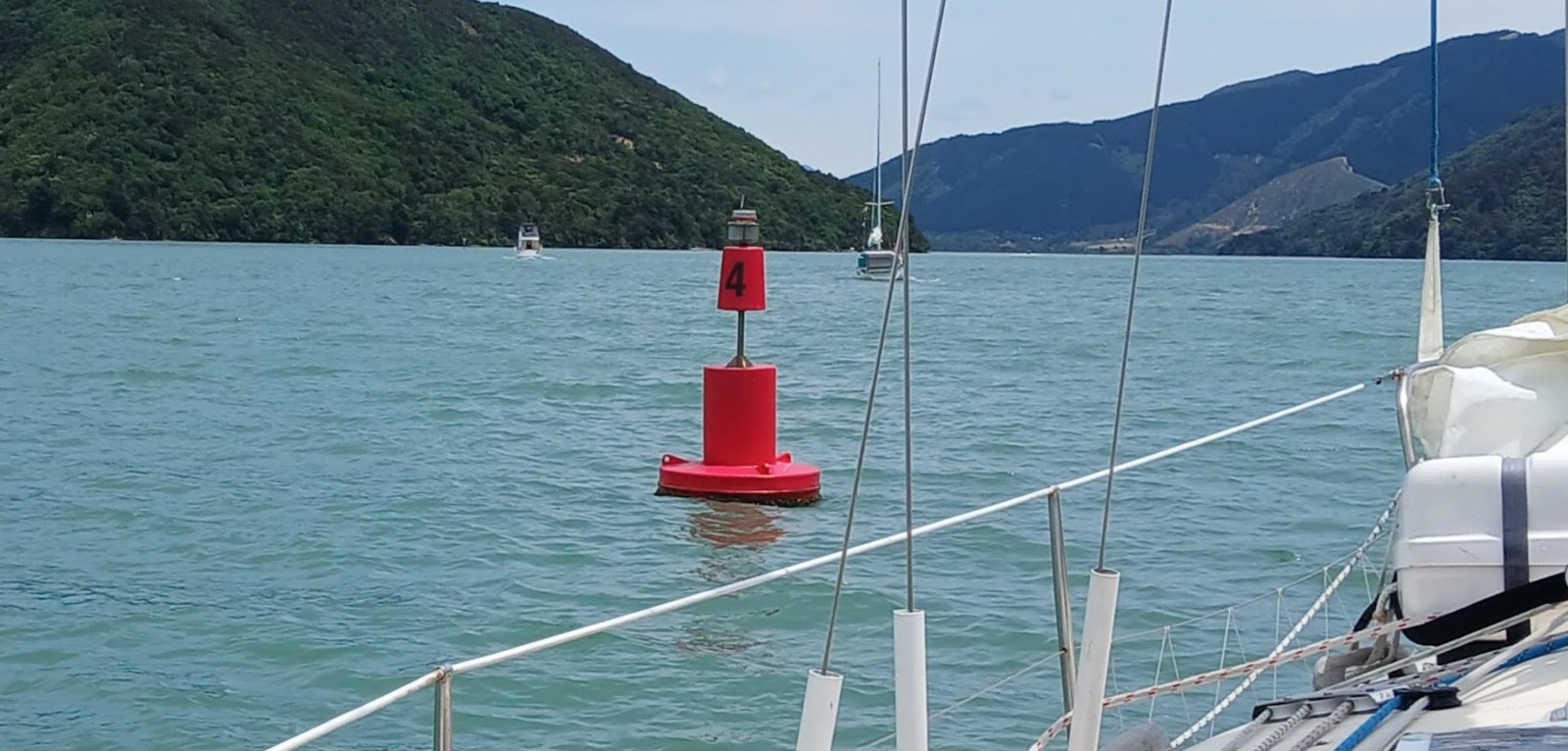
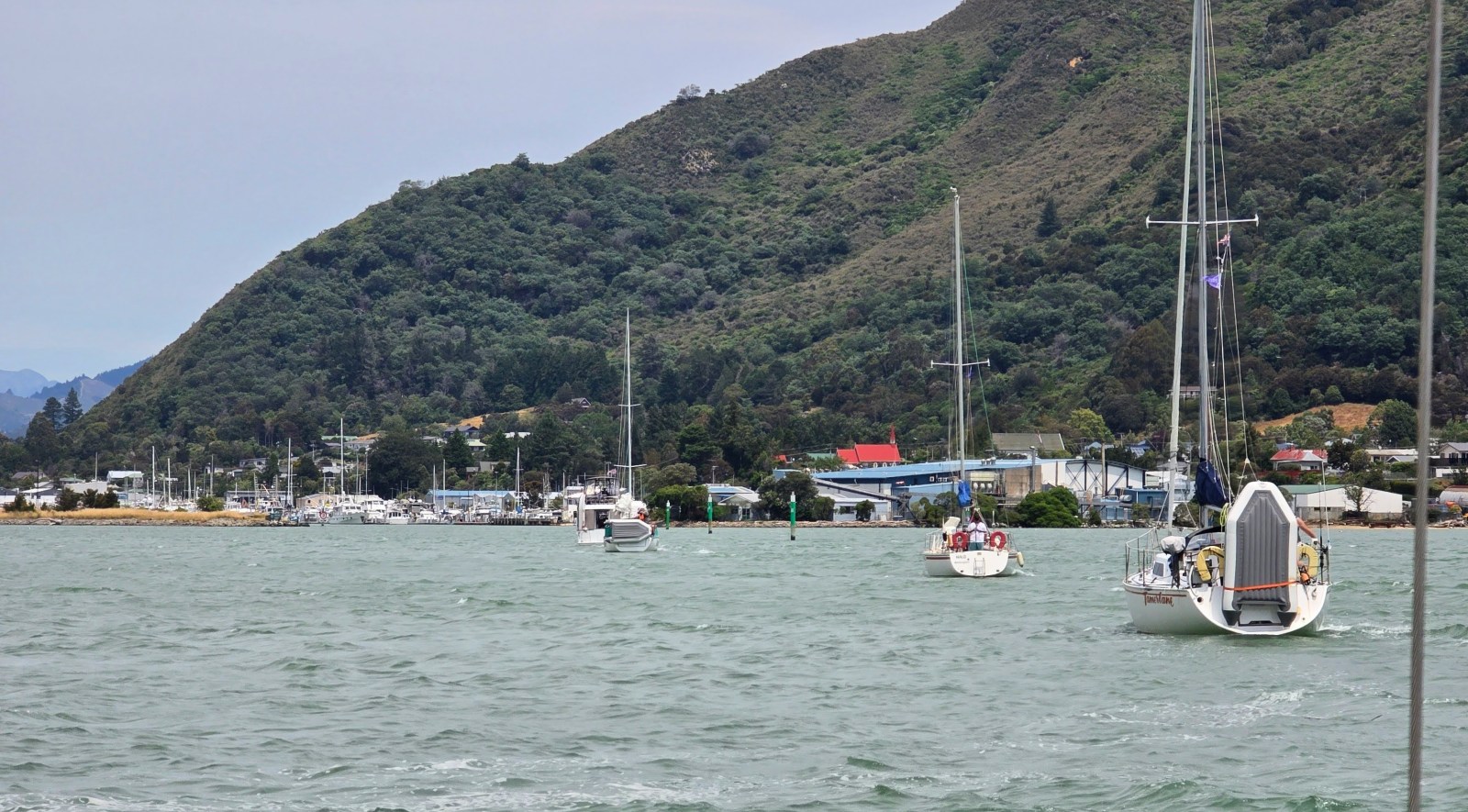
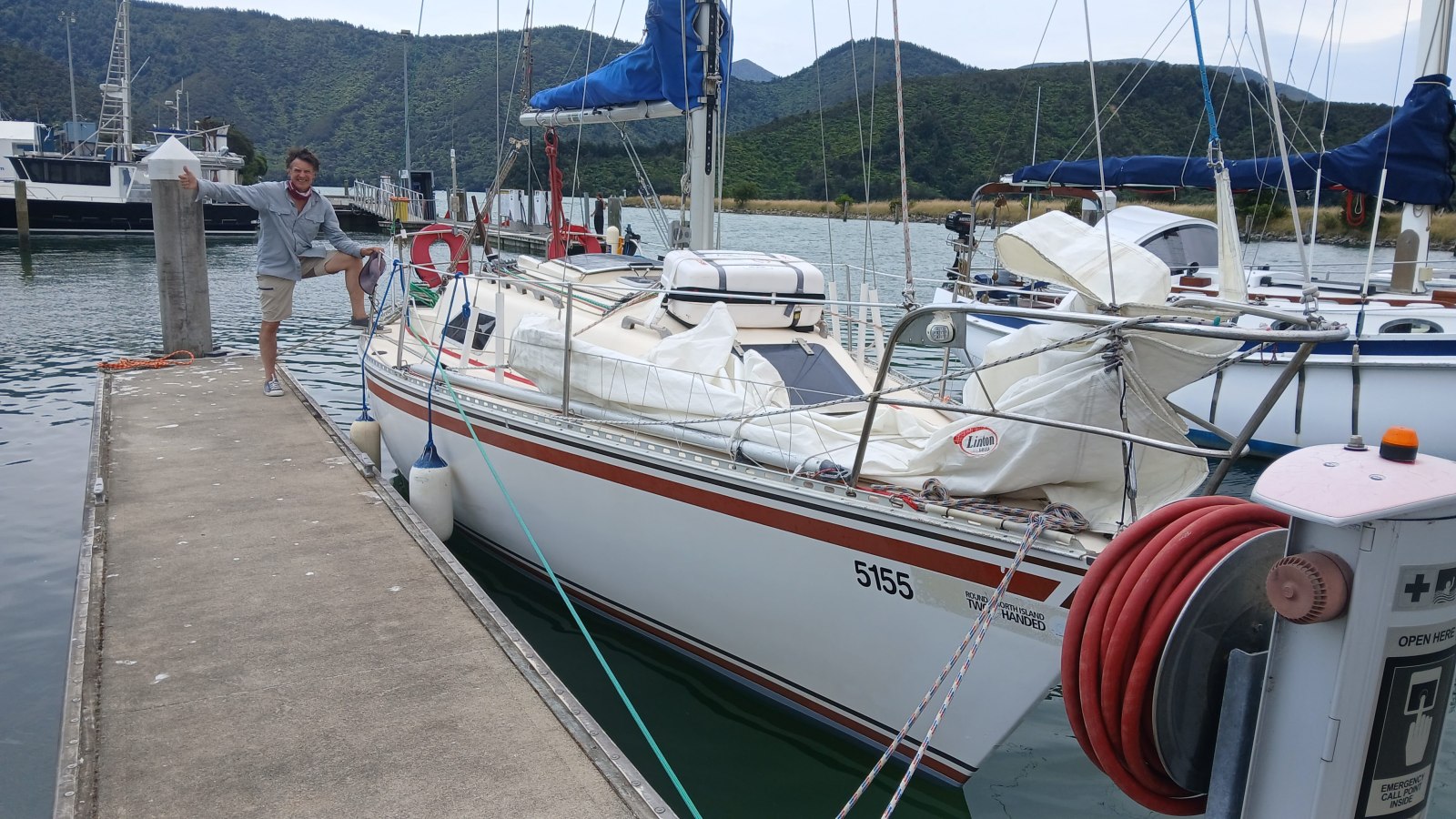
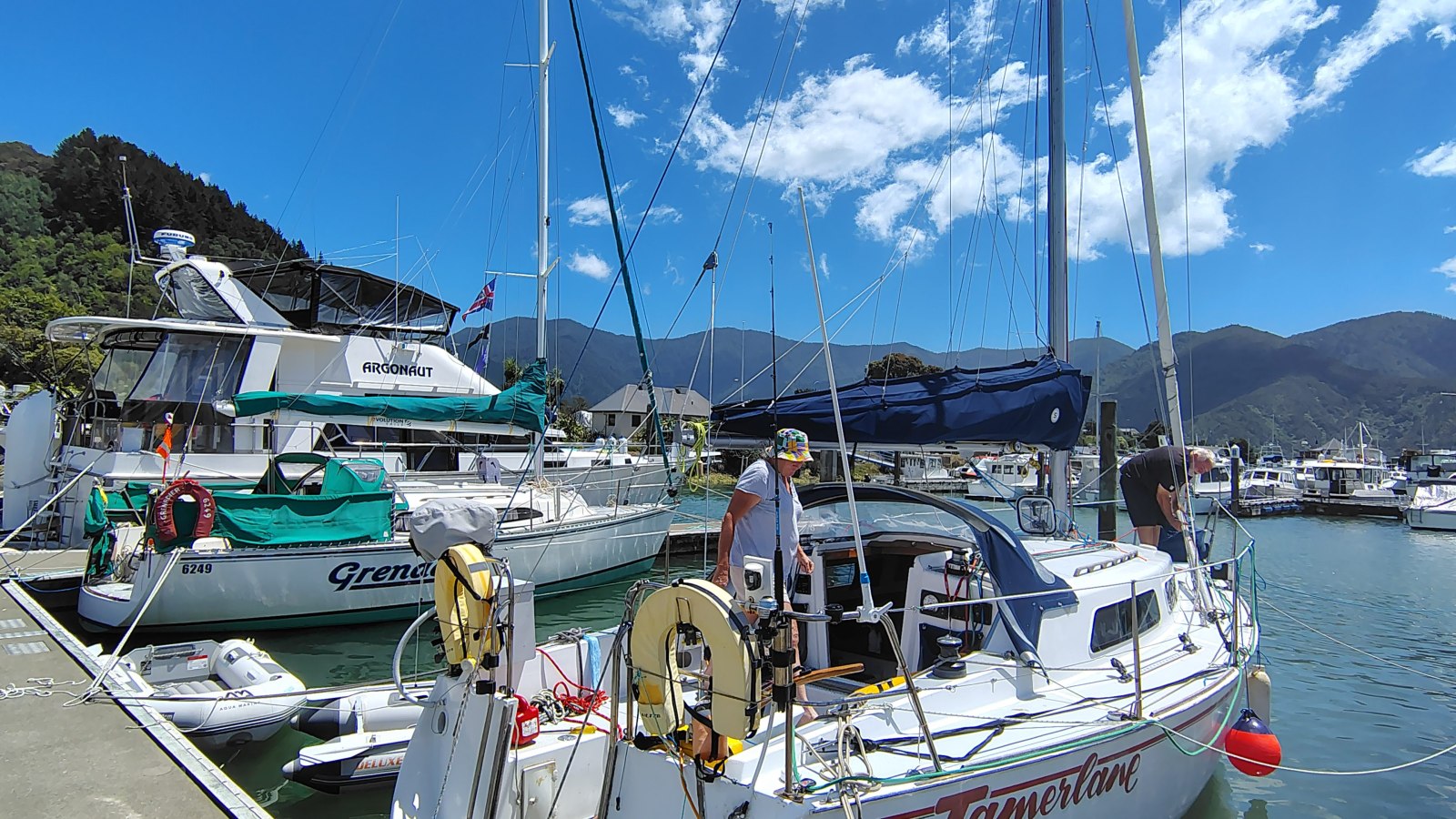
After a brief explore into Kenepuru Sound, we rejoined Lisar at Black Point, who led us through the well-marked channel into Havelock. Halo was secured in her berth at 1415 hrs.
Day 4 Havelock – 11 Jan 2026
We spent two nights in Havelock. This day was a break from sailing, with some boat maintenance and a walk along part of the Link Pathway, the impressive cycle and walking trail now extending all the way to Picton thanks to the efforts of local volunteers.
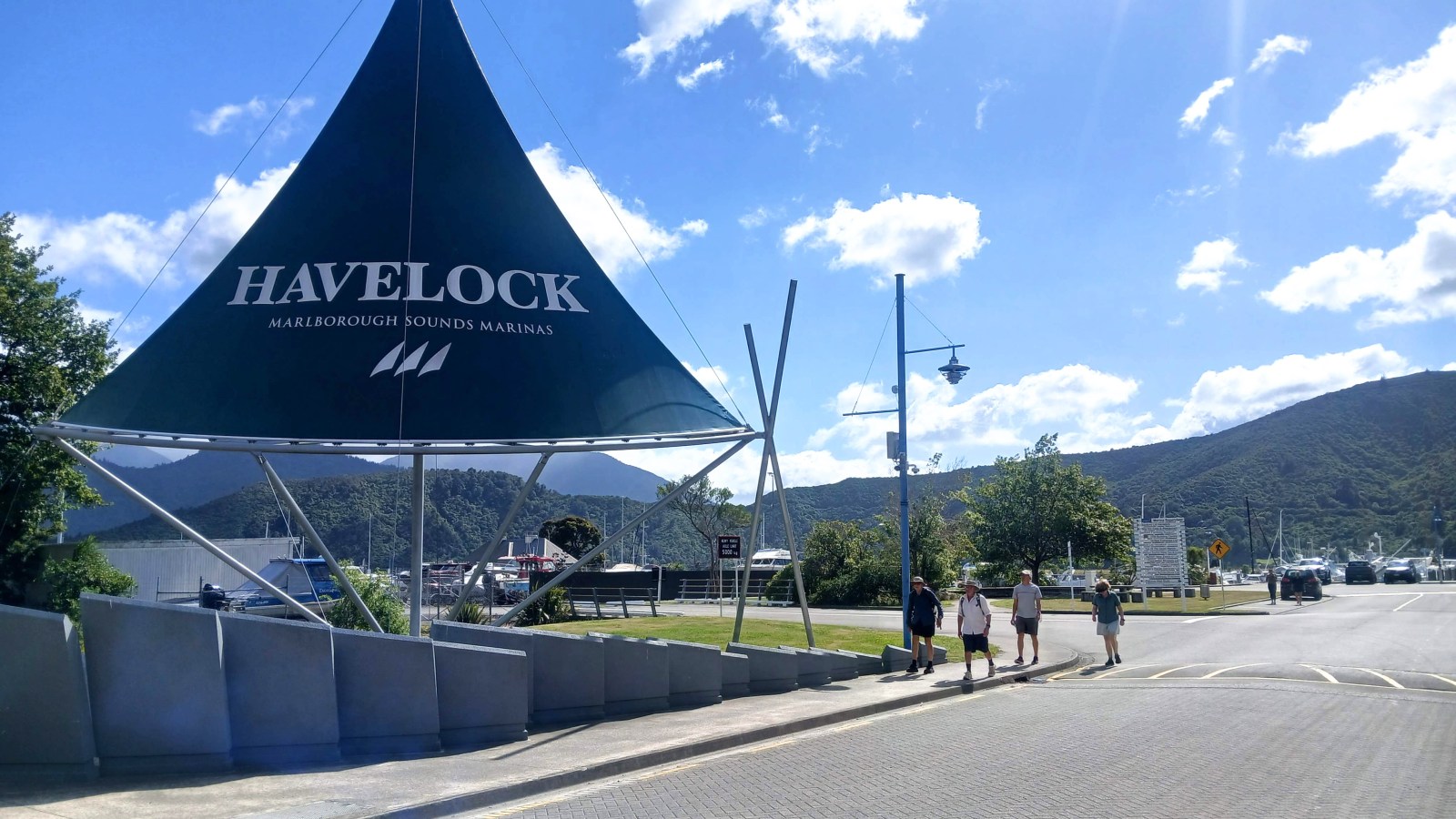
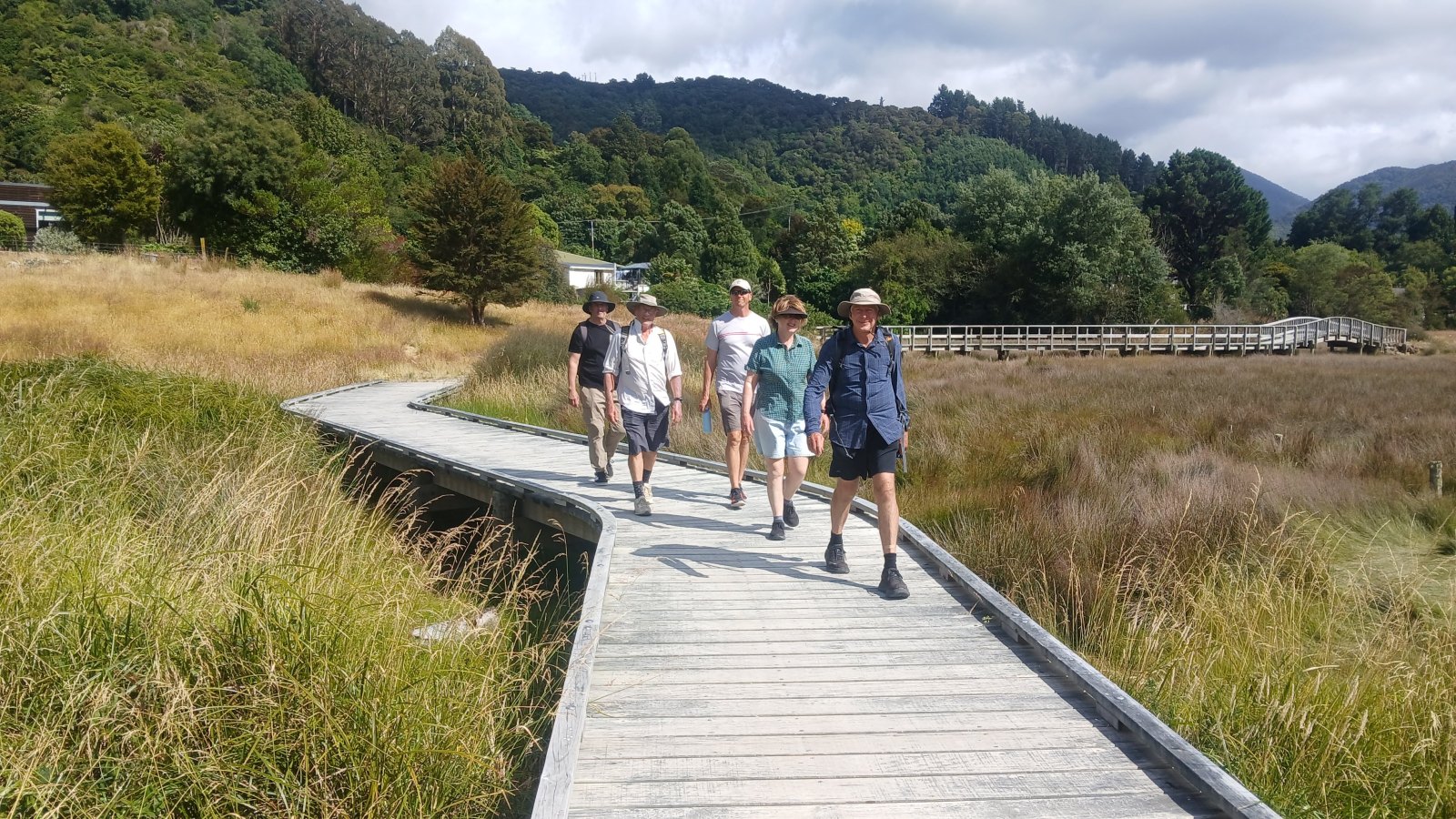
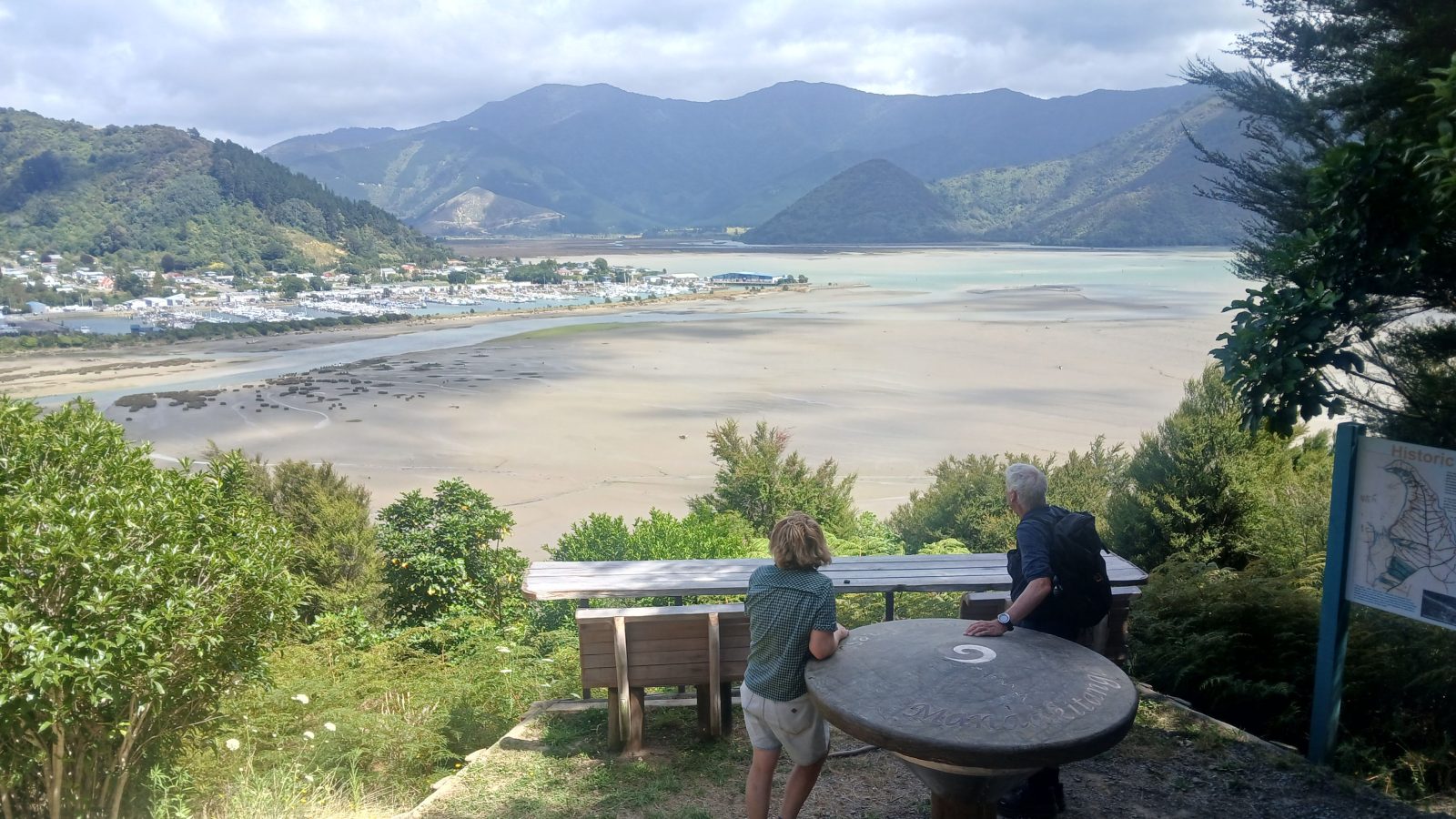
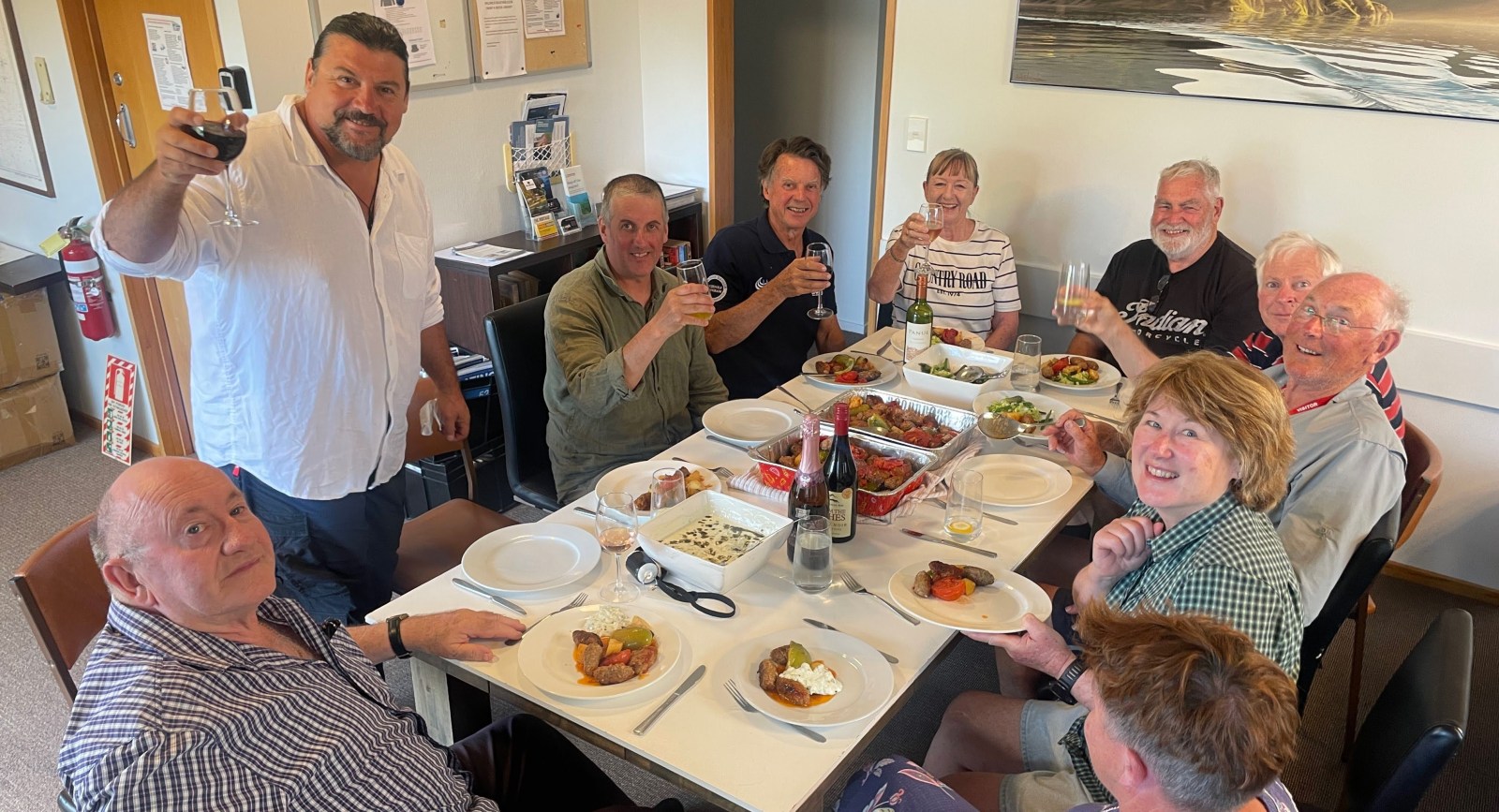
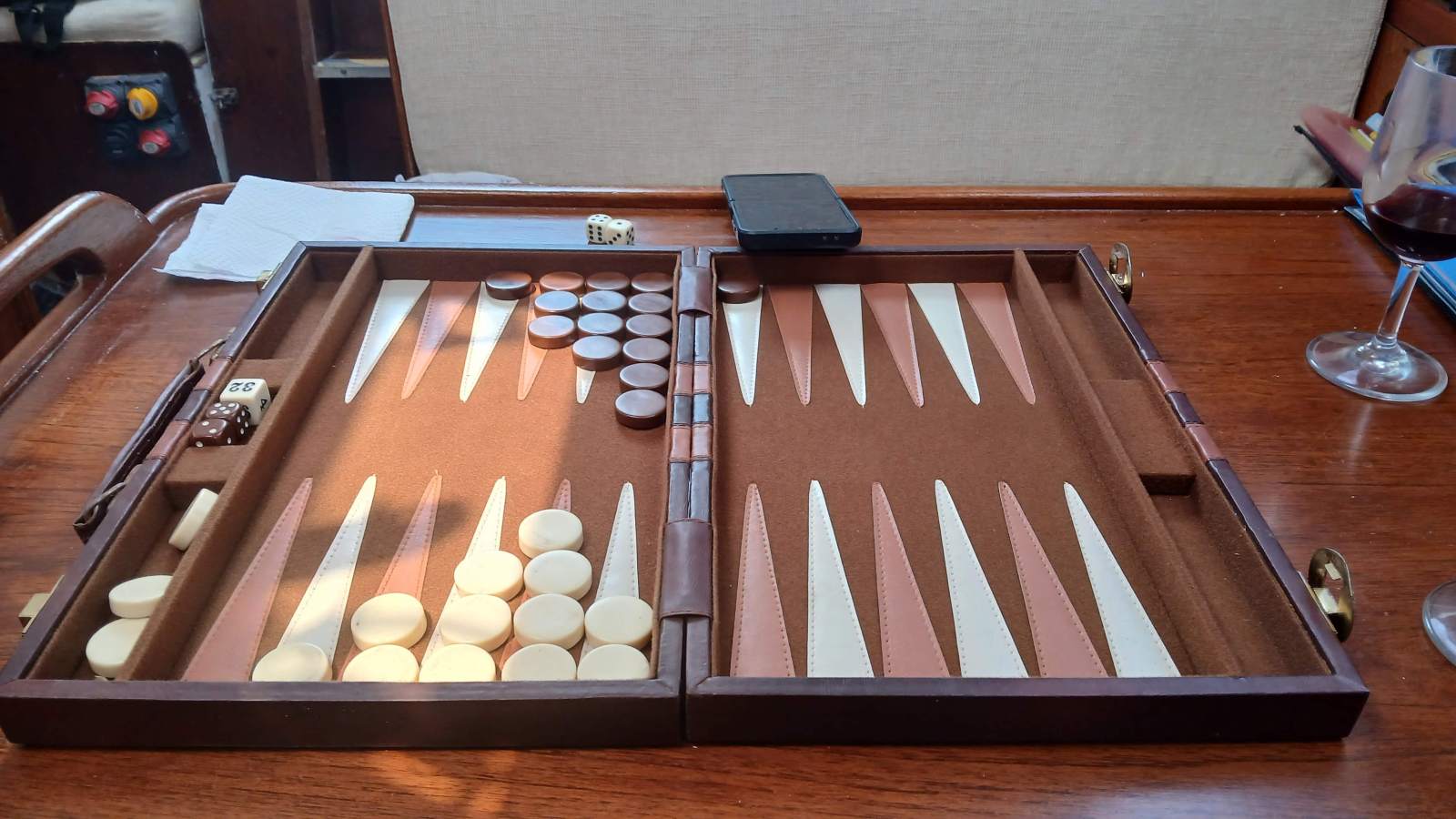
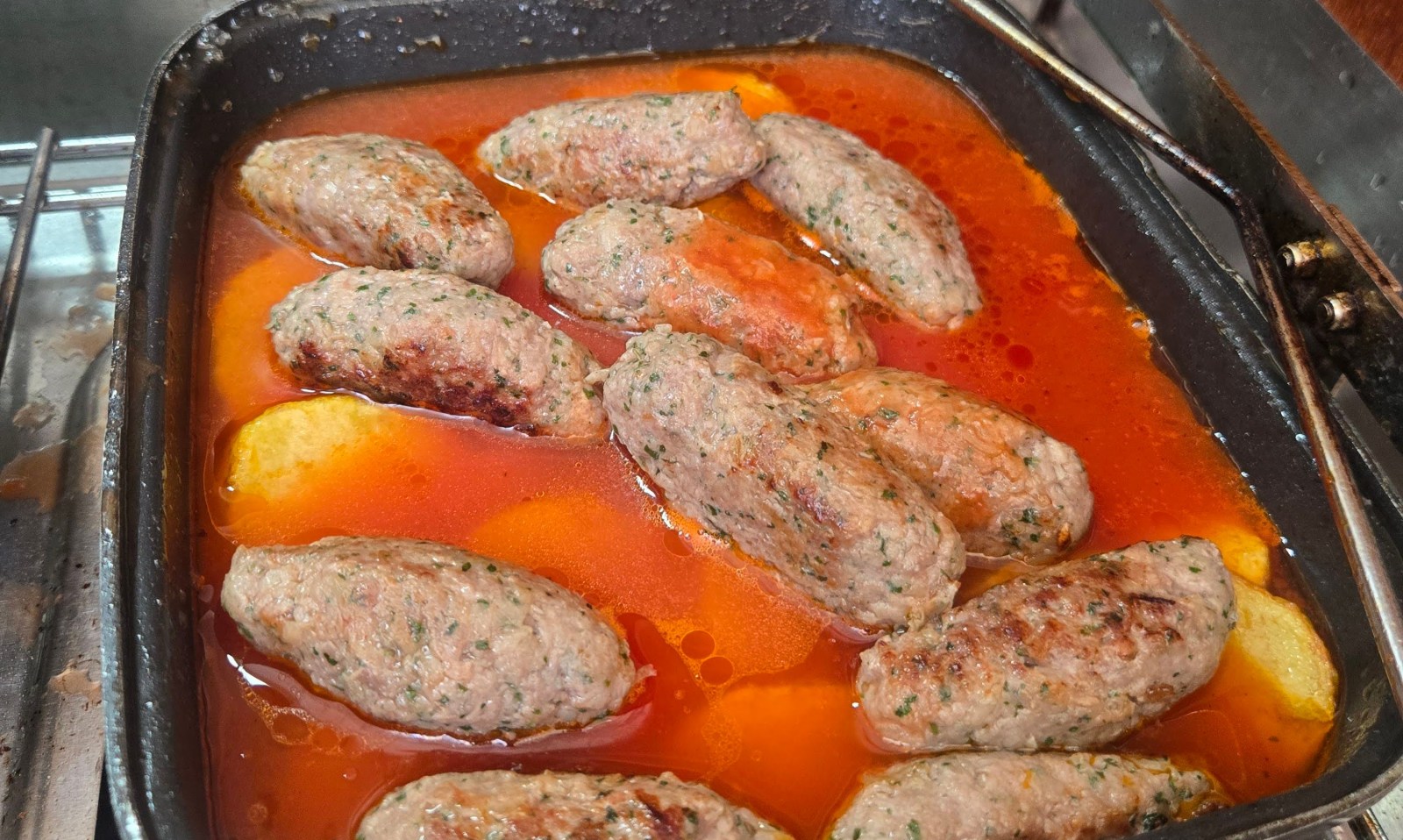
That evening we gathered at the Pelorus Boating Club rooms for a memorable night. Tunch cooked a superb Turkish İzmir köfte dinner, followed by rum and competitive backgammon. A very fun night.
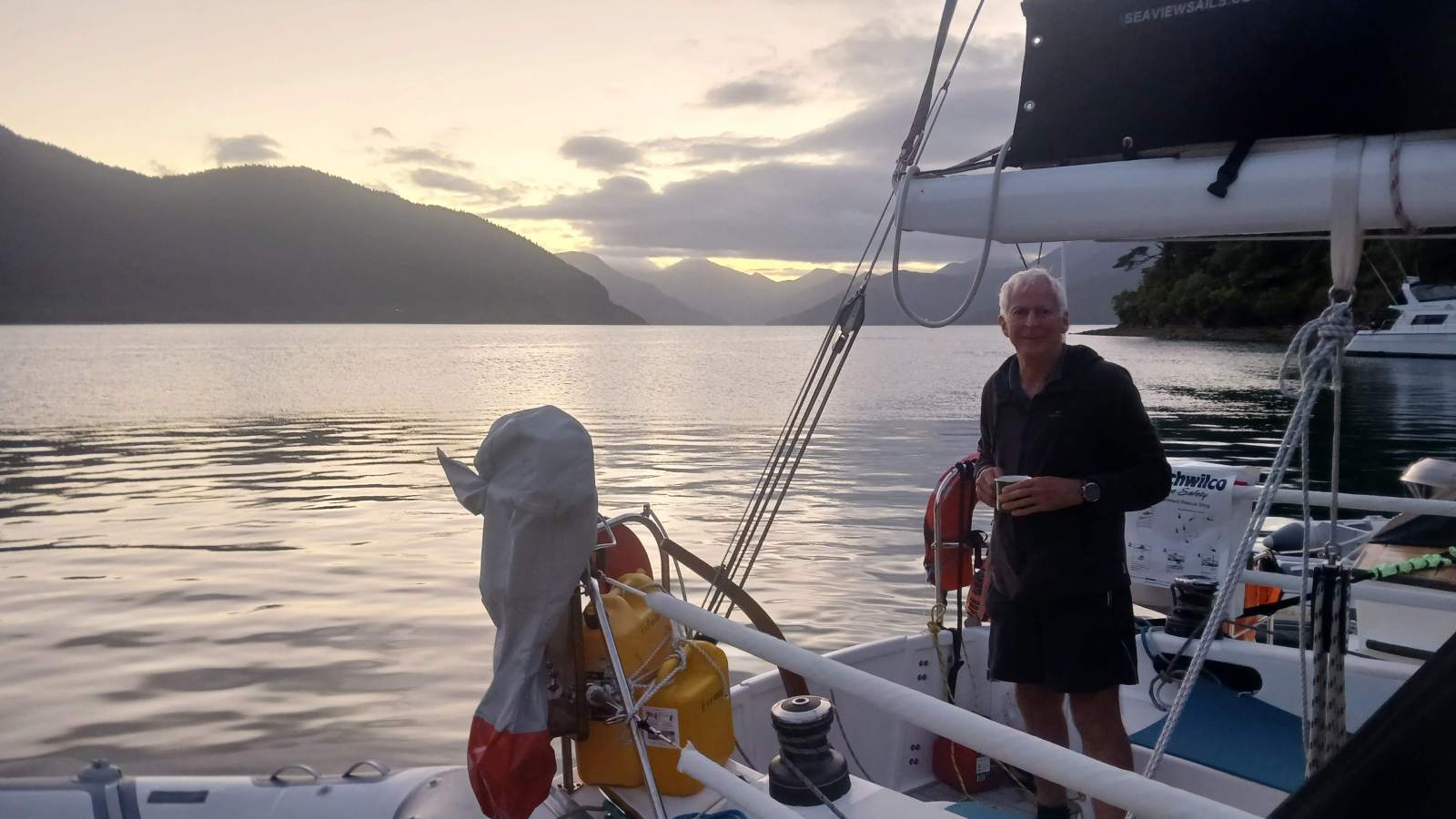
Day 5 Havelock to Yncyca Bay – 12 Jan
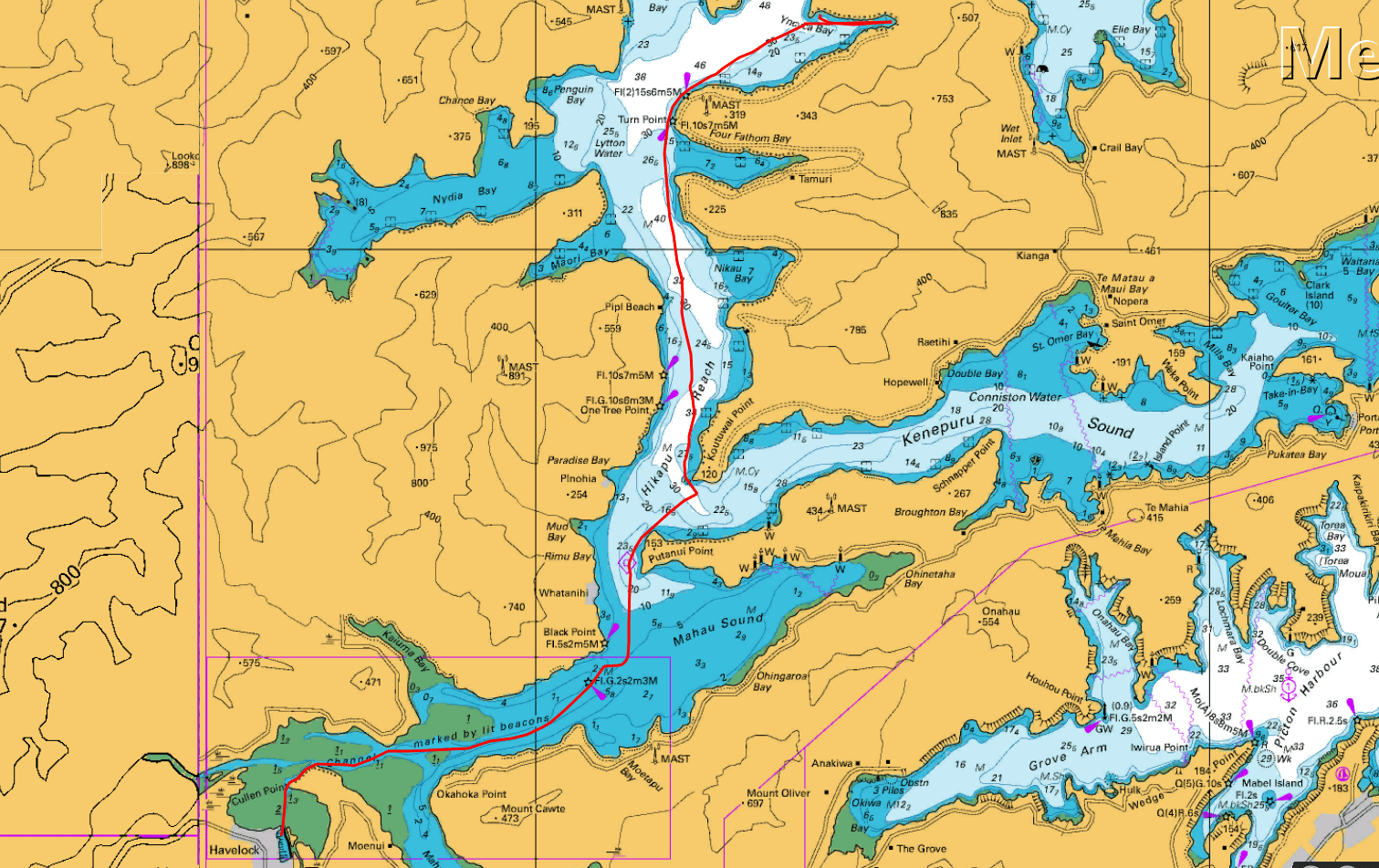
After topping up Halo’s diesel at the NPD dock, we departed Havelock at 1400 hrs, once again following Lisar through the channel markers.
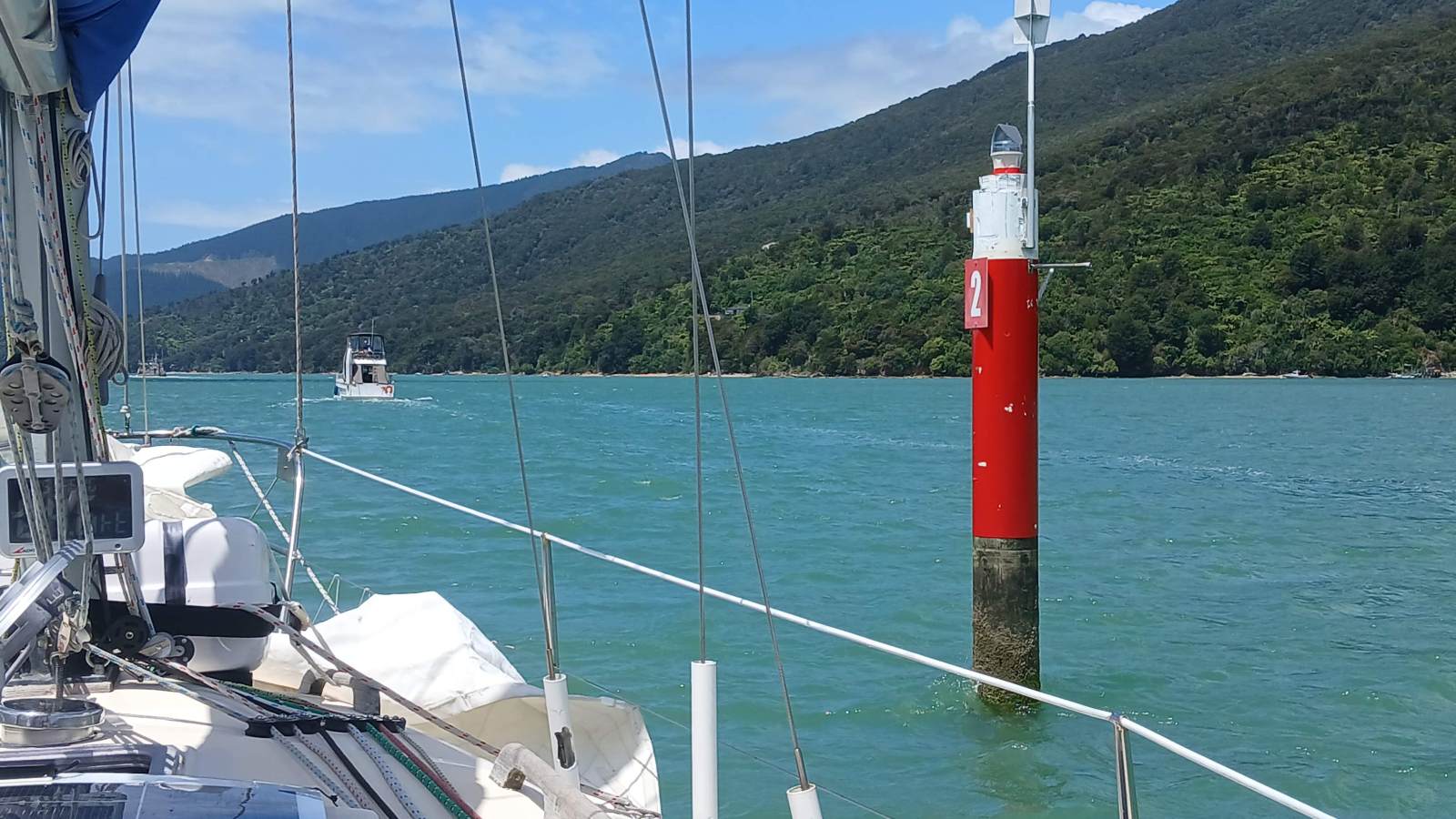
With no firm destination planned, we eventually agreed on Yncyca Bay, which promised good shelter.
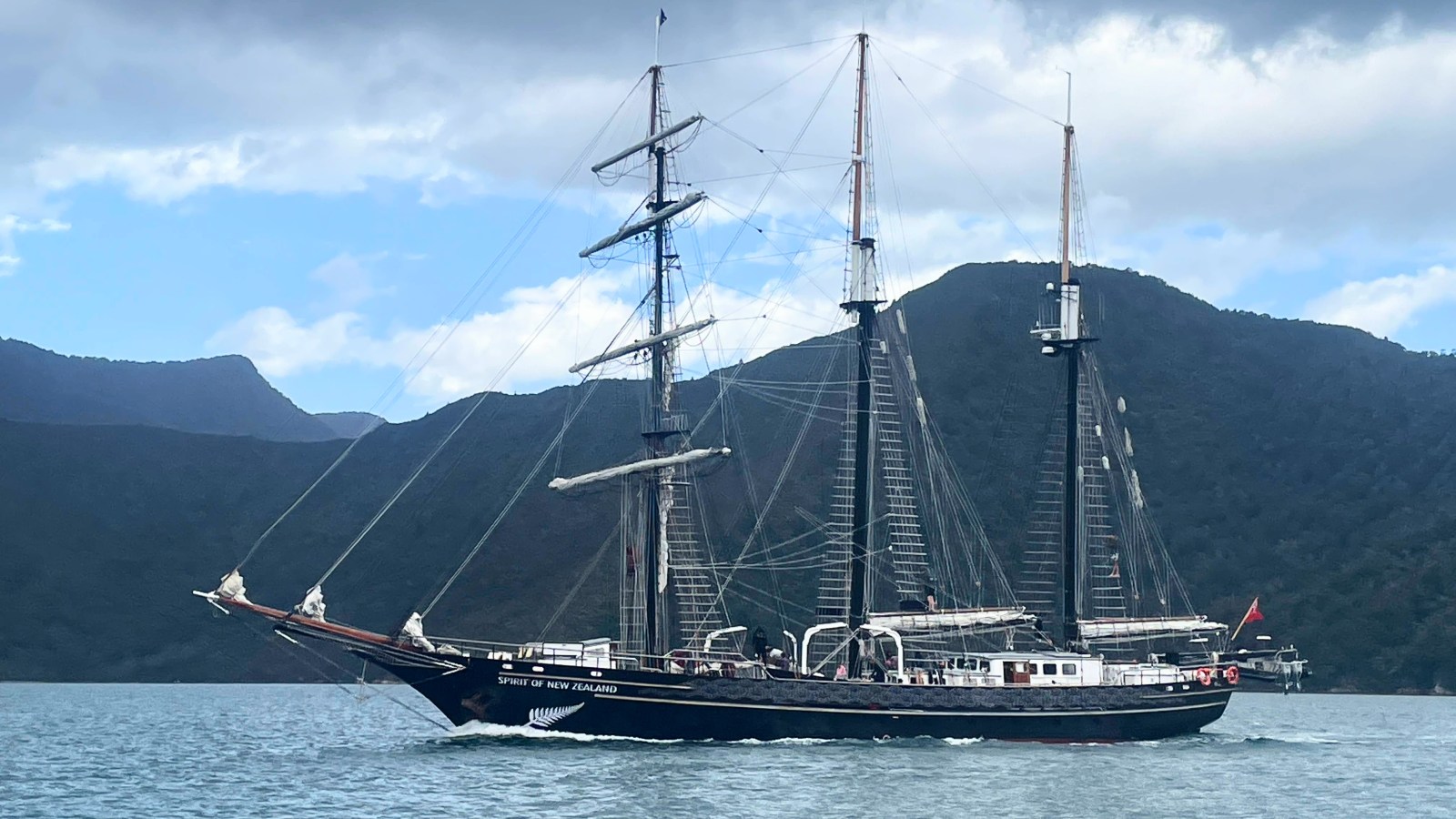
Sailing up Hikapu Reach, we crossed paths with the majestic Spirit of New Zealand tall ship — a marvellous sight.
We arrived in Yncyca at 1400 hrs, a lovely wide bay dotted with baches. Later I learned the name Yncyca (pronounced In-sika) was adopted by Mrs Tosswill, wife of an early settler, from a North American Indigenous word meaning “My Home.”
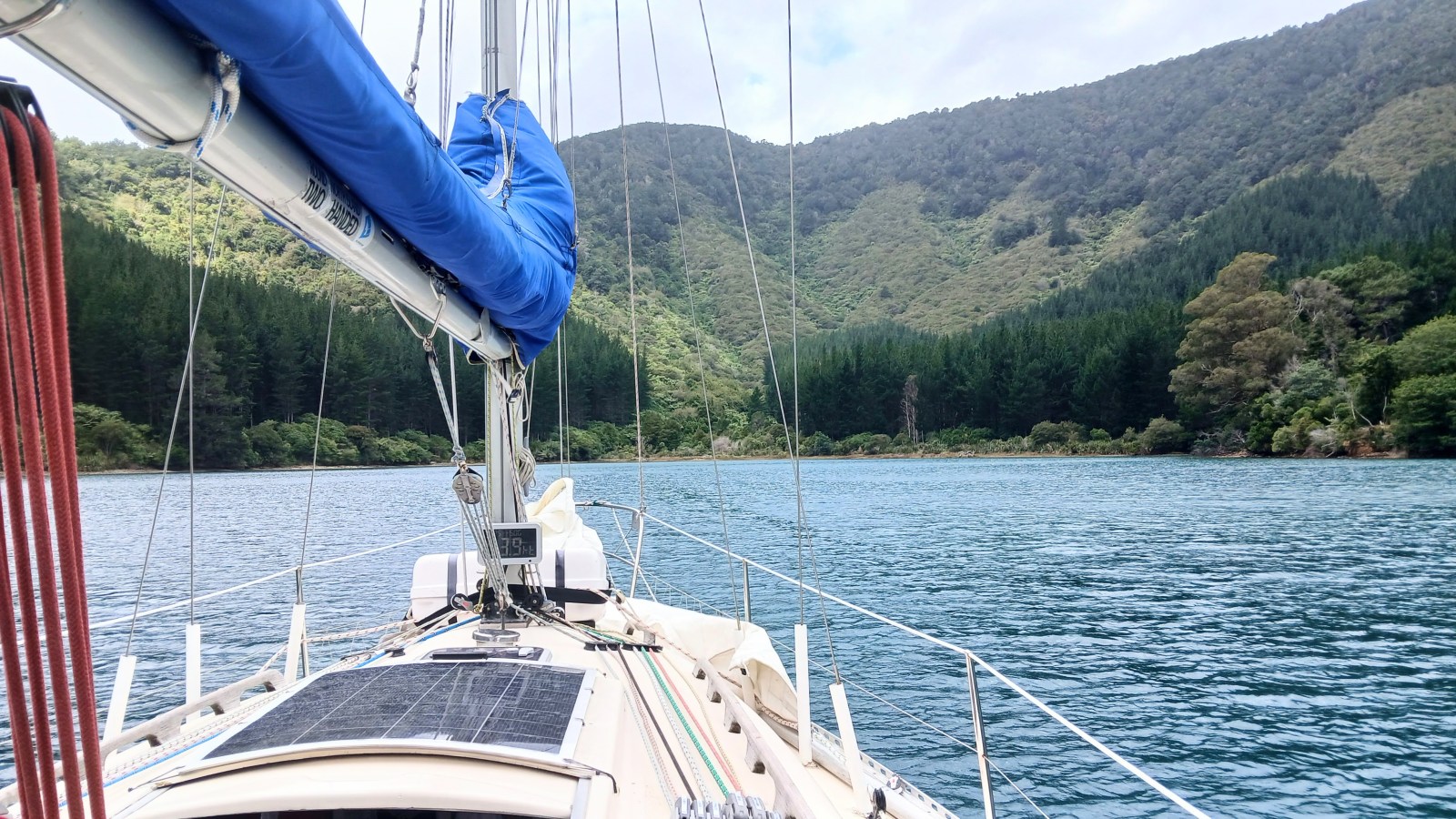
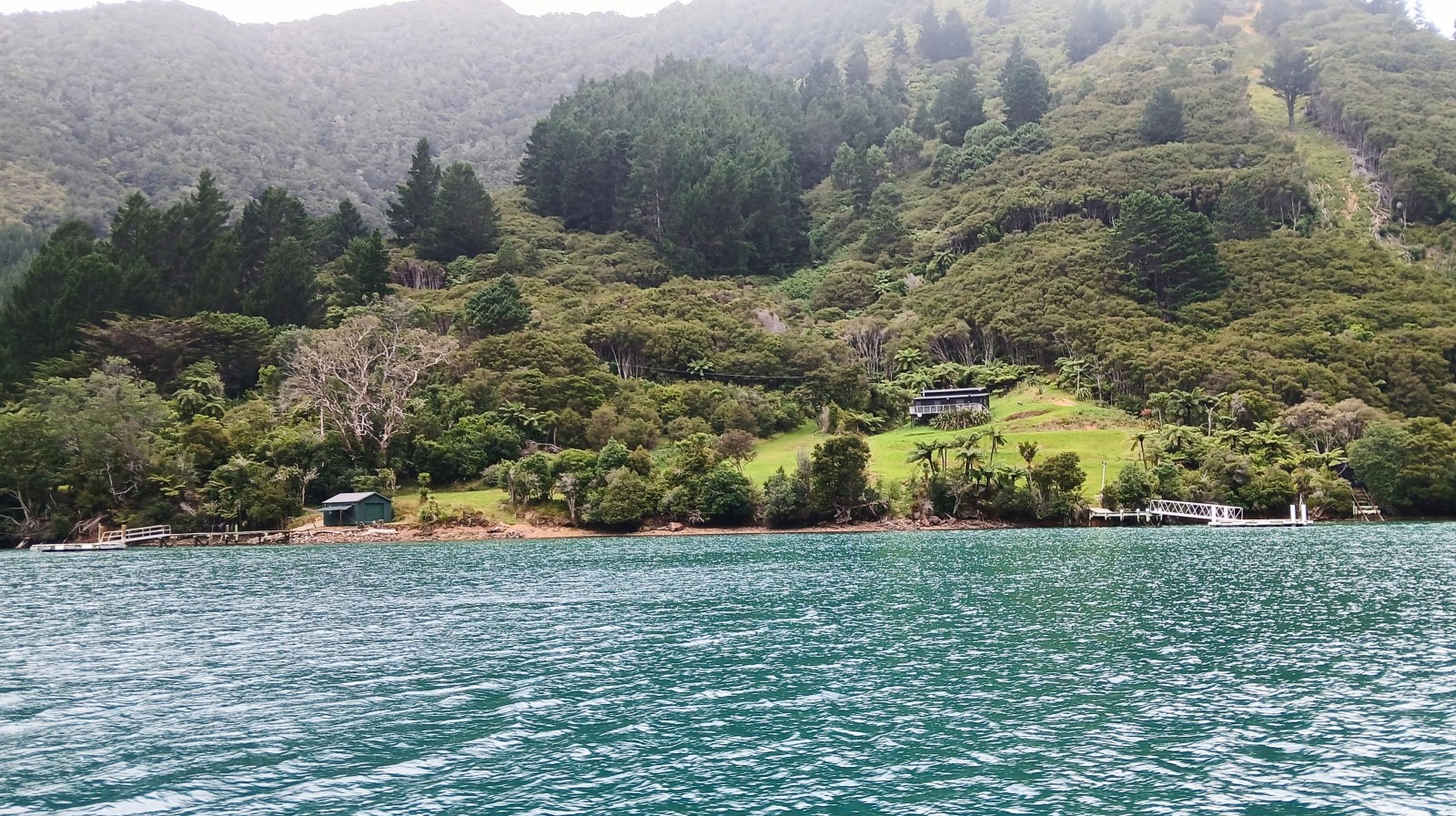
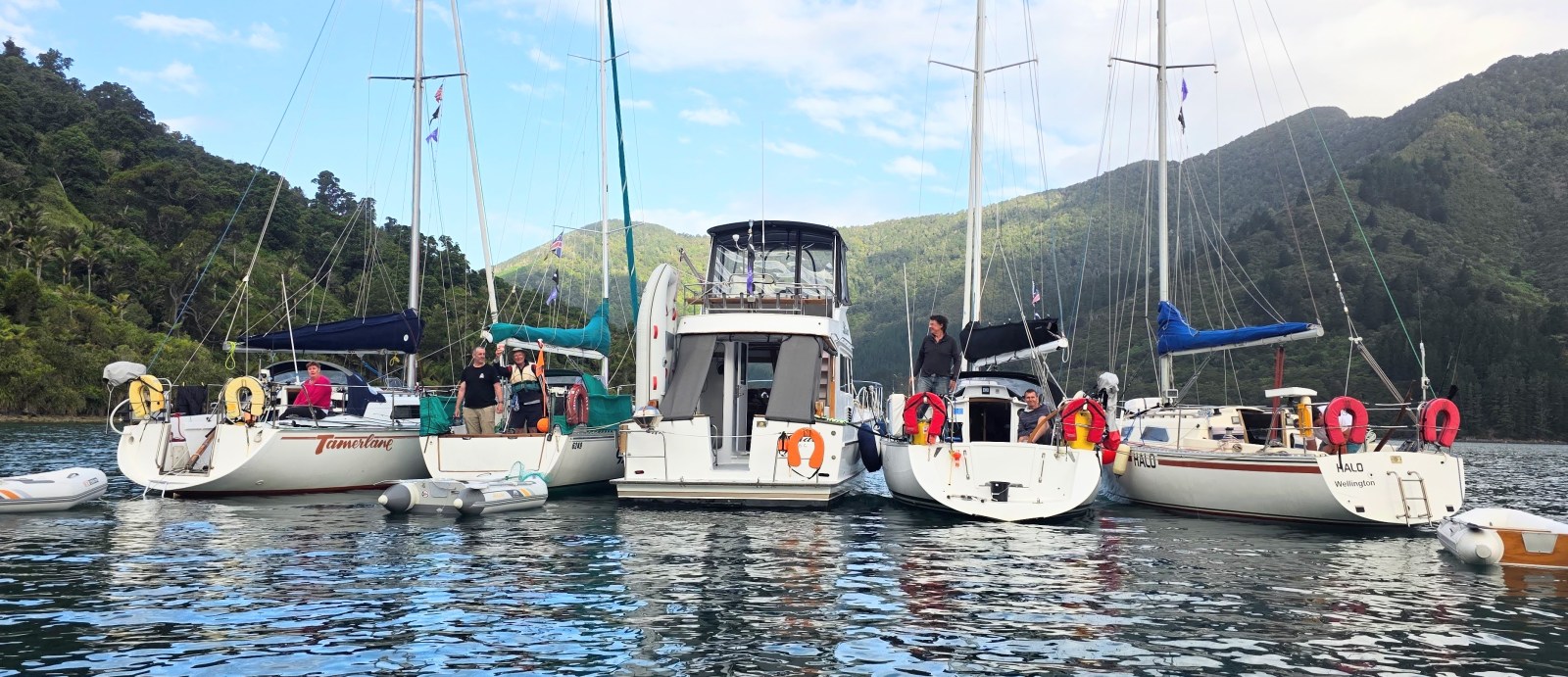
One boat occupied the club mooring, but after a friendly chat with Warren, the skipper kindly shifted to a nearby TBCC mooring so all five of our boats could use the Combined Club Mooring. Lyn thoughtfully presented him with a bottle of wine in thanks.
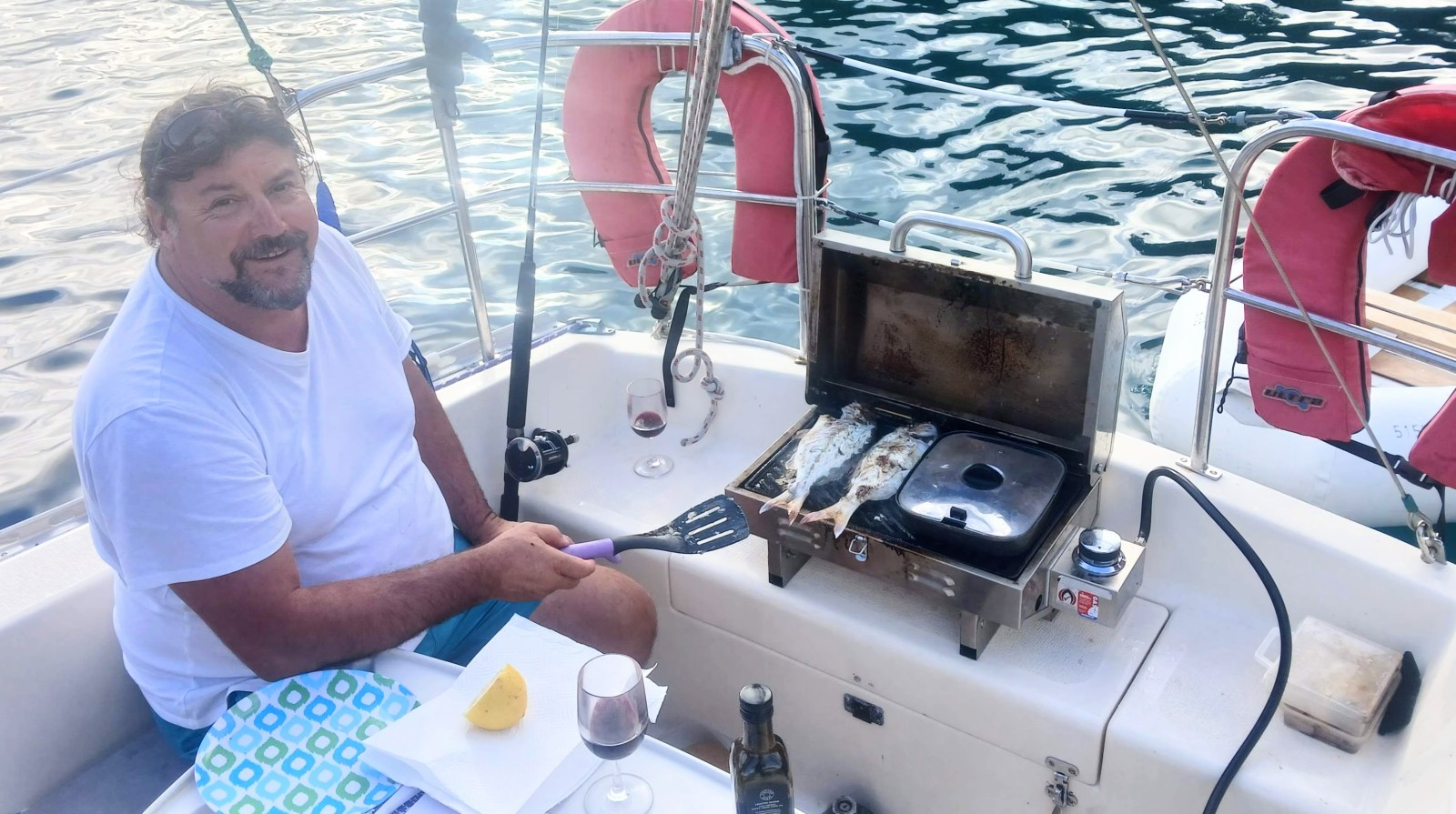
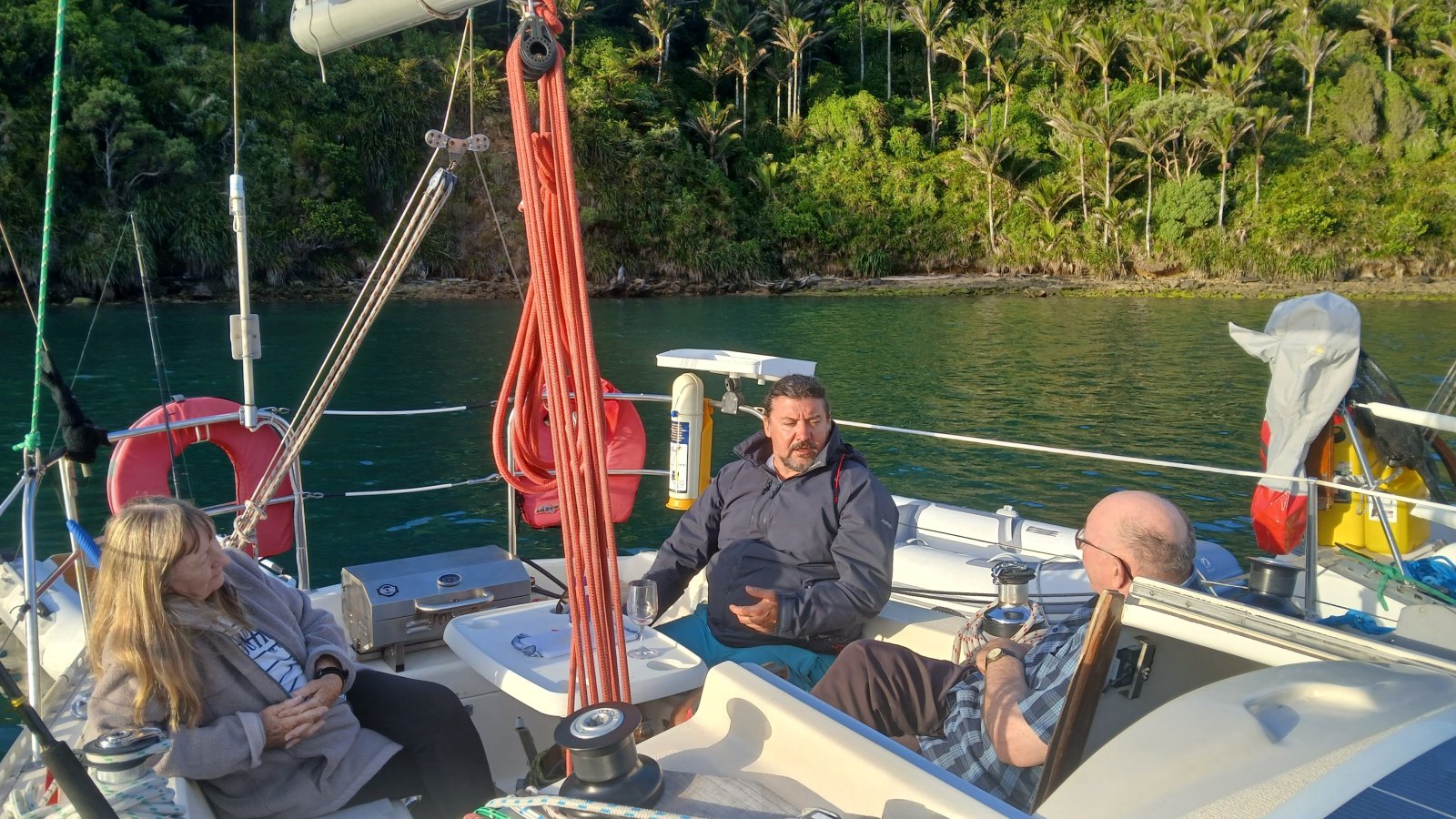
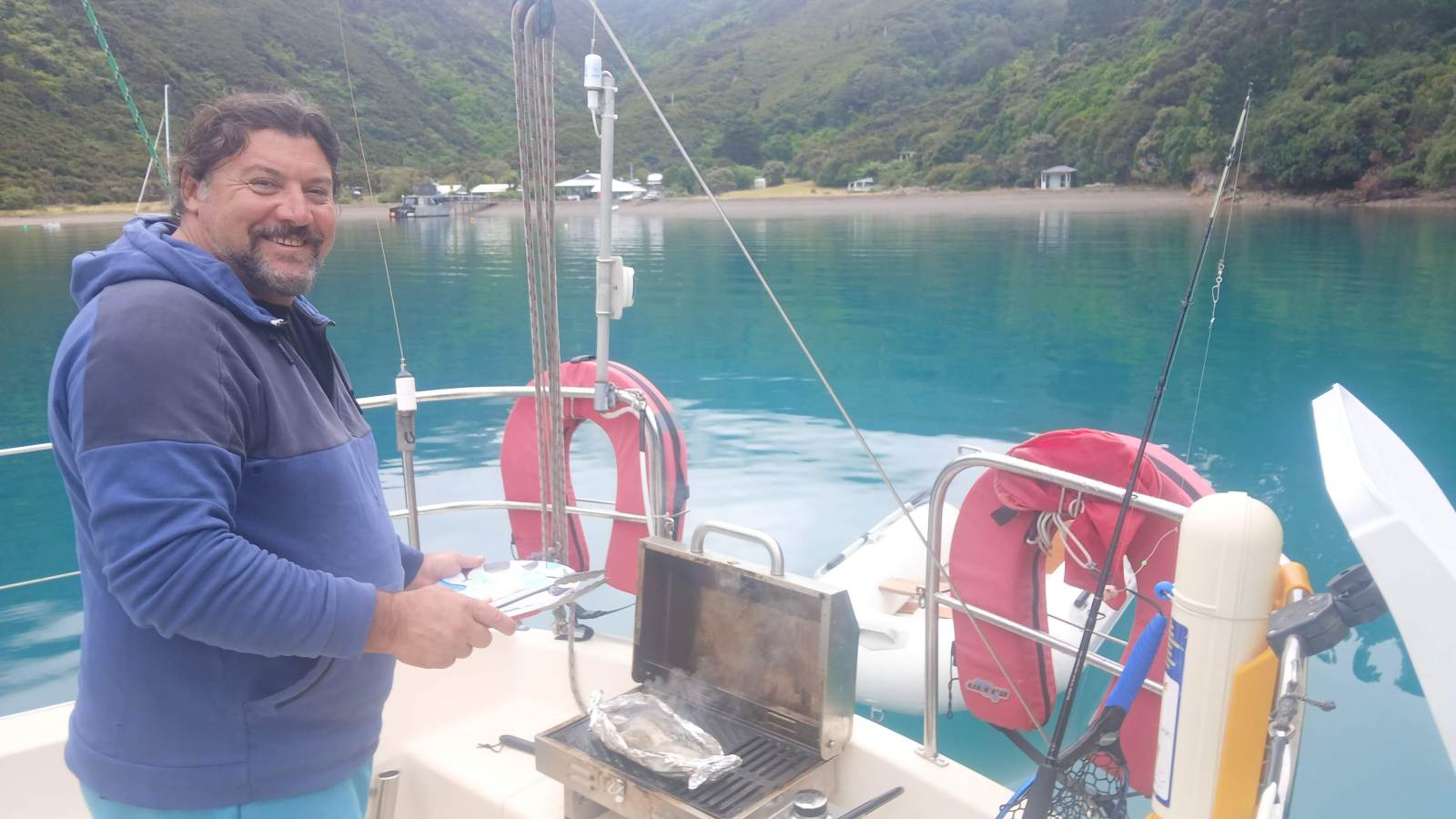
Tunch had been busy fishing, landing gurnard, blue cod — and the occasional baby shark. Dinner was cooked on the BBQ, followed by a balmy evening of socialising and ukulele.
Day 6 Yncyca Bay to Homestead Bay – 13 Jan
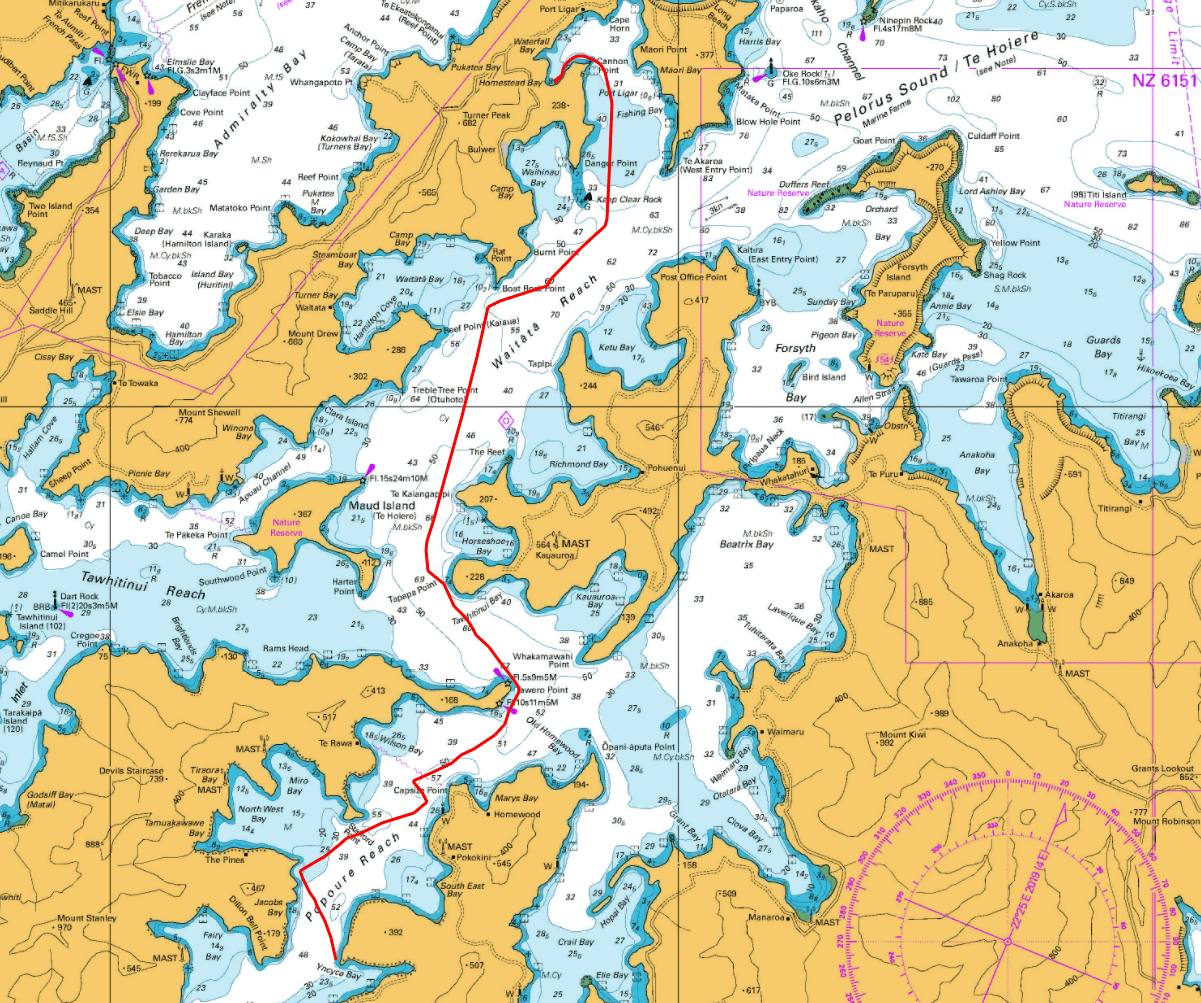
With only a short sail planned, we enjoyed a sleep-in before casting off at 1100 hrs for a relaxed sail north along Waitata Reach.
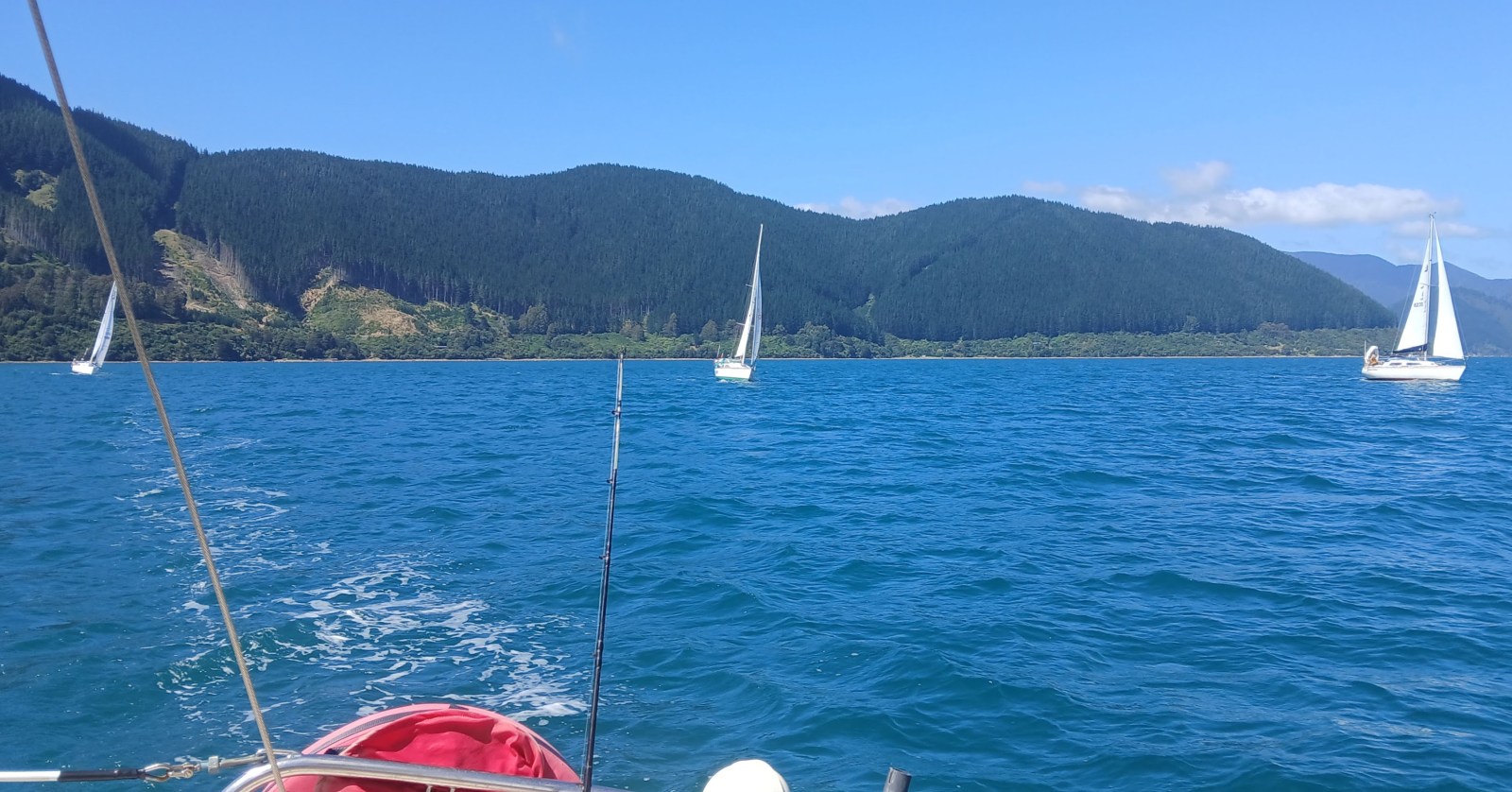
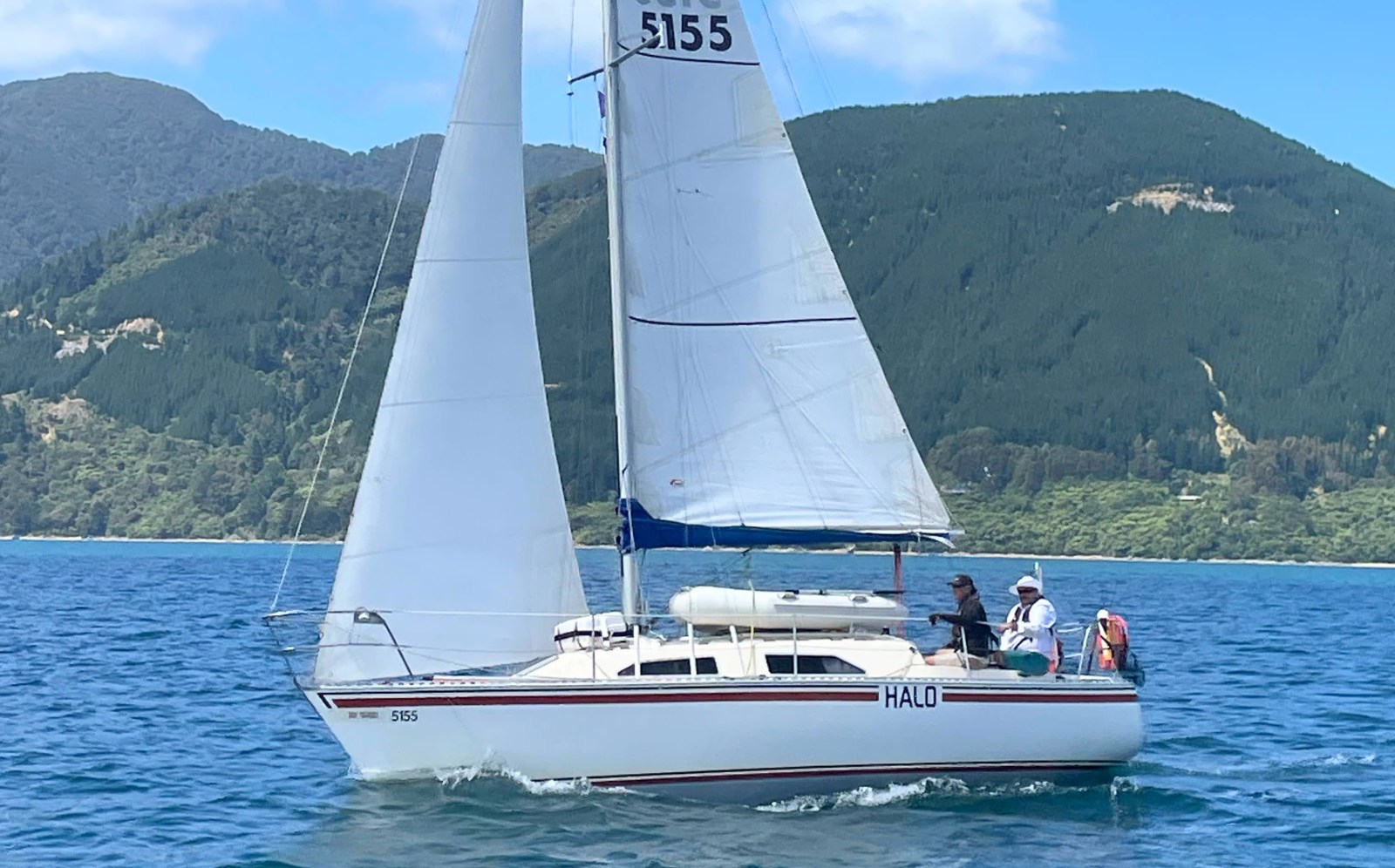
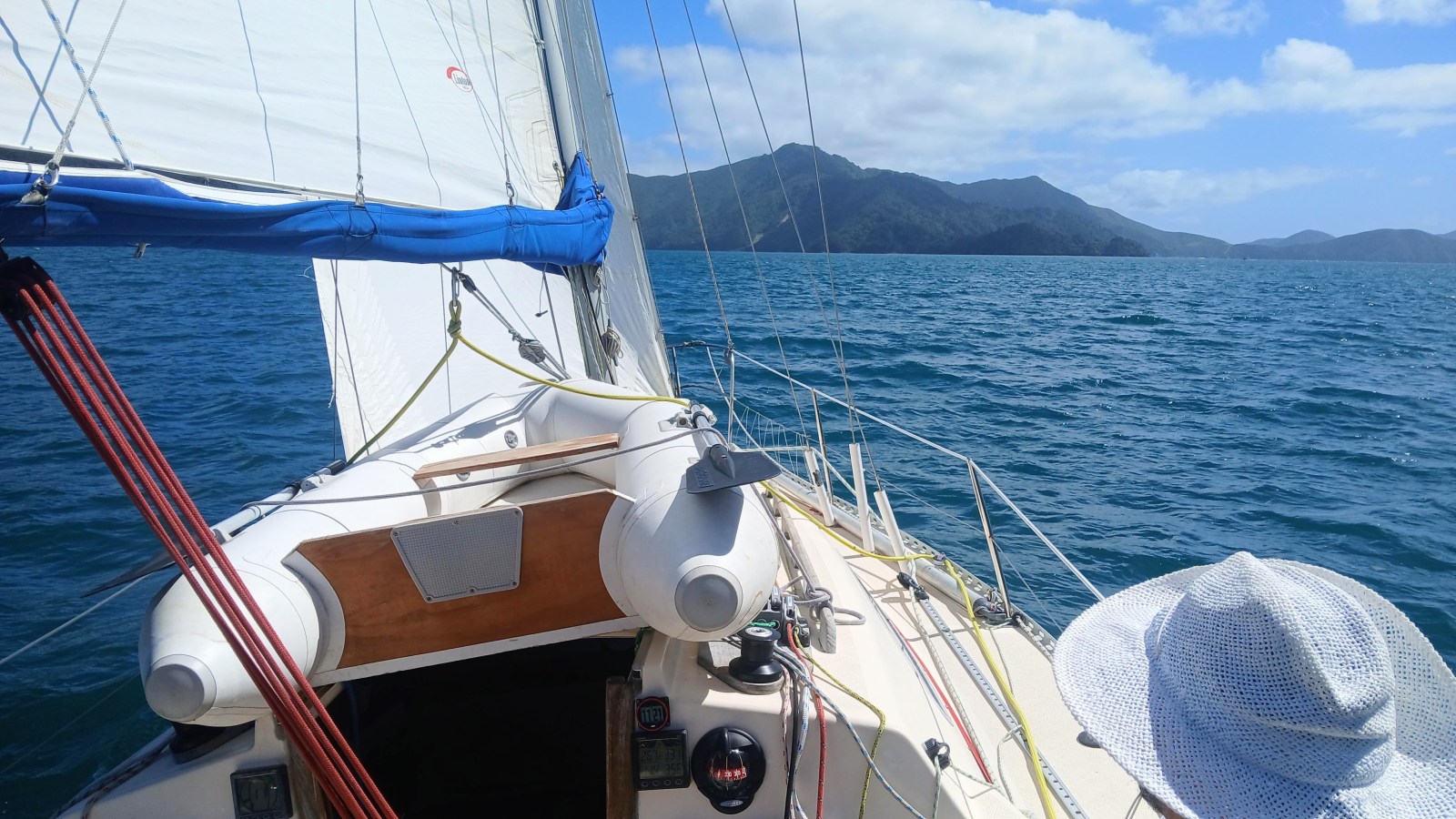
Later, with the wind on the nose, we dropped the jib and motor-sailed past Keep Clear Rock and into Ligar Bay, where Lisar was waiting. We arrived in beautifully sheltered Homestead Bay at 1335 hrs
A great swimming spot, followed by Turkish kebabs aboard Halo. Delicious.
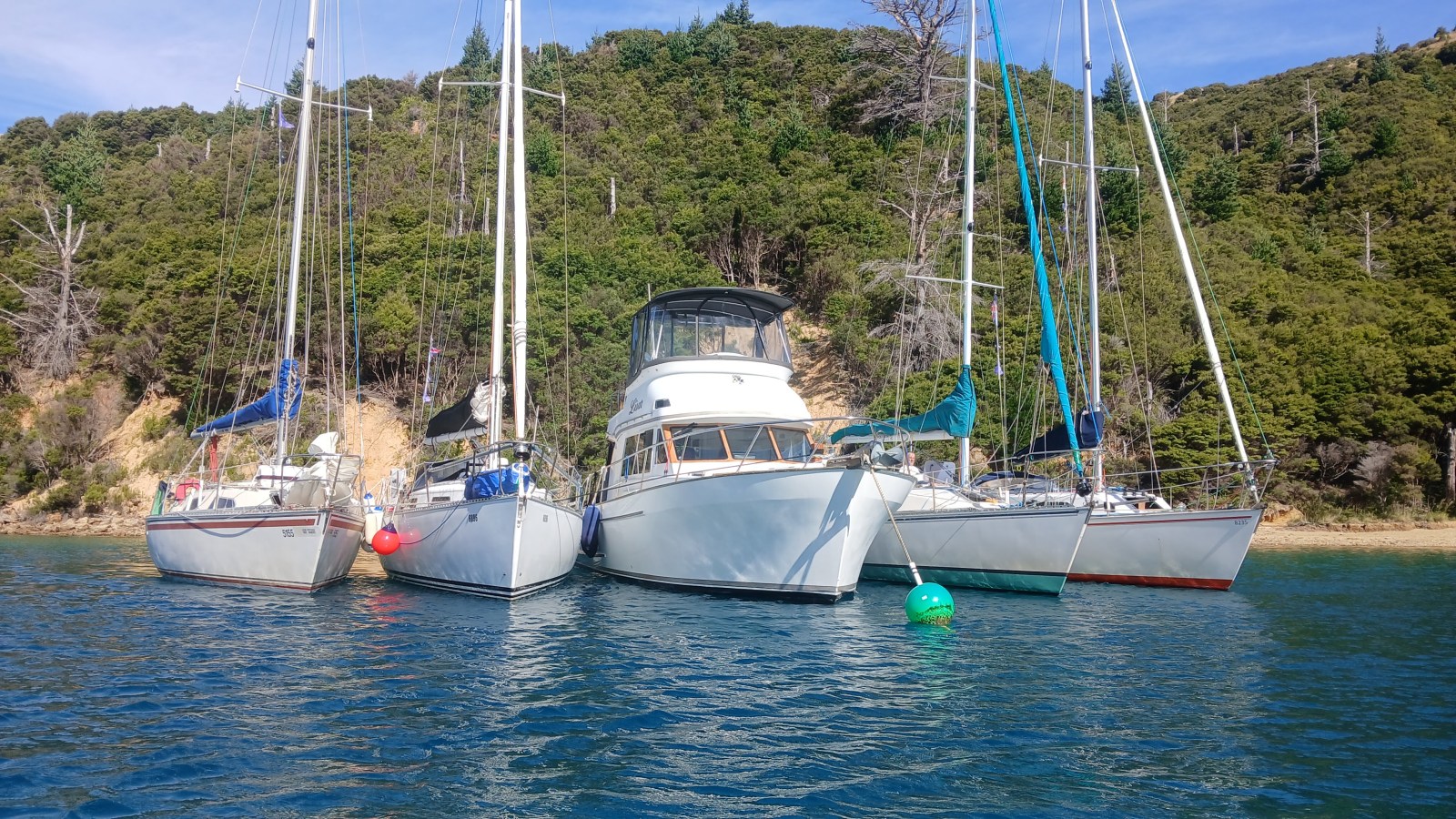
Day 7 Homestead Bay to Catherine Cove – 14 Jan
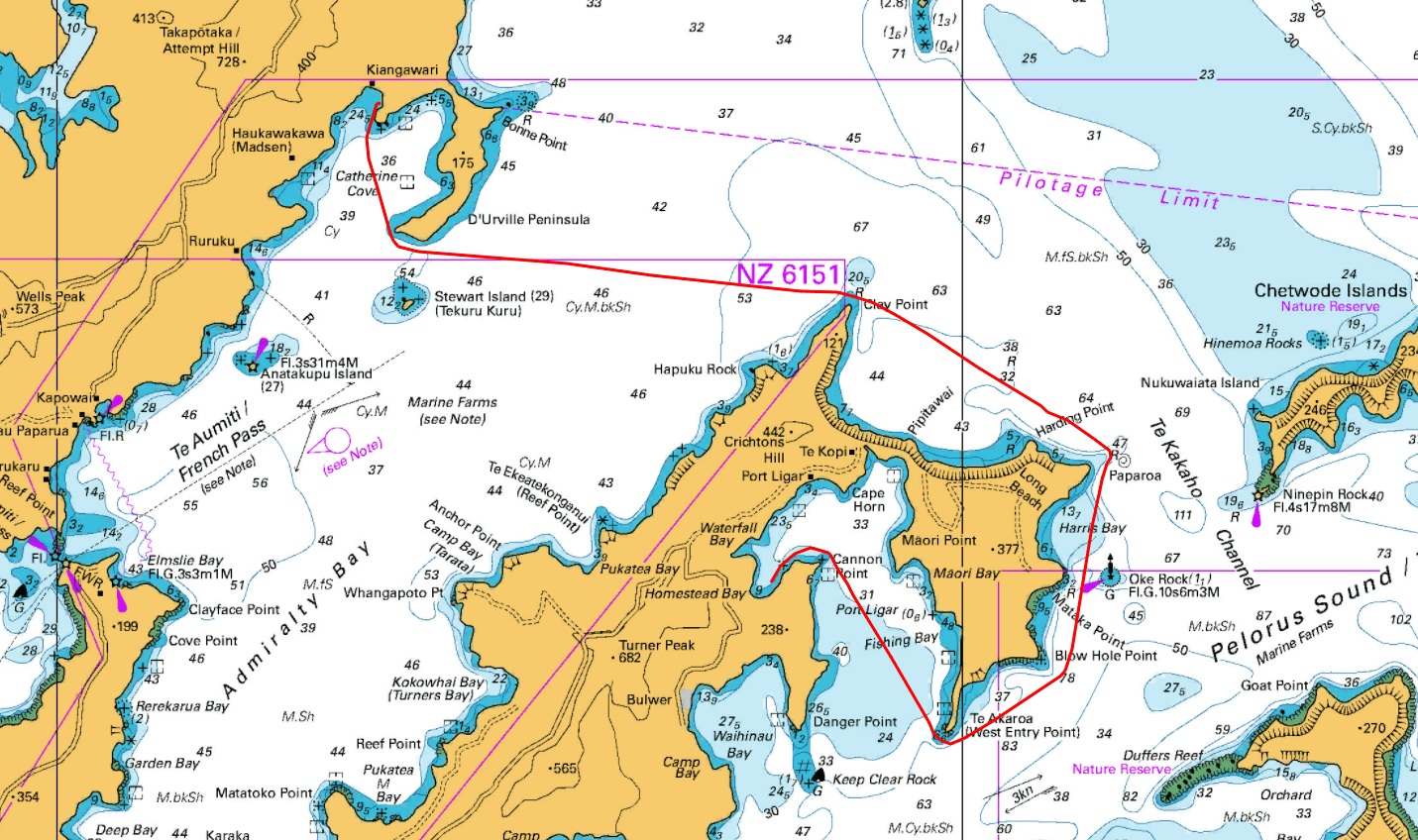
We slipped our mooring at 0730 hrs, said au revoir to Lyn and Warren, and continued on toward D’Urville Island.
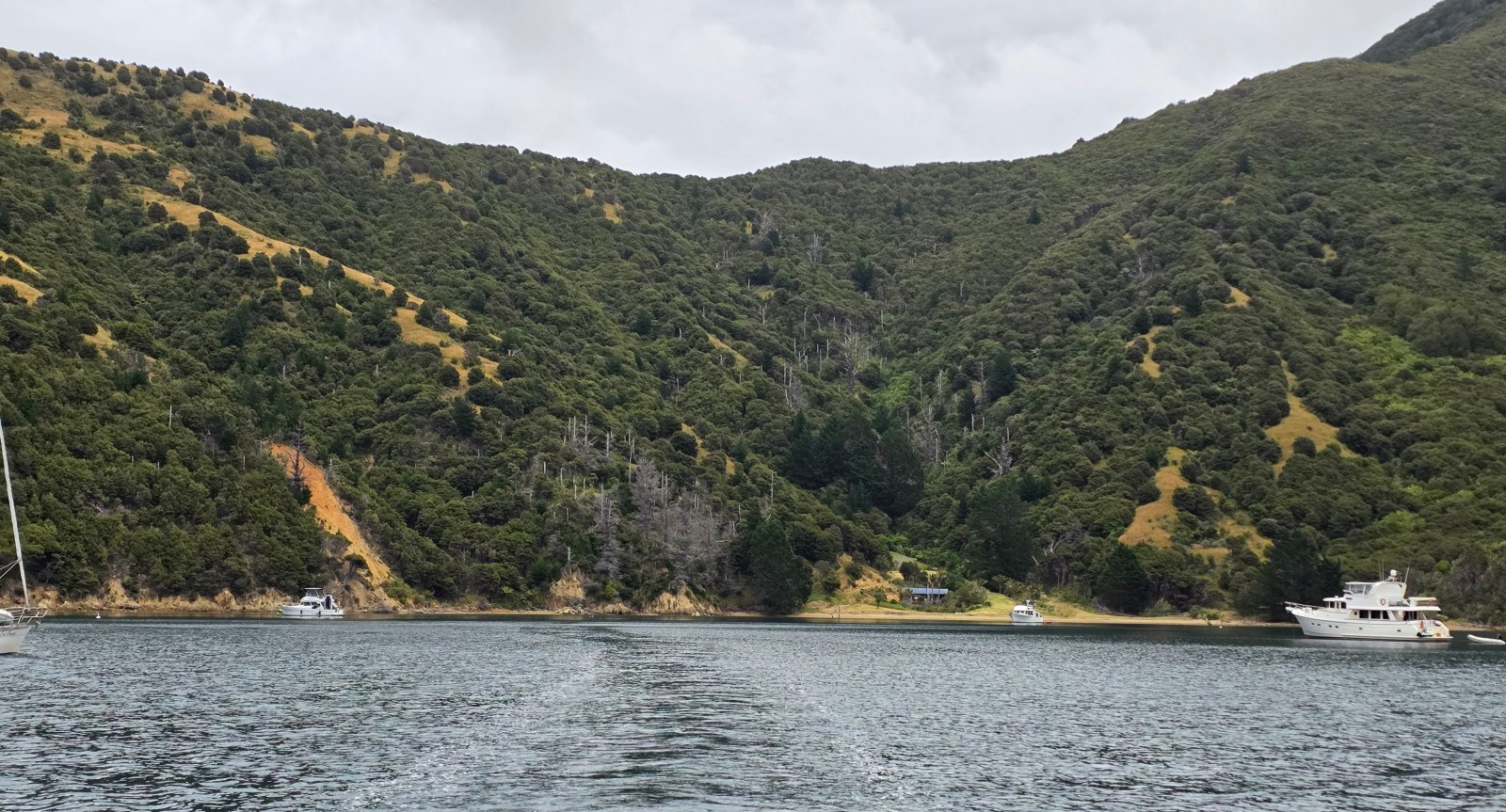
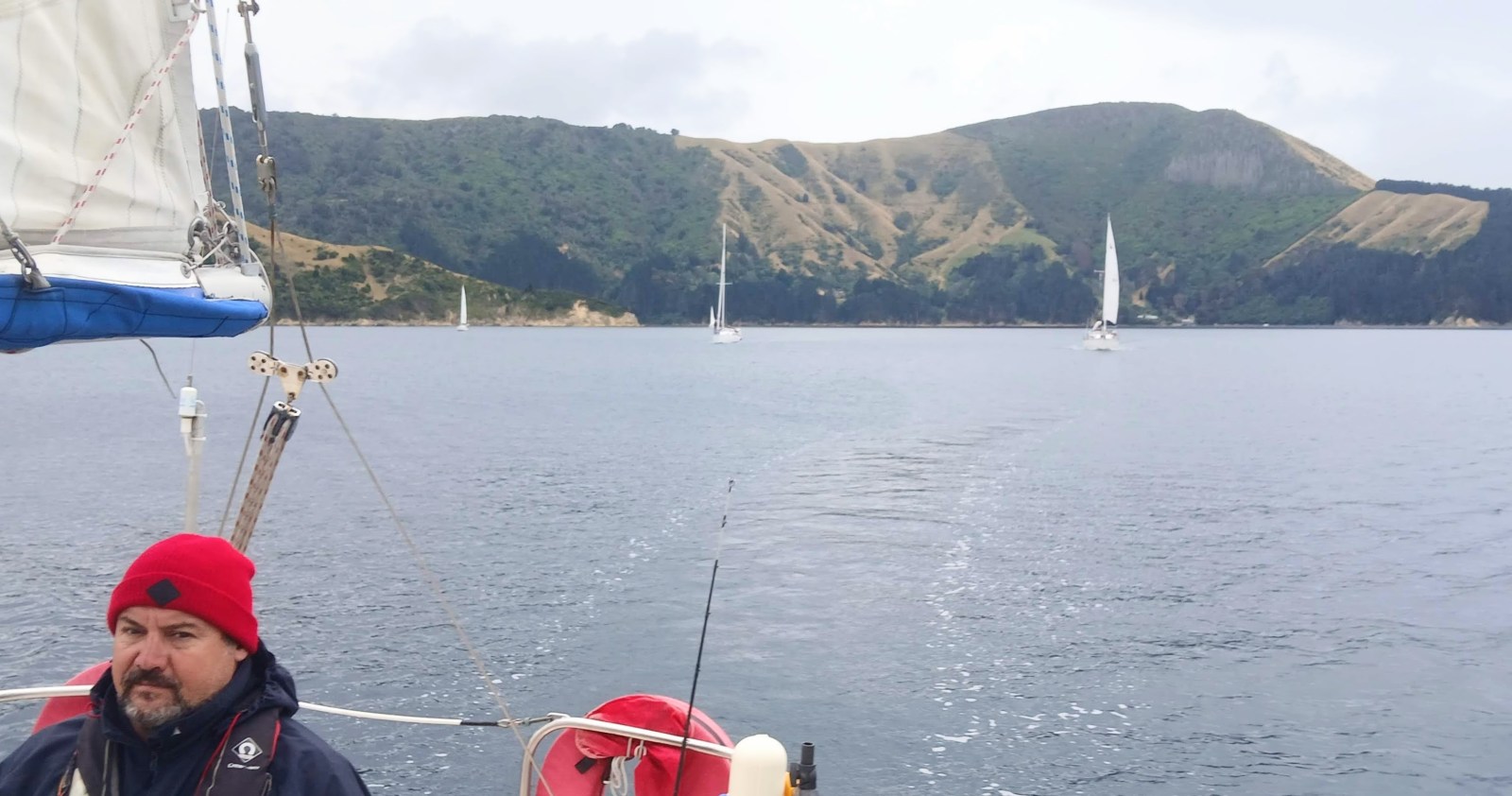
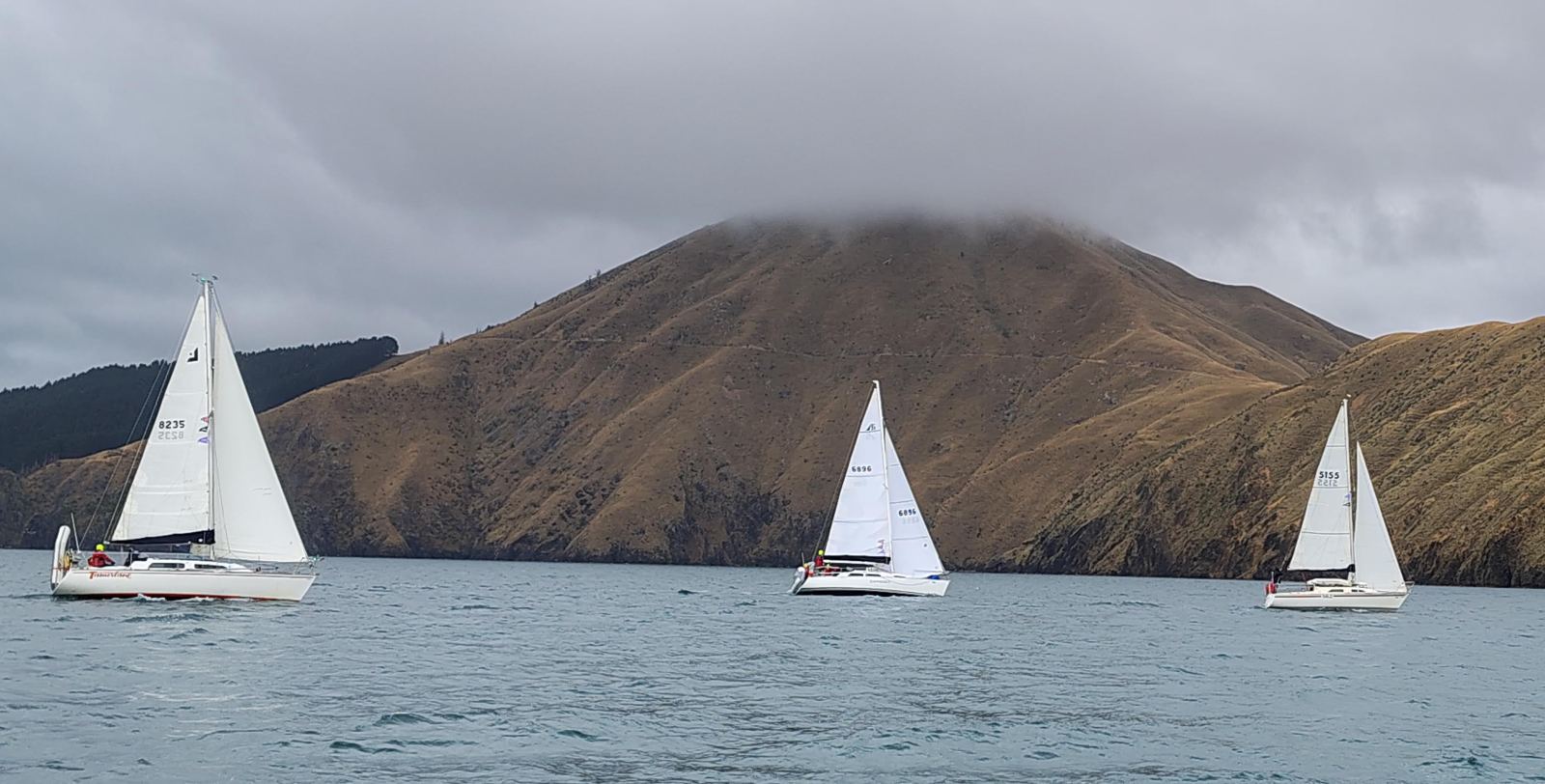
Under overcast skies we alternated between sailing and motor-sailing out of Pelorus Sound, past the Chetwode Islands and Clay Point, before entering Admiralty Bay. We arrived at Catherine Cove at 1140 hrs, where I had called ahead to confirm mooring availability — one for each boat.
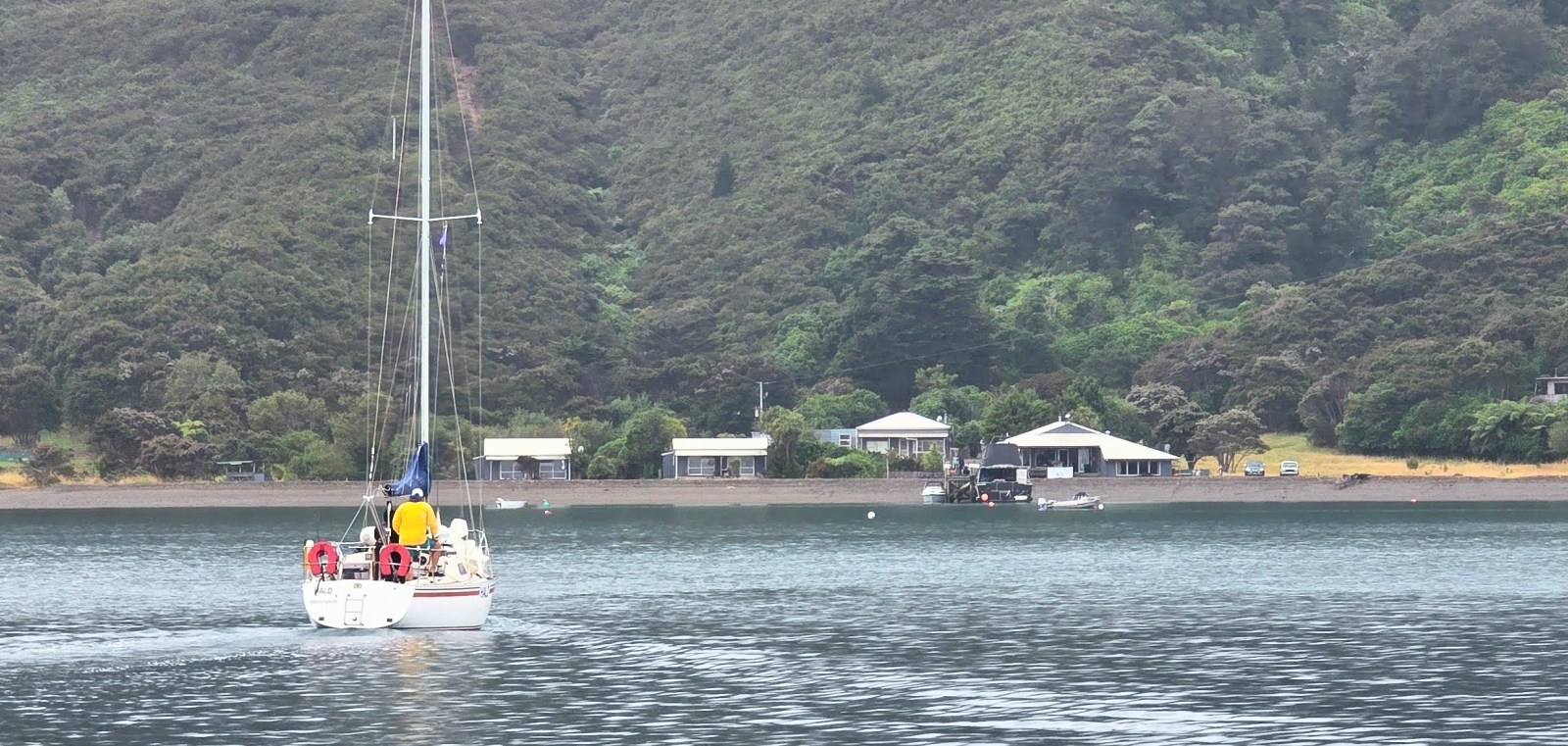
Tunch caught some fine snapper for lunch. In the afternoon we went ashore for a walk to the waterfall (with Tunch jumping in for a refreshing swim) and a hike up the four-wheel-drive track.
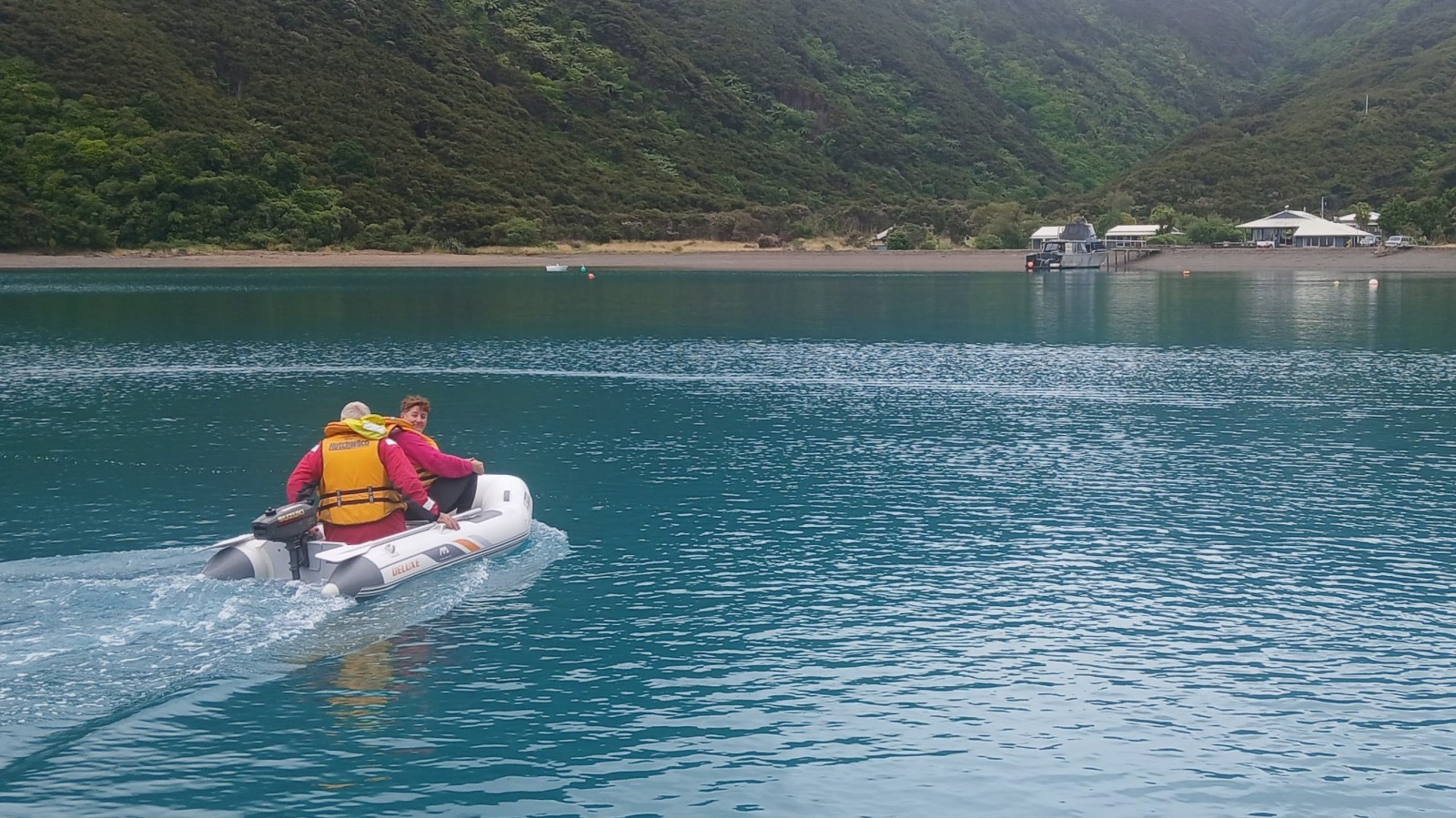
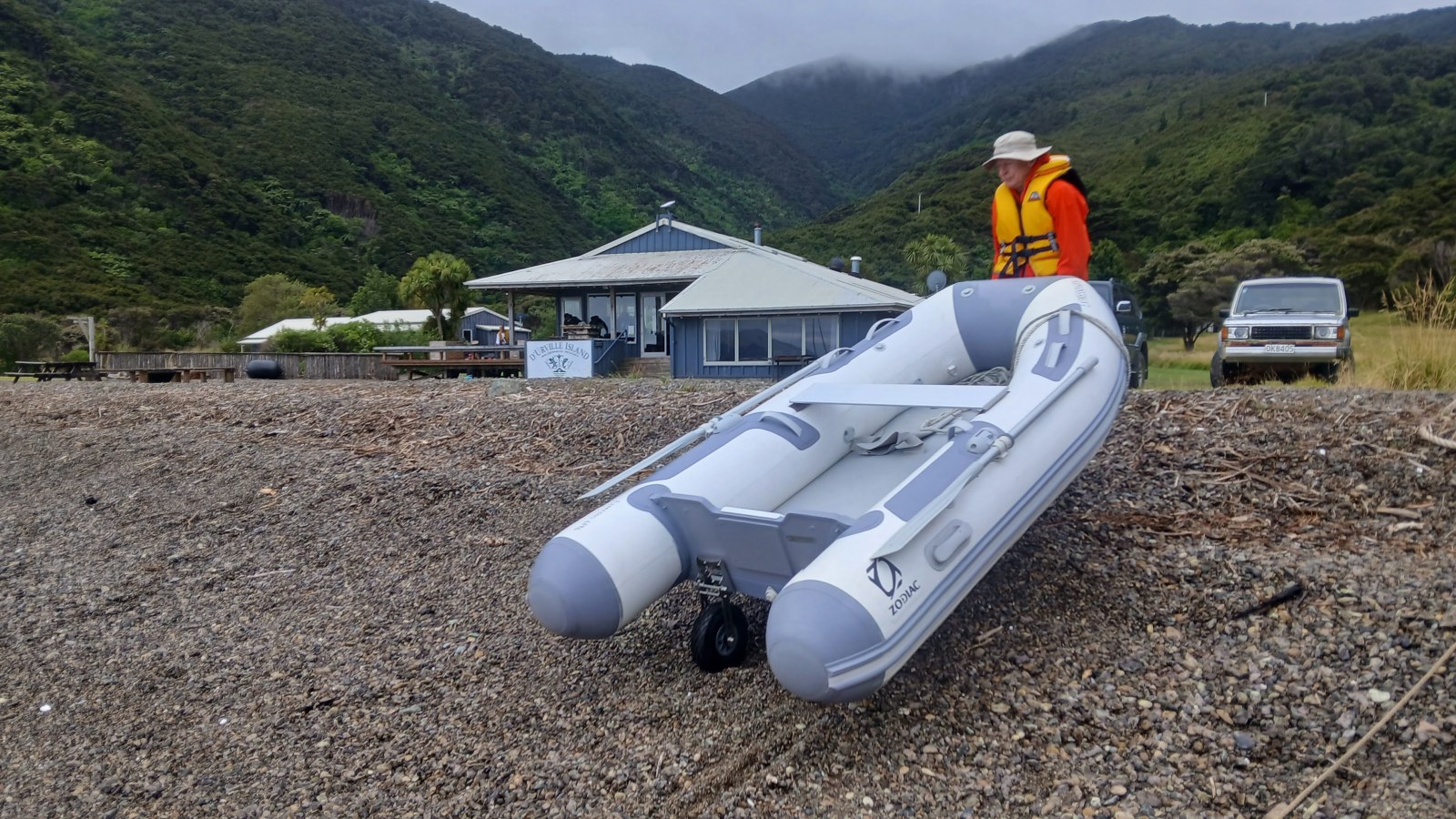
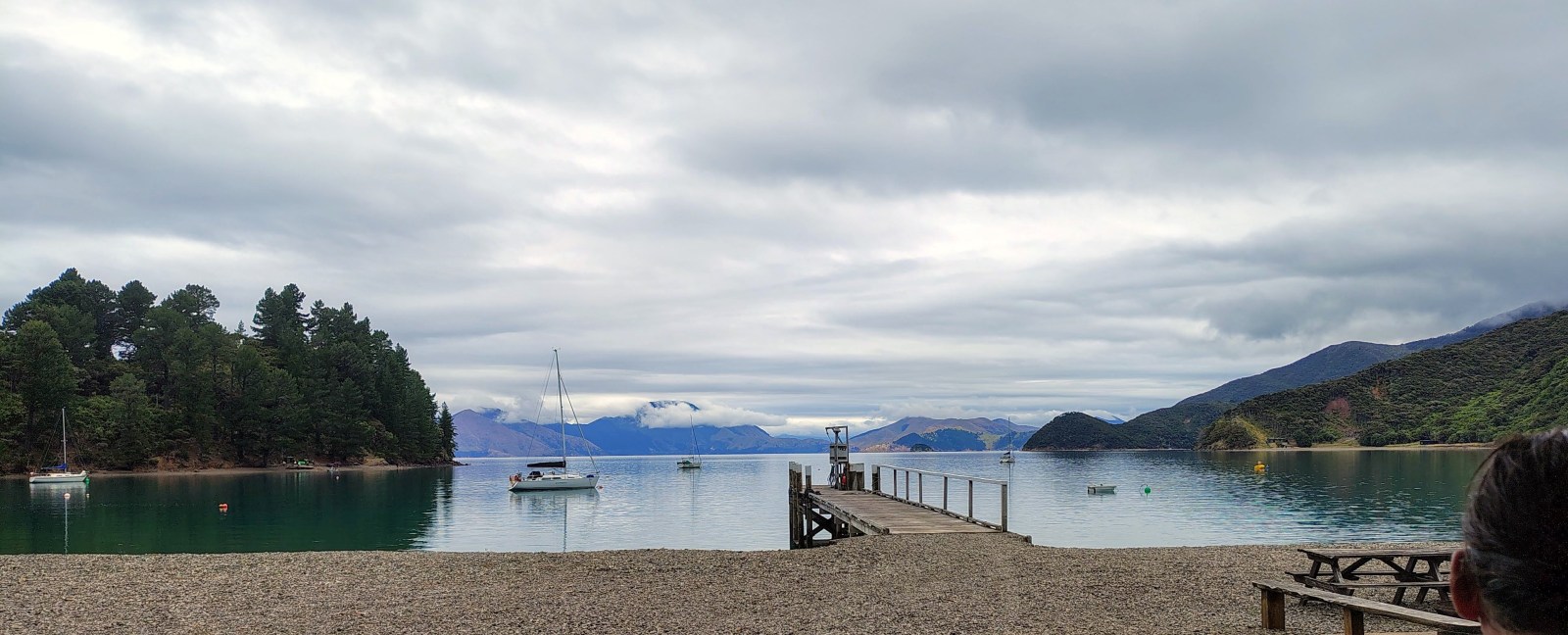
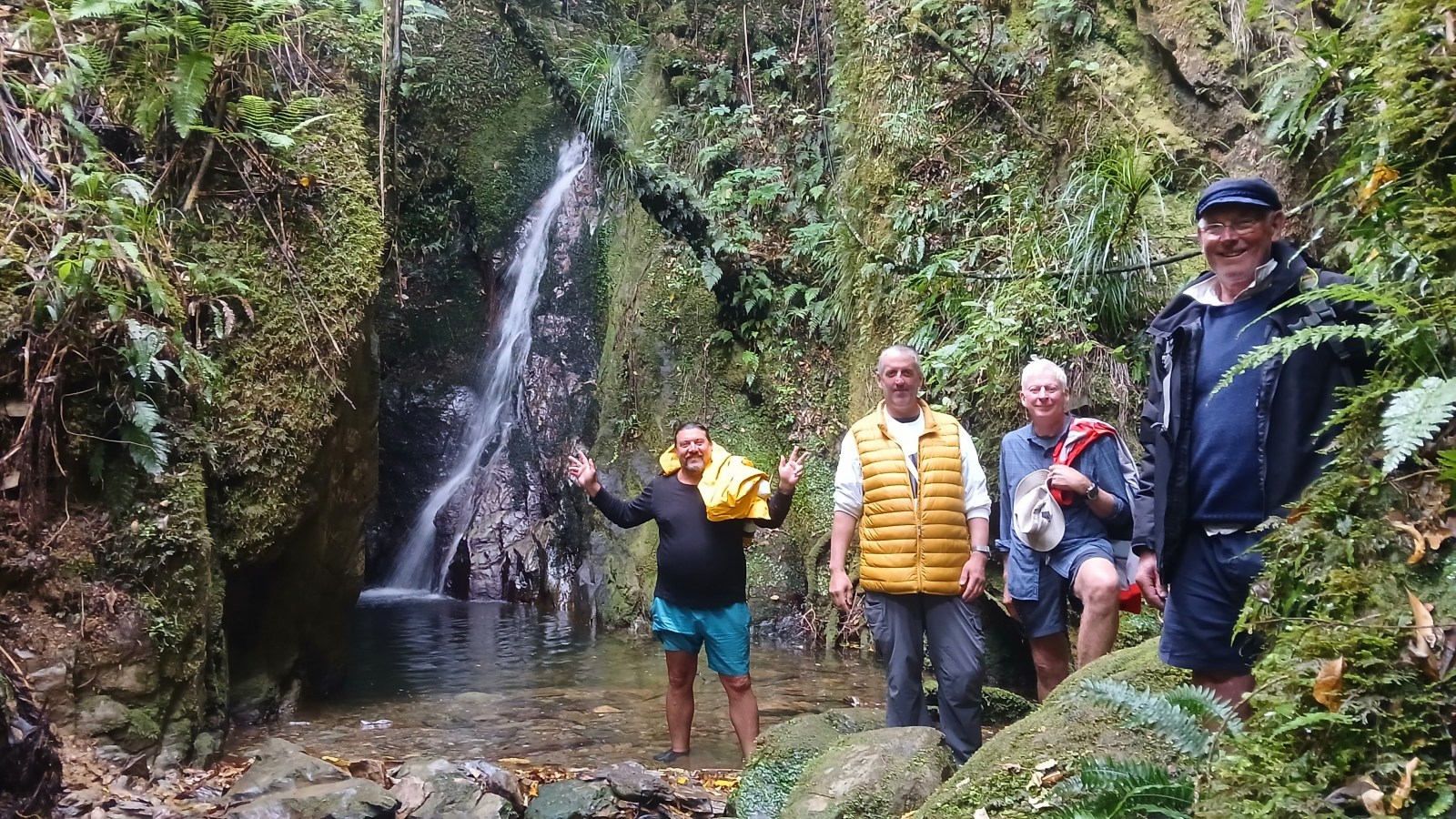
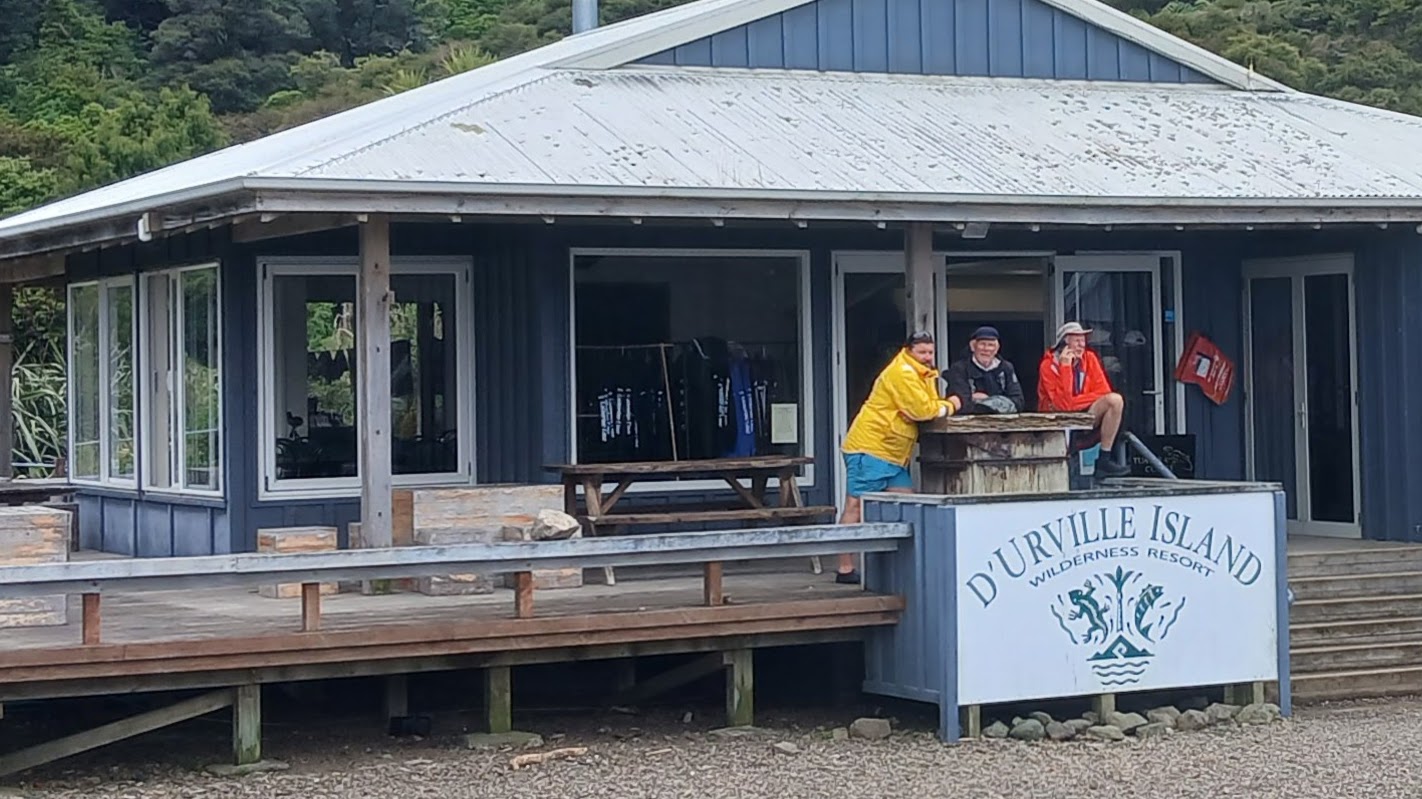
We later learned that the lodge has been sold and will become a private residence, with all moorings to be removed — a real shame, as it’s long been a favourite stop before and after French Pass.
Heavy rain set in that night.
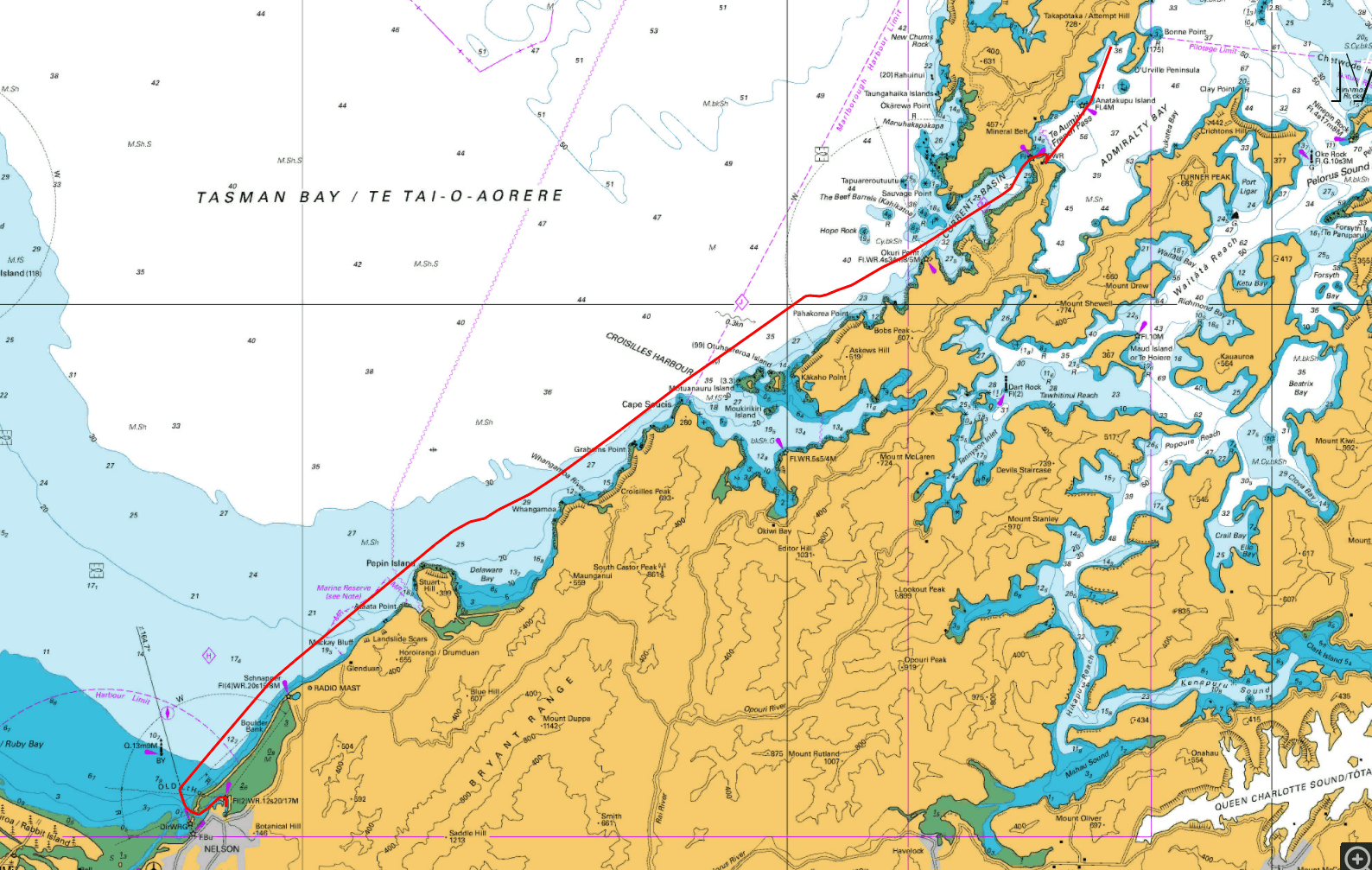
Day 8 Catherine Cove to Nelson – 15 Jan
Our final day. We cast off at 0930 hrs, and at last the rain eased as we motor-sailed down Admiralty Bay toward French Pass village at Elmslie Bay in a light southerly. We tied up at the wharf, two boats on each side.
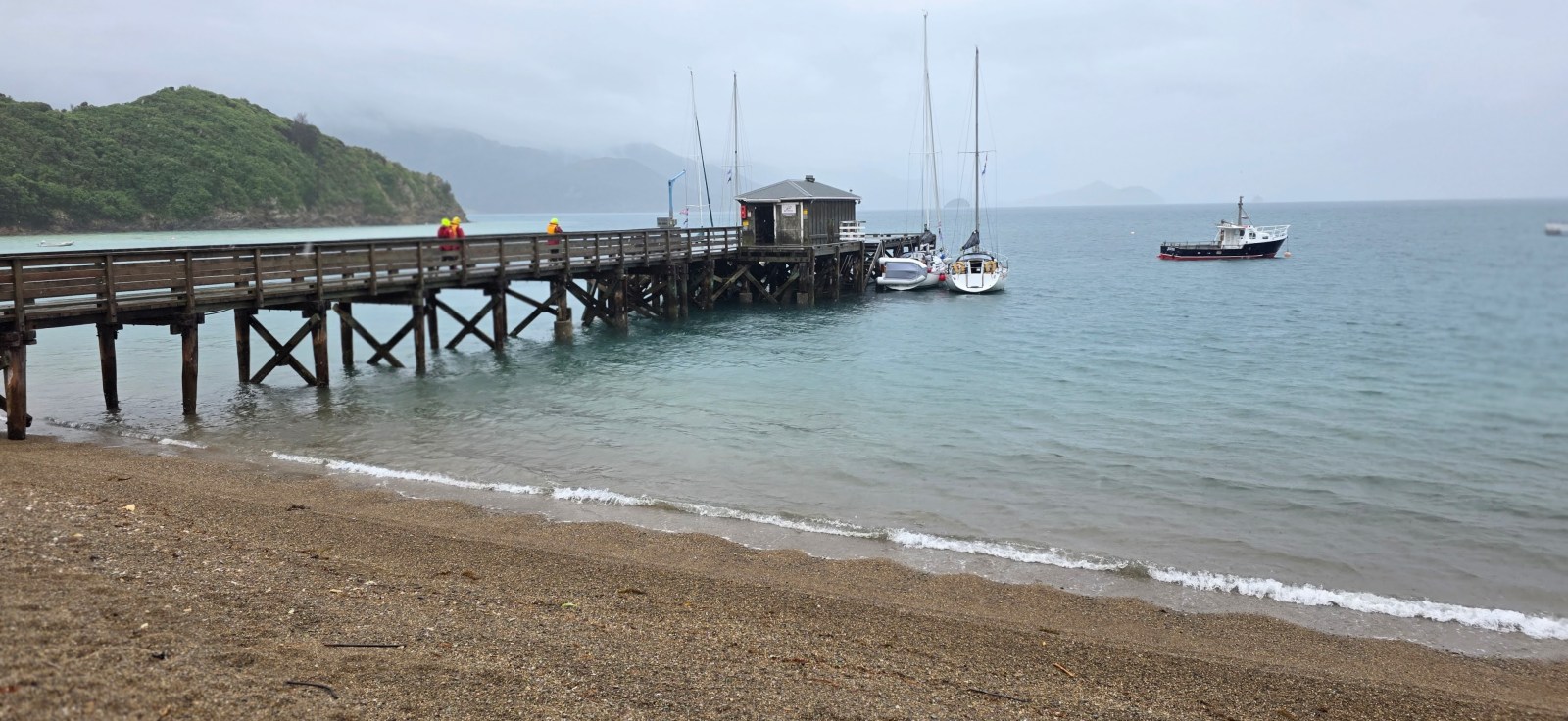
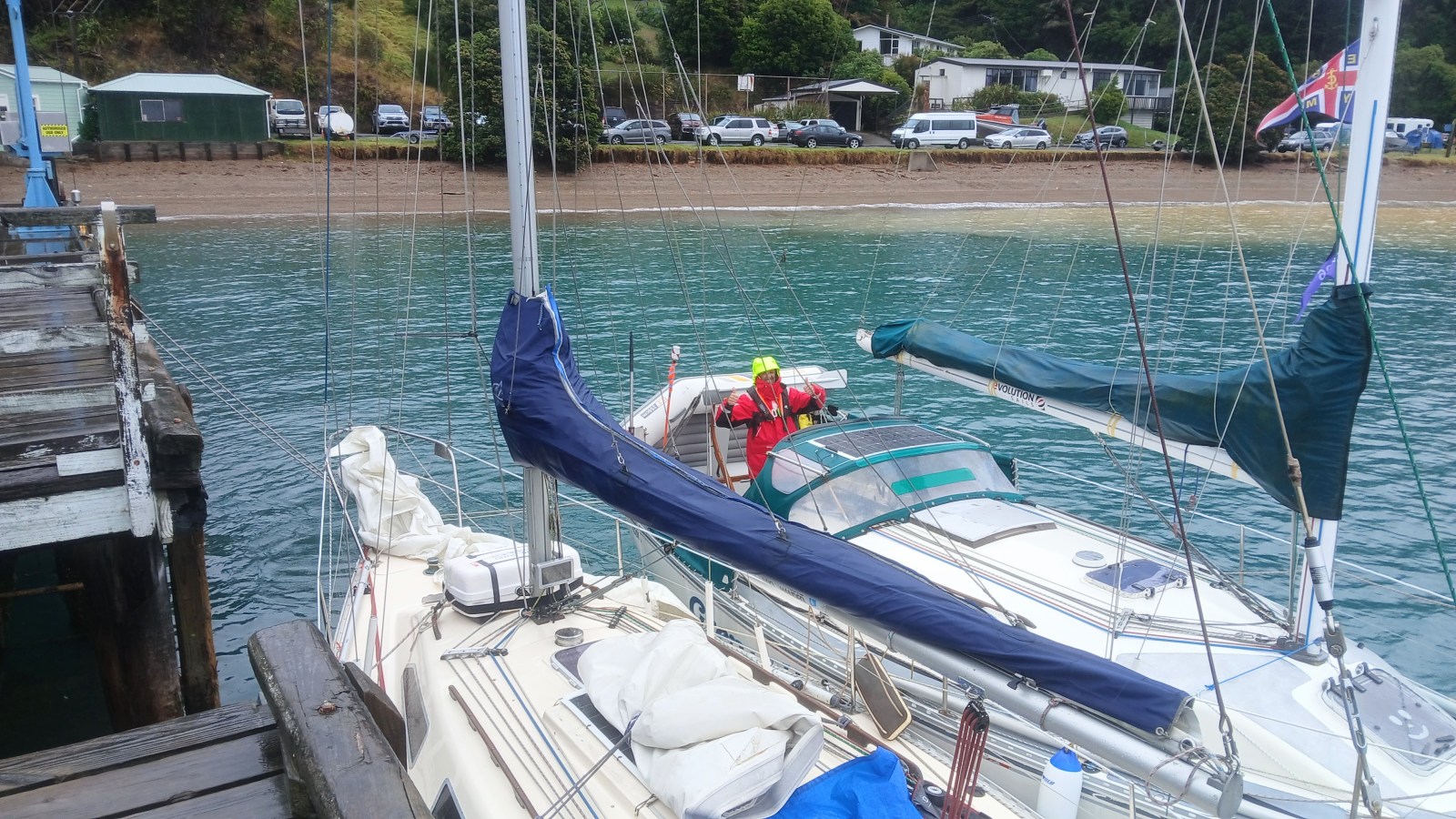
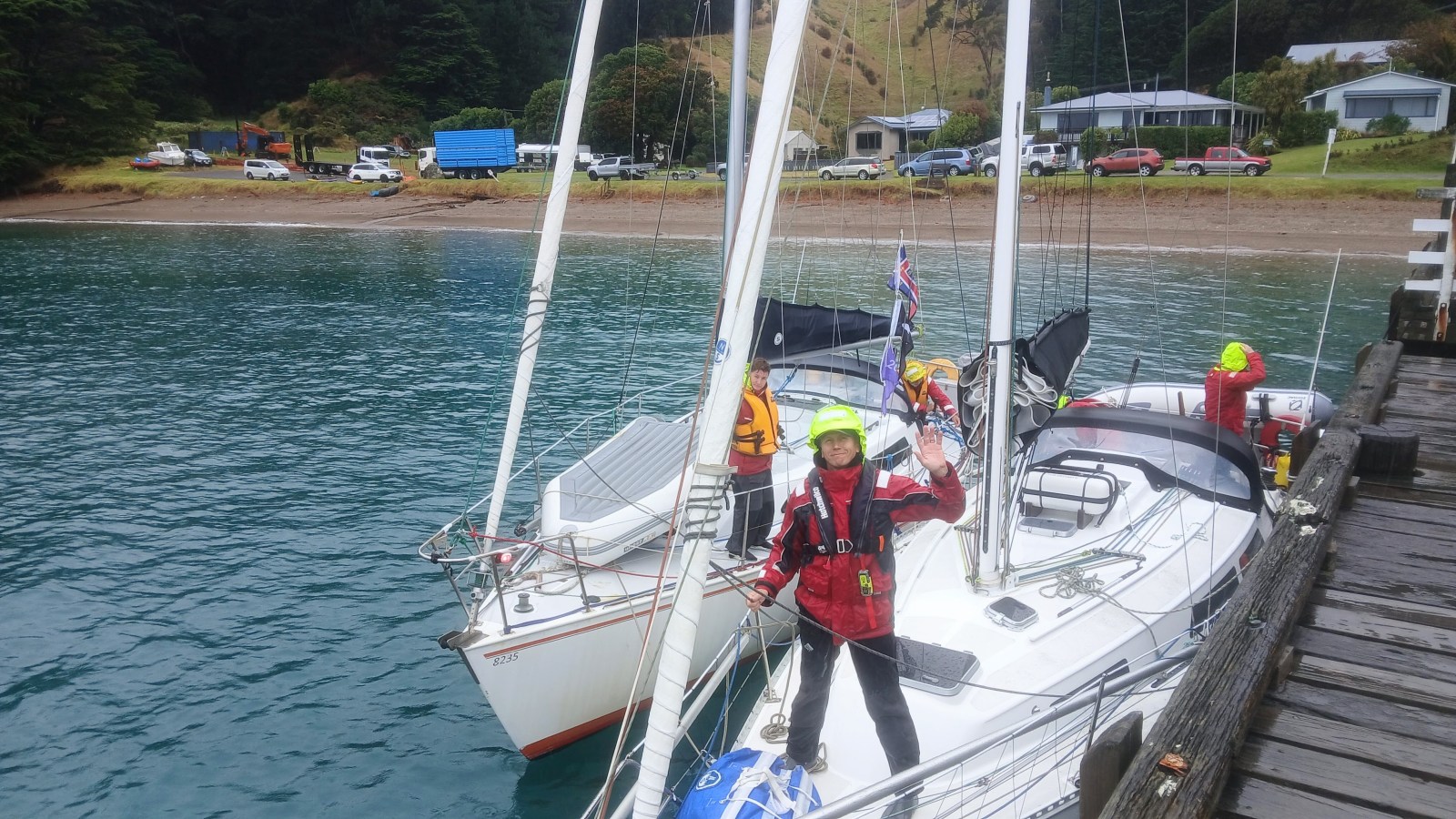
After a wander through the village and up toward Collinet Point to observe the tidal flow in French Pass, we returned to the boats and prepared for the transit.
The tide hadn’t quite turned when we entered the pass at 1158 hrs, but the crossing was uneventful, motoring against about one knot of current.
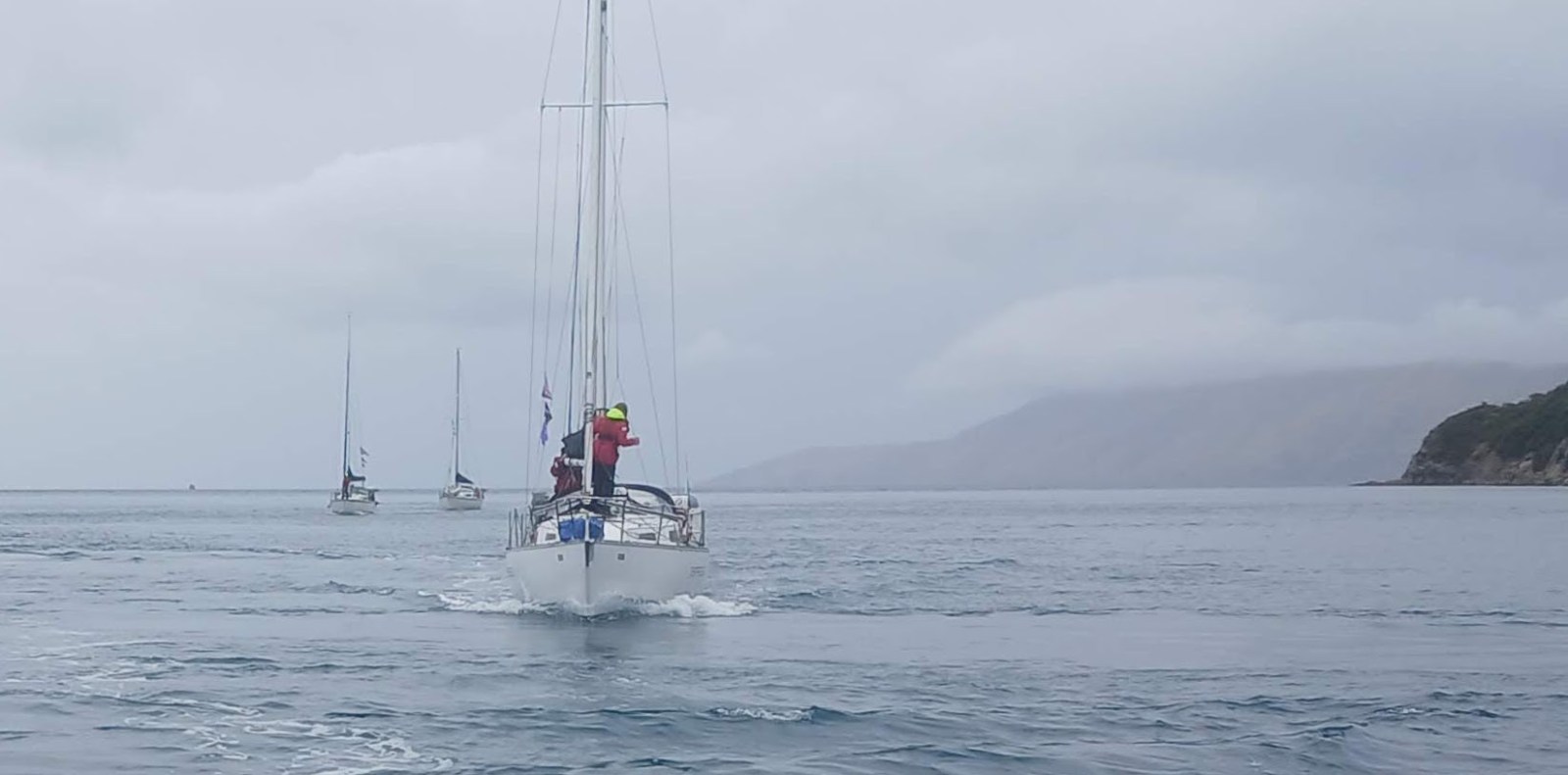
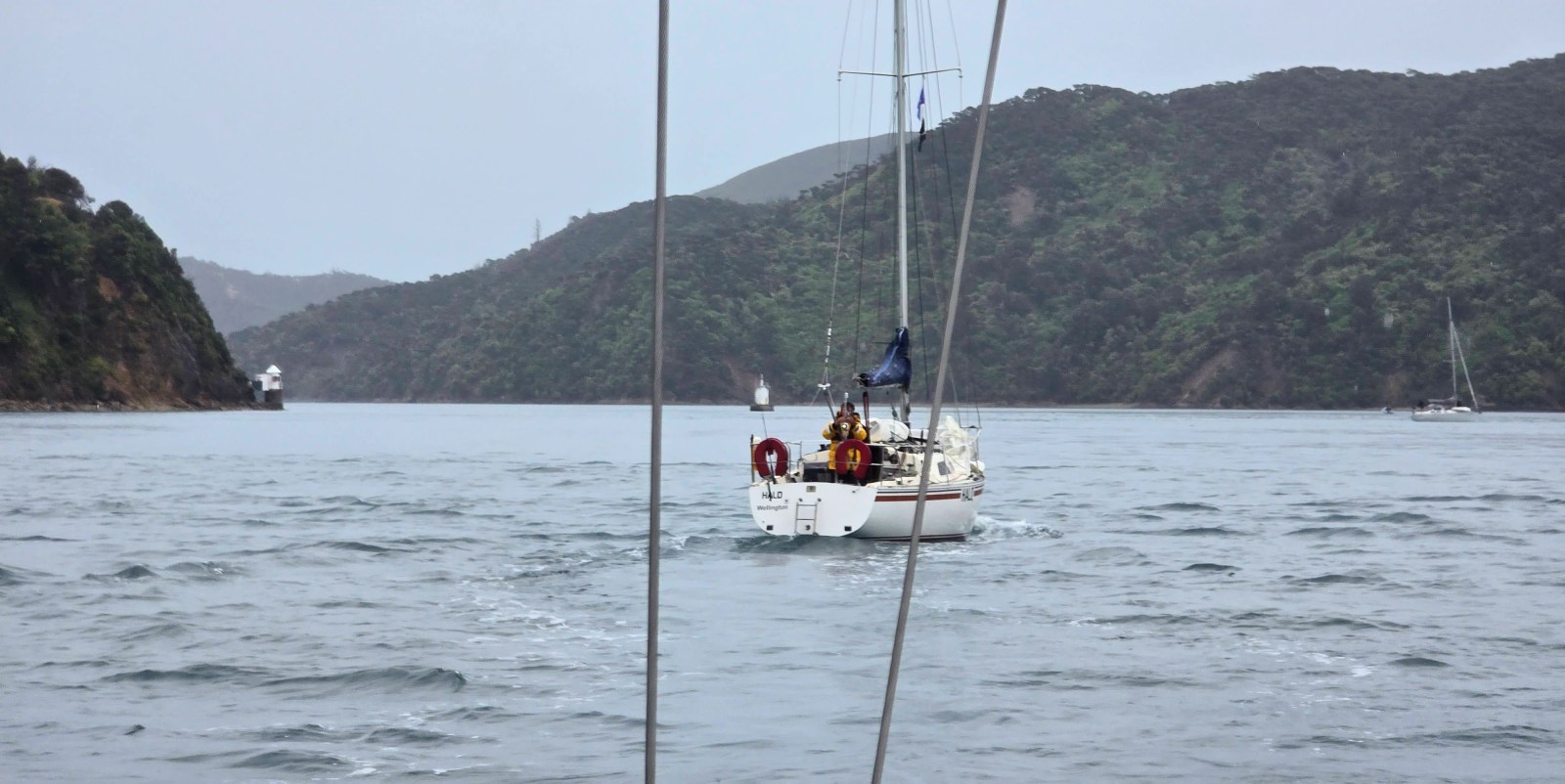
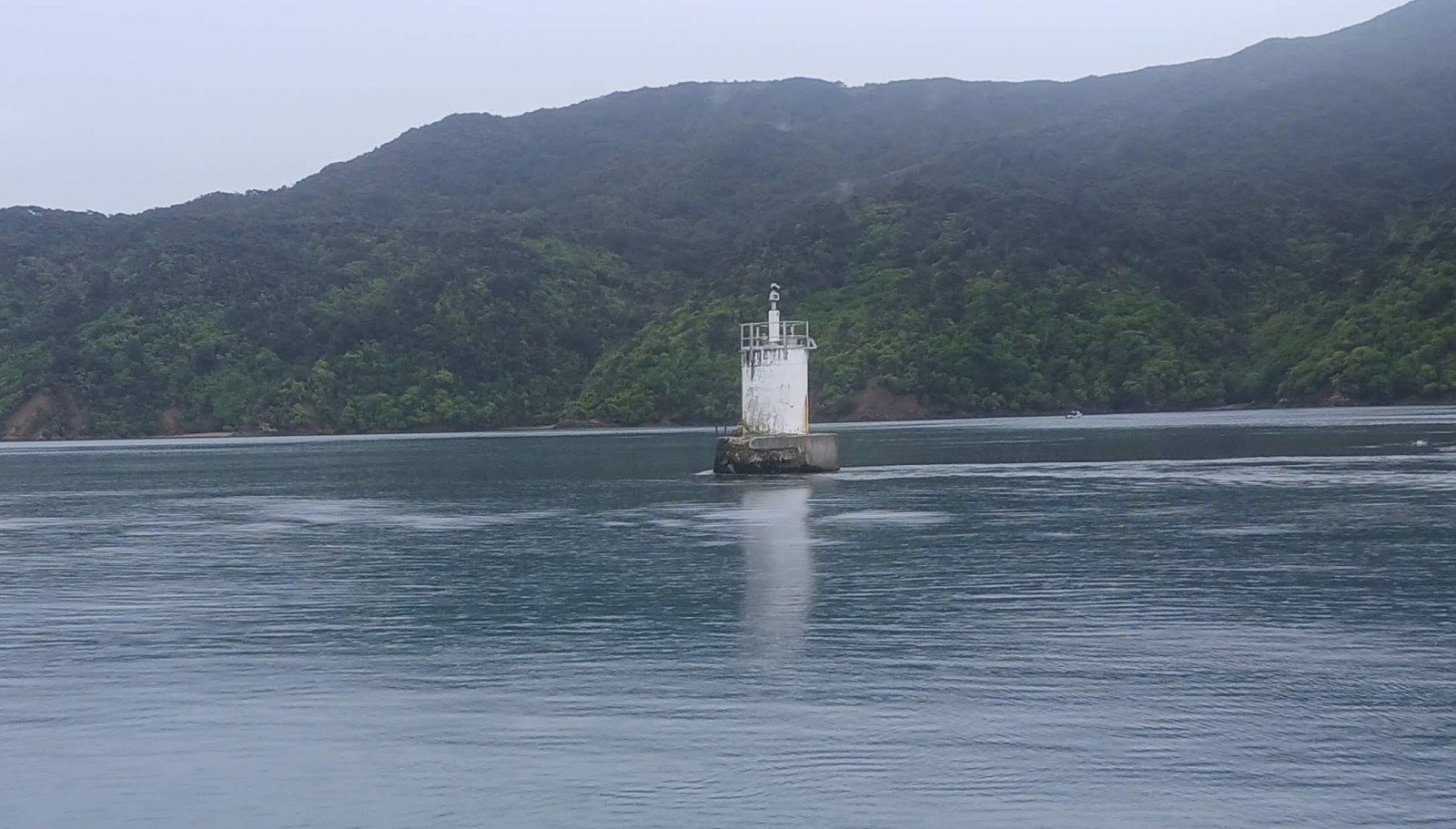
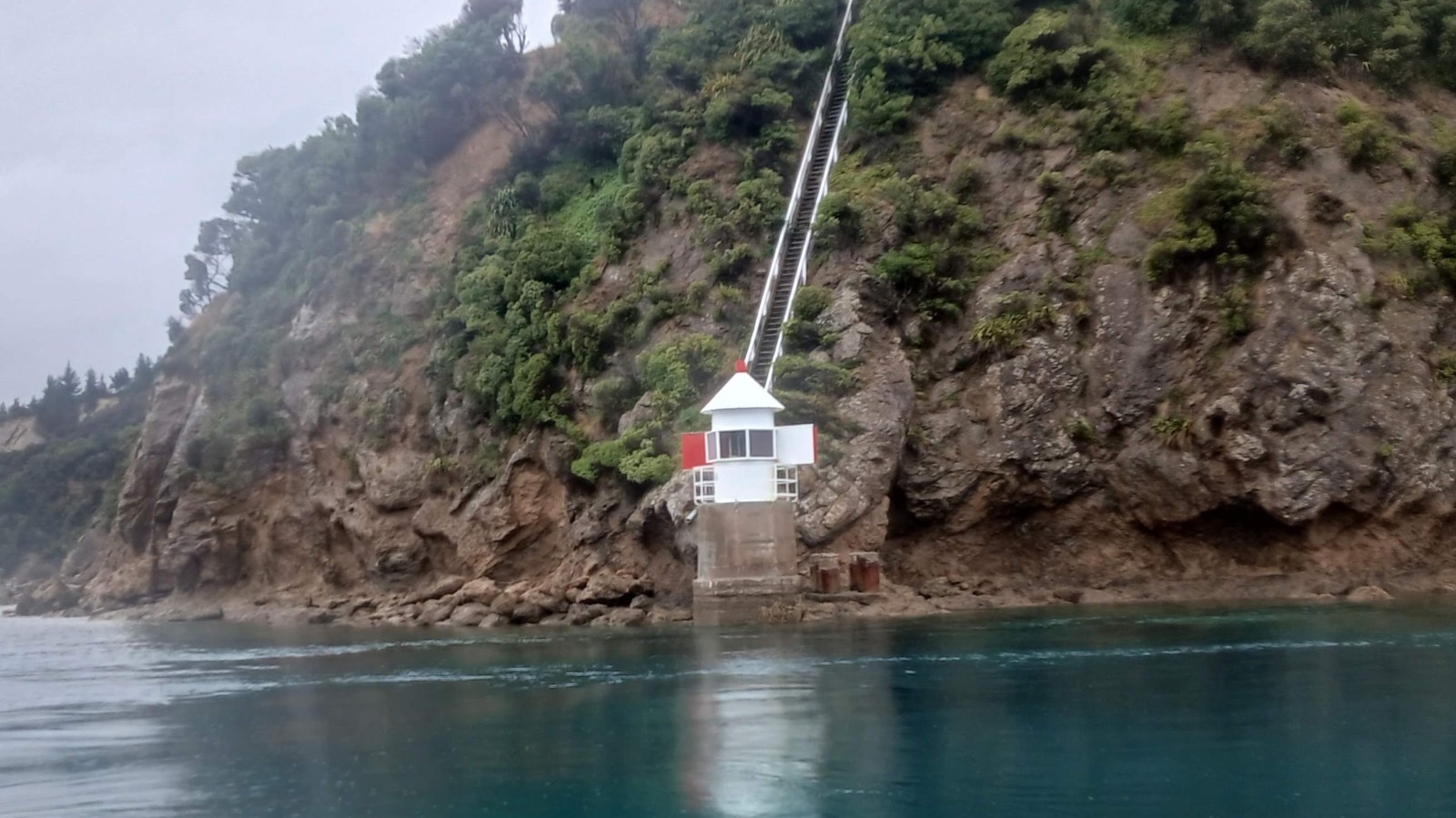
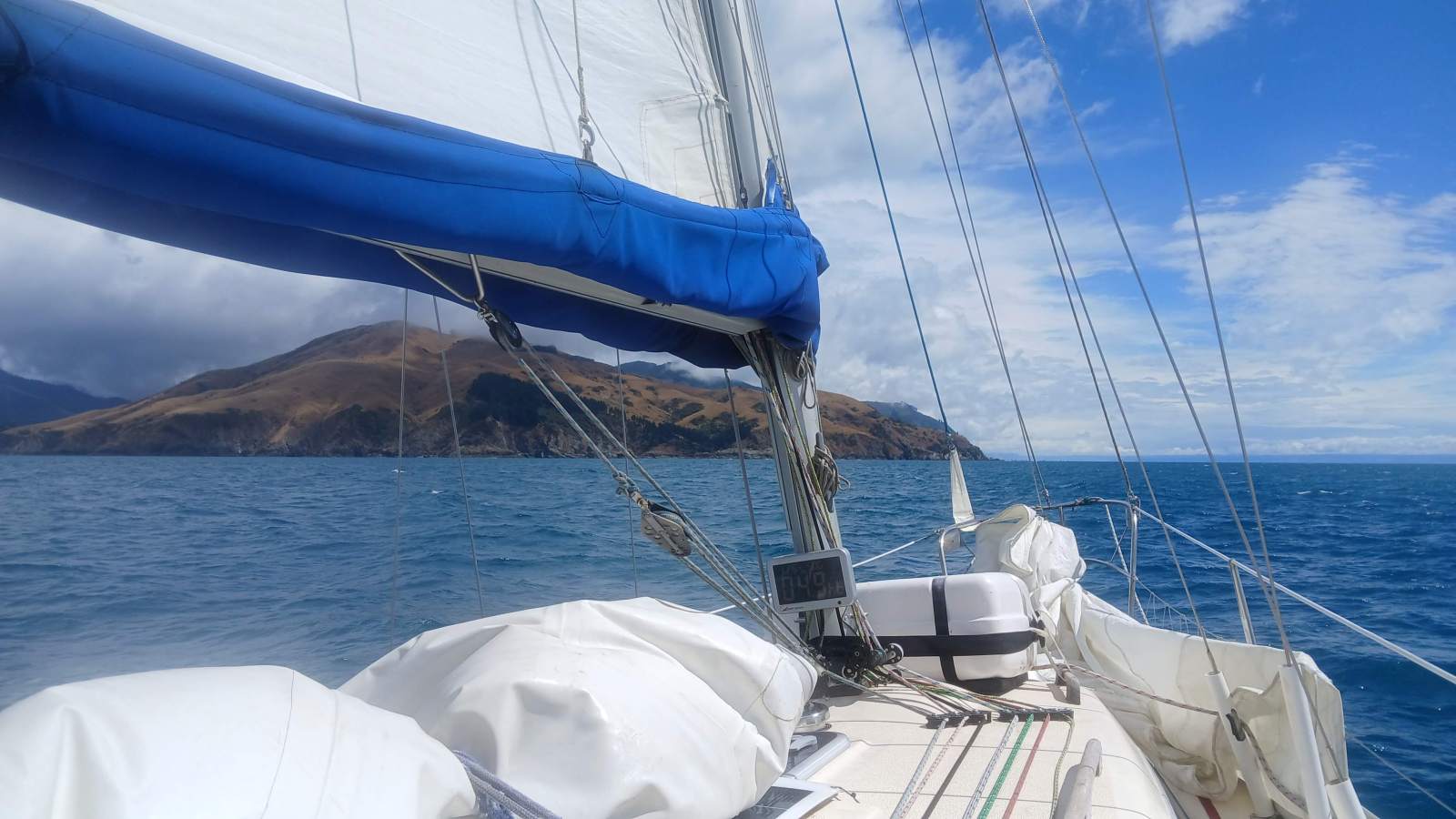
From there it was a 6.5-hour push across Tasman Bay to Nelson. Variable winds kept us busy, alternating between sailing and motor-sailing past Croisilles Harbour.
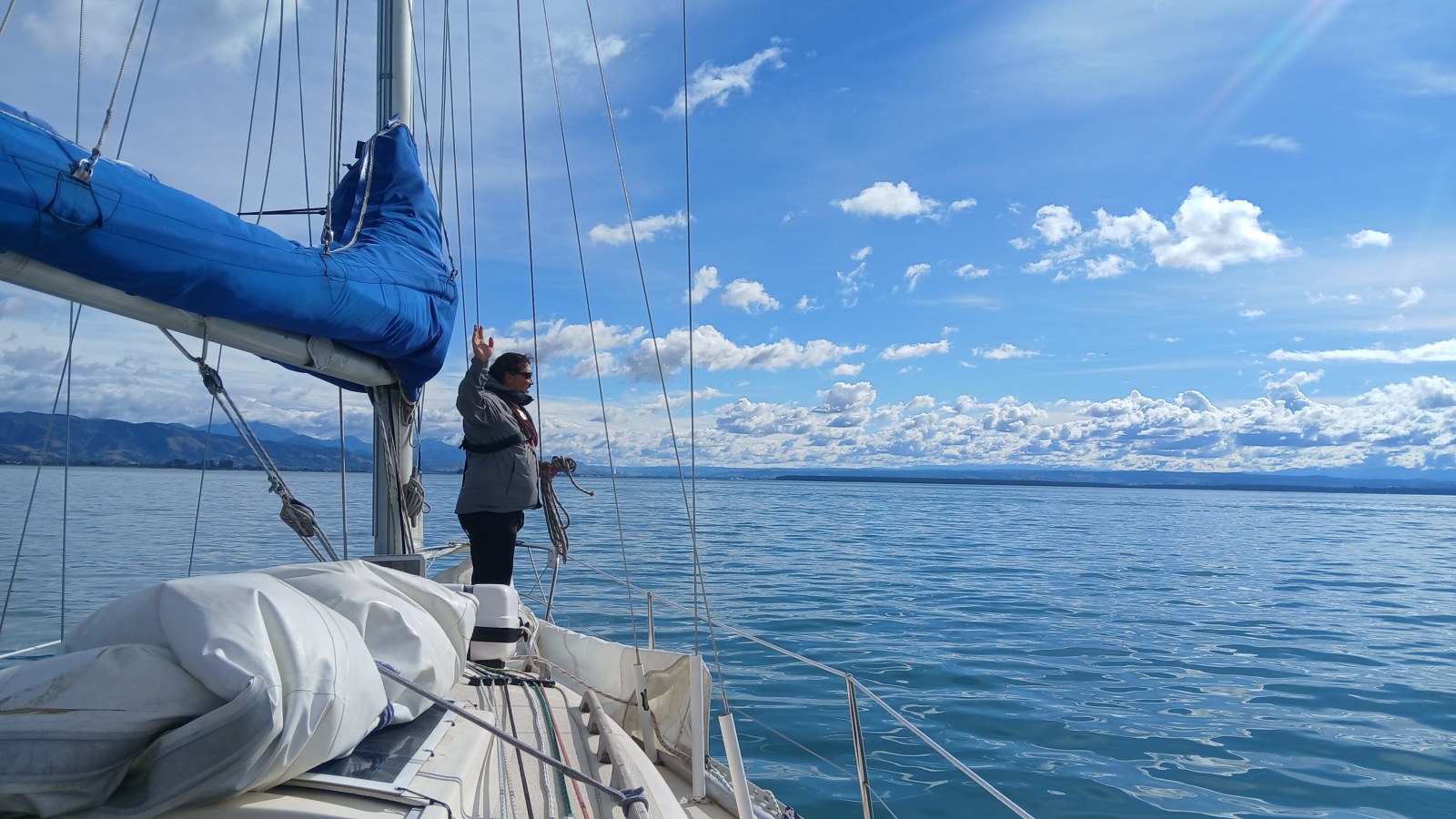
As we neared Pepin Island, the clouds cleared, revealing a brilliant sunny afternoon — a perfect backdrop for our triumphant arrival into Nelson Marina at 1837 hrs.
 Halo Log Book